We realised by mid 2025 that the network experiences at U-CAN shaped our core team and the way we started to (re)think about cities. One particular idea has stayed with me from an essay I read on the eight principles of regenerative systems, that what is good for one must also be good for all. For U-CAN, this meant acknowledging that while the network might not help to fulfill all organisations’ goals, doing what is good for the ecosystem will still benefit all organisations that are part of the network in ways that may not be visible immediately, yet will bear fruit in the long run.
Committing to conversations around livelihoods and the informal economy, for example, will also strengthen the work of organisations working in gender or climate change. That is because urban issues overlap and intersect, and cannot be easily separated. As writer and activist Audre Lorde put it, “there are no single issue struggles because we do not lead single issue lives”. Urban systems are a great example of regenerative systems that play out through multiple issues and have to represent a multitude of lives and livelihoods meaningfully.
2025 also frequently brought us back to the question of relationships: with people, with place, and with the living systems cities sit within. The moments that stayed with our team weren’t the most obviously polished ones, rather they were often slower and messier, such as conversations that took time, sessions that shifted course, instances where listening changed what we thought we were there to do.
As a consequence, we became more attentive to how ideas, resources, trust, and learning flow across the network. When these circulated openly, the work naturally spoke for itself and when they didn’t, even well-intentioned efforts stalled. Our Annual Forum exemplified the belief that networks aren’t just collections of projects, they’re living infrastructure that only works when it’s tended to.
The hardest lesson, for me, was about balance. Moving faster for the sake of getting work done, ironically thinned the work. Collective thought and action require patience and persistence in the face of uncertainty, in order to see progress. When we slowed down and stayed with uncertainty a little longer, trust was being built and positively impacting outputs.
Looking back across the past two years, a rough rhythm becomes visible: while 2024 was about building stability and developing a shared code of conduct, 2025 opened up space to live and practice that code, in order to open up new possibilities . As we move through 2026, we hope to focus more intensely and commit to what truly matters; convening safe spaces for collaboration, championing key policy reforms and communicating the need for more resources to our Tier II and Tier III cities to all stakeholders.
As a result of these shifts, we have rethought how we share what we learn and notice to a broader audience. To make our communications more purposeful and useful, we are splitting our newsletter into two streams:
1. Urban Brief (ecosystem-facing) flags trends, research, and opportunities worth paying attention to, for the broader urban ecosystem.
2. Member Lens (member-facing) focuses on reflection, learning, and what the network is collectively leaning into; a space for shared identity, insight, and dialogue within the membership.
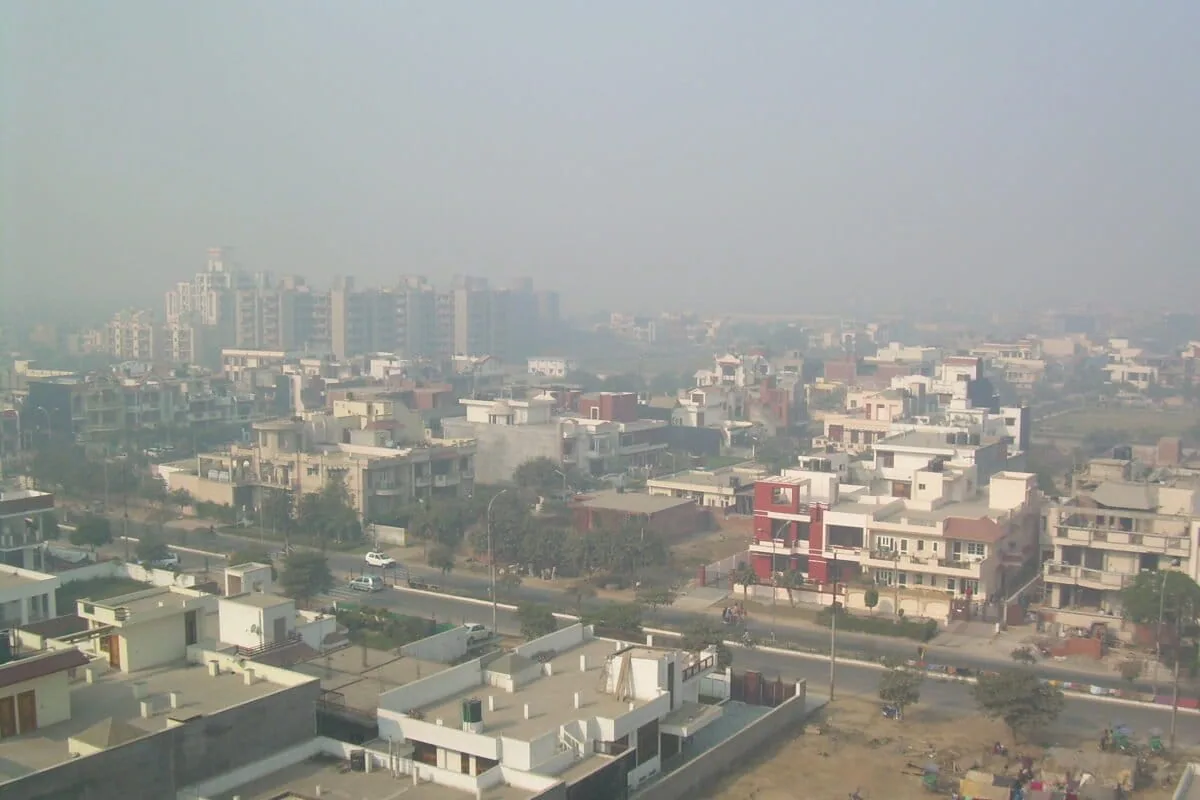
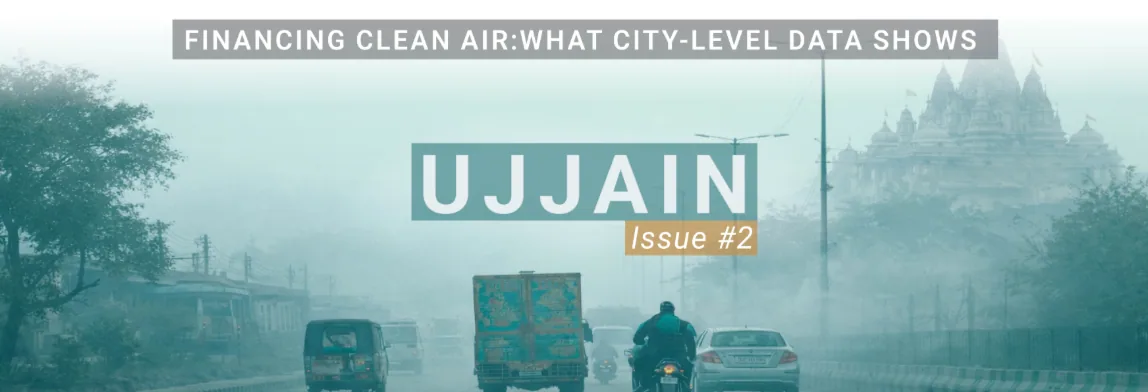
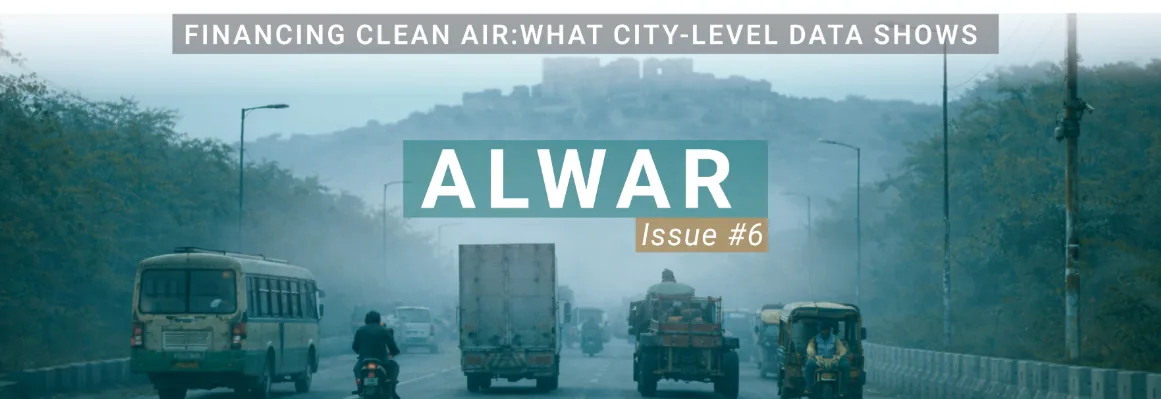
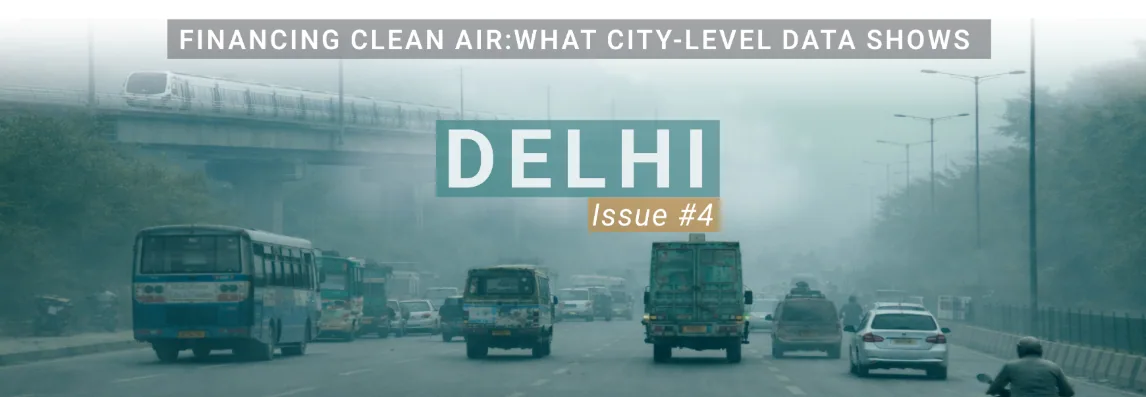
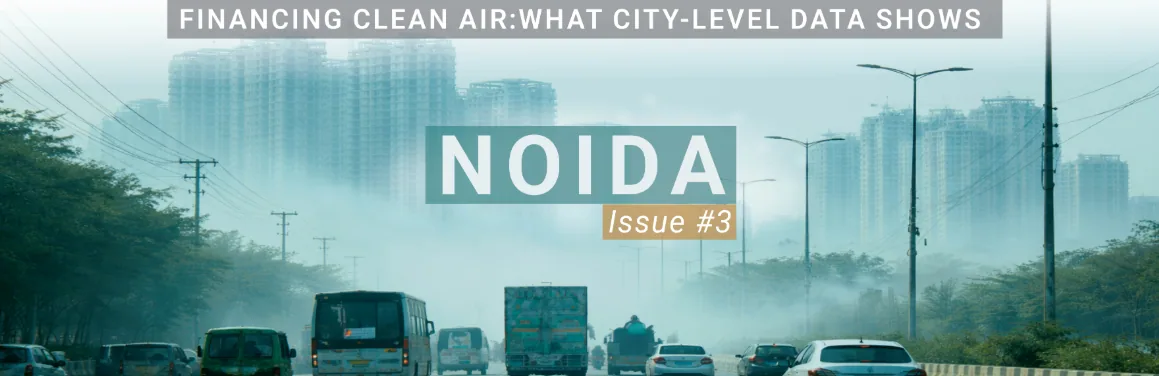
This month, we turn our attention to air pollution, a challenge that affects every city and town in India. We chose it because it illustrates precisely why networks matter: the data, lived experience, and policy landscape all point to urgent action, but solutions require collaboration across sectors and institutions, which remains the more difficult, uncertain path that we are committing to stay on.
Siddharth Pandit
CEO, Urban Collective Action Network · On behalf of U-CAN