Increased learning opportunities and knowledge exchange across mid-level administration
Through Communities of Learning, spanning 200 officials across 25+ cities in 3 states.
Since 2022, U-CAN has turned individual effort into collective action across India's cities. Here's what that collaboration has produced so far, in numbers, and in the stories behind them.
By the numbers
The proof points
Eight ways the network has changed what's possible for India's cities — in Communities of Learning, fellowships, forums and platforms that carry from one city to the next.
Through Communities of Learning, spanning 200 officials across 25+ cities in 3 states.
Through structured cross-organisational collaboration through the Request for Collaboration (RFC) initiative. The platform is now being implemented in 3 Indian cities and Nairobi, Kenya.
Through 10+ City Mixers, connecting 500+ practitioners, researchers, funders, communicators, and community leaders across sectors to increase understanding of urban systems.
I truly enjoyed the U-CAN mixer at the WRI Delhi office, the format felt refreshing, focusing less on project presentations and more on personal journeys and what inspires our work.
4 podcast episodes, 10+ webinars and 30+ newsletters reaching an audience of 15,000+.
With the U-CAN Women's Fellowship, supporting 6 professionals and 2 entrepreneurs through embedded practice and mentorship. Projects spanned a rainwater harvesting calculator piloted in Gurugram, ward-level climate action plans in Bengaluru, and redesigning public spaces in Jaipur and Chennai.
The U-CAN Fellowship became a transformative space to deepen this pursuit, through hands-on work with host organisations, writing blogs, and co-developing solutions that strengthened my understanding of data-driven and participatory approaches to urban resilience.
Bringing together practitioners, community leaders, and government on a common platform, The U-CAN Annual Forum. Strengthened trust and deepened cross-sector relationships amongst 100+ participants across 20+ organisations.
The Annual Forum was a valuable space for bringing together diverse voices from across the urban ecosystem. It helped us reflect on how national policy priorities connect with the lived realities of cities.
For state-level engagement. Convened teams across 5 organisations in a series of discussions for Uttar Pradesh to align infrastructure-focused planning with community-grounded action.
To increase visibility of organisational work, journeys, practices and futures of 9 organisations to peers and donors.
In their words
Emerging cities today tell us that growth is not something you can design on paper, it's something you build through trust, collaboration, and constant learning. Real change happens when intent, leadership, and citizen energy start to move in the same direction.
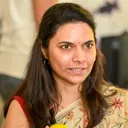
Each organisation in U-CAN has its own story, shaped by years of working in different cities, with different communities and challenges. Yet, through this collective, those stories connect, revealing patterns, shared struggles, and possibilities that none of us could see alone.

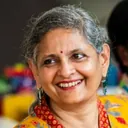
It is extremely useful to hear from the other members and their state teams who have been working in Uttar Pradesh for years. As a new entrant in the state, we learnt how the state machinery functions, how officials perceive us and what we need to do for them to value our work, thereby shortening our learning curve.
We use only essential cookies to make this site work. With your consent we would also measure anonymous usage to improve it. You can change this at any time from “Manage cookies” in the footer.