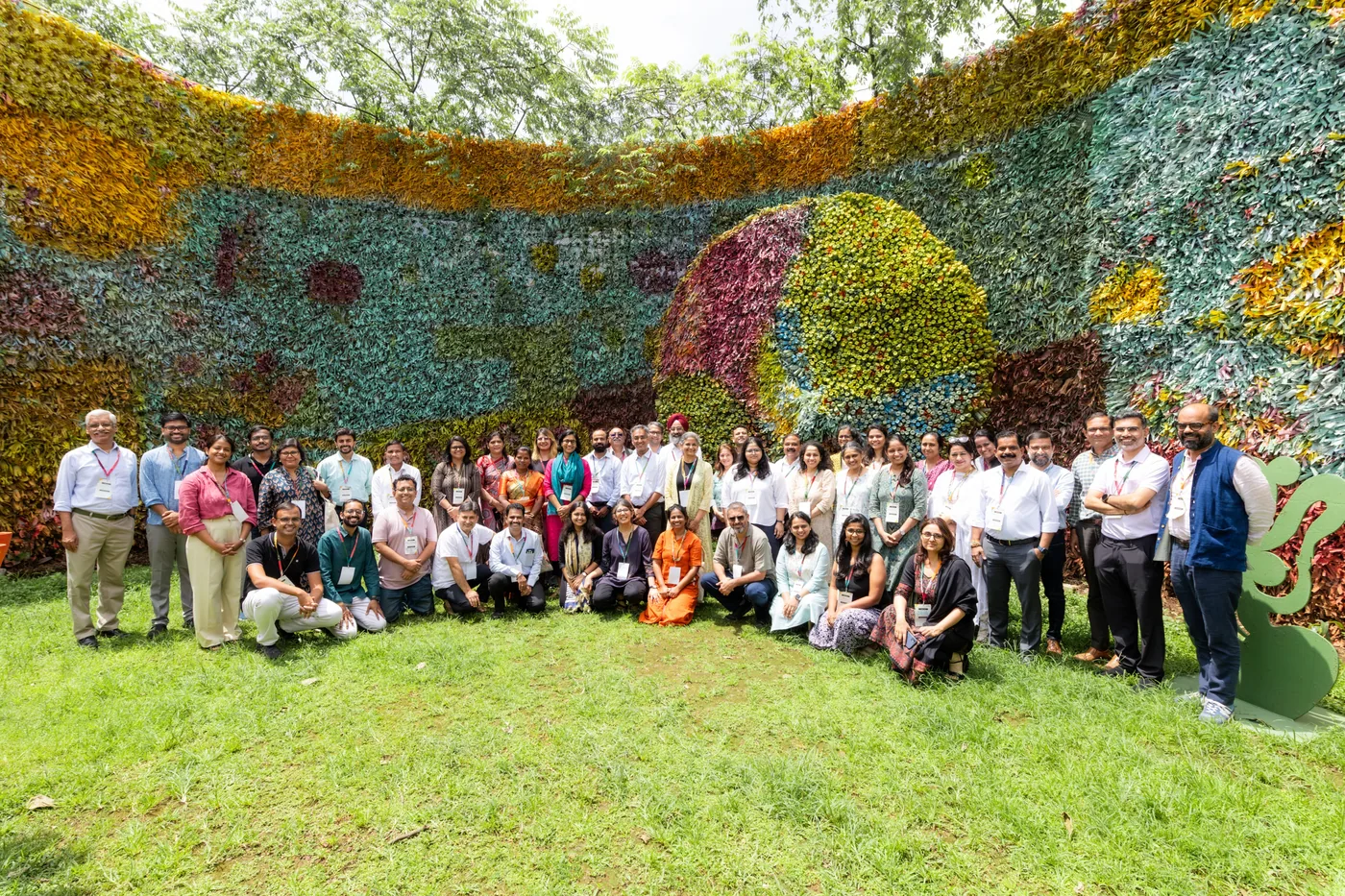
Our U-CAN Annual Forum wrapped up in Goa, and we are now taking in the thoughtful feedback participants continue to share.
September 2025
Editor's Note
Our U-CAN Annual Forum wrapped up in Goa, and we are now taking in the thoughtful feedback participants continue to share. Their reflections echo what we experienced at the Forum: that people, despite coming from different cities, roles, and backgrounds, are eager to understand one another, share what works, and explore how ideas can move into action. This spirit of collective growth and collaboration is fueled by curiosity, conversations, and trust-building among everyone working tirelessly in this sector. Our Annual Forum, and every U-CAN convening, is designed to nurture exactly that.
We saw this same spirit play out again at a recent discussion with G. Mathi Vathanan, co-hosted by U-CAN and eGov Foundation on Unlocking India’s Urban Future. He spoke about Odisha’s Sustainable Urban Services in a Jiffy (SUJOG) journey not as a blueprint, but as lived experience, shaped by institutional shifts, political complexity, and quiet turning points. Listening to him, and later to the lively panel led by our member-organisation leaders, was a reminder that learning happens when people share openly, challenge assumptions, and reflect together. It also underscored the impact that a committed public administrator can bring, with imagination, perseverance, and the trust of colleagues and communities.
Learning and collaboration are social by nature. They grow when people come together to share, reflect, and translate ideas into action. The Forum’s energy doesn’t end in one city or over three days; it lives on in every conversation, report, and gathering where curiosity, engagement, and collective learning take center stage.
Siddharth Pandit
CEO, Urban Collective Action Network · On behalf of U-CAN
Updates from the Secretariat
Annual Forum 2025: Building Collective Momentum
The first-ever U-CAN Annual Forum, held in Goa from 21–23 August, brought together 70+ stakeholders in the urban ecosystem from across India. Over three days, the Forum became more than an event - it was a space to explore, exchange, and co-create solutions for India’s cities.
reflection. Unlike formal conference halls, the museum’s open galleries and immersive exhibits encouraged participants to move, observe, and engage with both the space and each other. The environment itself became a reminder that urban conversations are not only about policies or frameworks; they are also about the places we inhabit, the culture that shapes them, and the connections between spaces and people.
To further ground the Forum’s conversations in lived realities, participants stepped outside the venue and into the city itself. In partnership with Transitions Research, a Goa-based organisation, immersive field visits were designed to bridge the often wide gap between policy and practice by engaging directly with local change-makers and communities. For the local partners too, it was a unique request; to design city immersions for a conference, in a setting where participants rarely venture beyond the hotel. These on-the-ground encounters reminded participants that urban transformation is about people, places, and relationships that shape how change unfolds. This framing carried forward into the Forum’s learnings, where questions of context, participation, and collaboration remained central.
The Forum also featured the “Stories from the City” session, curated with support from the Charles Correa Foundation, also based in Goa, which screened five short films from the Nagari Short Films initiative. Two directors, Archanaa Seker and Amit Rathee, joined in person to lead conversations on urban storytelling, the intersections of policy and art, and the ethics of whose voices are amplified. Together with the museum setting, these experiences underscored that urban debates are most meaningful when grounded in place, culture, and narrative.
Building Connections Across Cities and Disciplines
Beyond sessions, the Forum’s true energy came from informal conversations and shared experiences. Shark Tank pitches challenged participants to think creatively, while meals, field visits, and discussions fostered new relationships across hierarchies. Directors, CEOs, and young associates alike found common ground, discovering inspiration to experiment in their own work.
These exchanges underscored a larger truth: the urban sector will only thrive if participants take lessons from one another and weave them into their own practice, turning shared inspiration into concrete action.
Learnings and Next Steps
The Forum offered learnings at multiple levels - individual, organisational, collective, and even for the broader urban ecosystem.
For U-CAN as a team: Taking risks in conference programming can leave lasting impressions.
Hosting the convening in Goa during the monsoon, experimenting with a museum venue, collaborating with local organisations, and inviting beneficiaries to join were all purposeful risks that stretched the collective’s imagination. Curating a small, intentional group and embedding participation in every session also showed the power of an alternative model of convening.
For the collective: The Forum became an entry point for many new participants, from community leaders to external organisations, whose active involvement reflected U-CAN’s growing resonance. Beneficiaries spoke candidly about their experiences and connected with the work of others, reminding us of the value of creating spaces where first-time voices feel welcomed.
For the ecosystem: Seeds of collaboration were planted; filmmakers were invited to new cities, potential members expressed interest in joining, and organisations explored joint research and programme ideas. Just as importantly, the Forum highlighted that the ecosystem only grows stronger when organisations integrate one another’s insights into their own work, creating a cycle of shared learning and collective progress.
Together, these experiences encourage us to keep experimenting with design, take thoughtful risks, and embed participation and reflection into future convenings, ensuring that the Forum remains a living network of people and ideas.
Explore the Forum
Insights from the Annual Forum, titled, “Collective learning in action: Cities. People. Practice, Together.” and photo galleries are now available on our website, capturing the vibrancy and creativity of the three days. A wrap-up video highlights key moments, conversations, and reflections from participants.
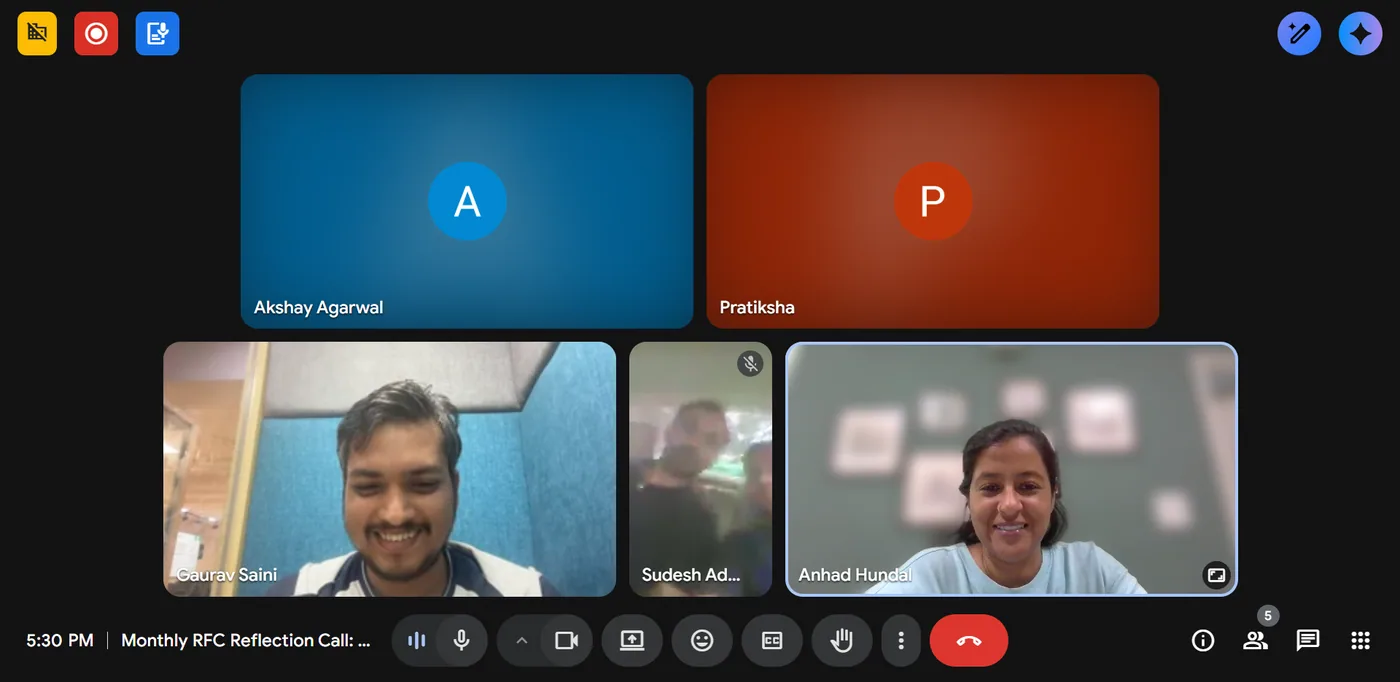
As part of the Requests for Collaboration (RFC) initiative, we’ve been holding regular calls with the collaborative team from eGov Foundation and Praja Foundation. At first, these were meant as simple check-ins. But they’ve quickly grown into something more meaningful.
Why this matters: These conversations are showing us what’s possible when teams don’t just report progress but pause to reflect together. They’re becoming spaces of peer learning, exchange, and practical problem-solving.
This means:
Teams aren’t working in isolation, rather building on each other’s knowledge.
Challenges are surfaced early and met with diverse perspectives that make them richer.
New collaborations are emerging beyond the original projects.
What we’re taking away:
Peer calls create a shared accountability loop that strengthens projects.
The value of the RFC process isn’t just in the funding, but in the network of support that comes with it.
These learnings will inform how we design future RFCs, ensuring they remain not just opportunities for funding for experiments and ideas, but also for collective growth.
If you’ve worked on experiments like these or have thoughts on how we might capture such journeys better, we’d love to learn from you!
A new World Bank report, Towards Resilient and Prosperous Cities in India (prepared with the Ministry of Housing and Urban Affairs), underscores both the promise and the peril. With 70% of new jobs expected to come from cities by 2030, urban areas will be the backbone of the country’s economic future. But without urgent adaptation, they risk devastating losses from climate shocks.
The big picture:
India’s cities are expanding at an unprecedented pace:
By 2050, the urban population will nearly double to 951 million.
Meeting that demand will require 144 million new homes by 2070.
City centers are already heating up, registering 3–4°C hotter than surrounding regions.
Rapid construction is shrinking natural drainage, heightening flood risks.
Why it matters:
The human and economic costs of inaction are staggering:
Up to $5 billion in flood-related losses could be avoided annually by 2030 with timely adaptation.
By 2070, the avoided losses climb to $30 billion.
More than 130,000 lives could be saved from extreme heat impacts by 2050.
So, what can cities do? The window of opportunity is still open. With more than half of 2050’s urban infrastructure yet to be built, choices made today will determine whether cities become engines of resilience or hotspots of vulnerability. The report urges:
Tackling extreme heat and floods through better stormwater regulation, green spaces, cool roofs, and robust early warning systems.
Investing in resilient infrastructure, from energy-efficient housing to flood-resilient transport and modern waste systems.
Expanding access to urban finance, with private players helping to meet the projected $2.4 trillion needed by 2050.
India’s cities are not only sites of risk; they are also sites of possibility. By building resilience into the very foundations of growth, cities can safeguard lives, attract investment, and ensure prosperity for millions in the decades ahead.
“Real reform is when the law changes, the money moves, and the citizen sees the difference, without knowing what software you used.”
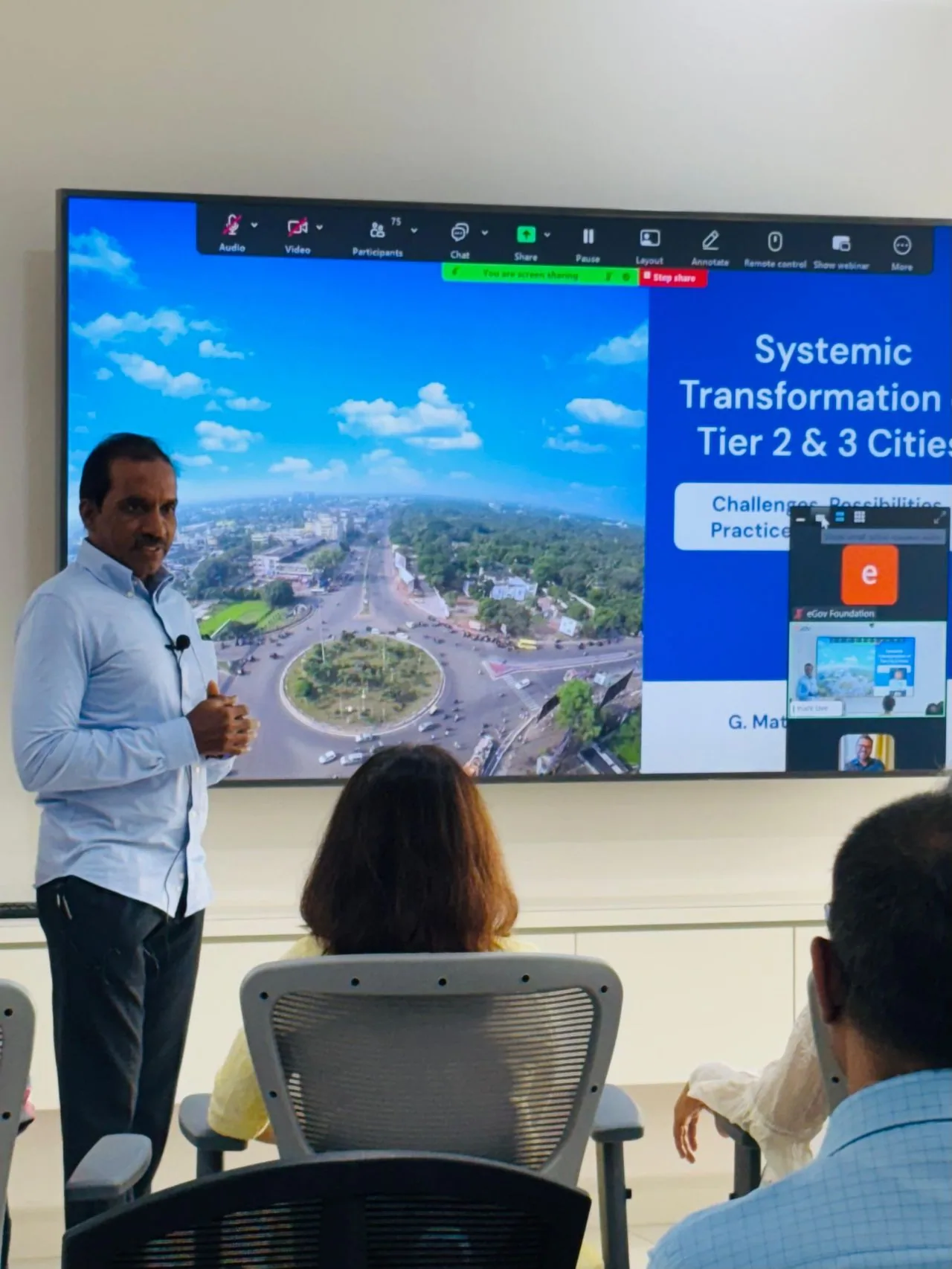
With that line, G Mathi Vathanan had the room hooked. Co-organized by U-CAN and eGov Foundation, the session Unlocking India’s Urban Future brought together a full house to reflect on how tier 2 and 3 cities can drive inclusive, resilient growth.
Mr Vathanan, former Additional Chief Secretary, HUDD Odisha and now Director General of the Gopabandhu Academy of Administration, walked us through Odisha’s SUJOG journey. Not as a model, but as lived reform: institutional shifts, political complexity, and the courage it takes to lead change from within.
What stood out most was his clarity on where change really happens:
In communities, who are trained and trusted as 'Jal Saathis', creating both livelihoods and local ownership of urban services.
In the state, which can reimagine governance by cutting red tape (water connections in Odisha now need 2 documents, not 14) and embedding capacity through the Odisha Urban Academy.
In the ecosystem, where networks of donors, experts, and practitioners make ambitious reforms possible; the very principle U-CAN was founded on.
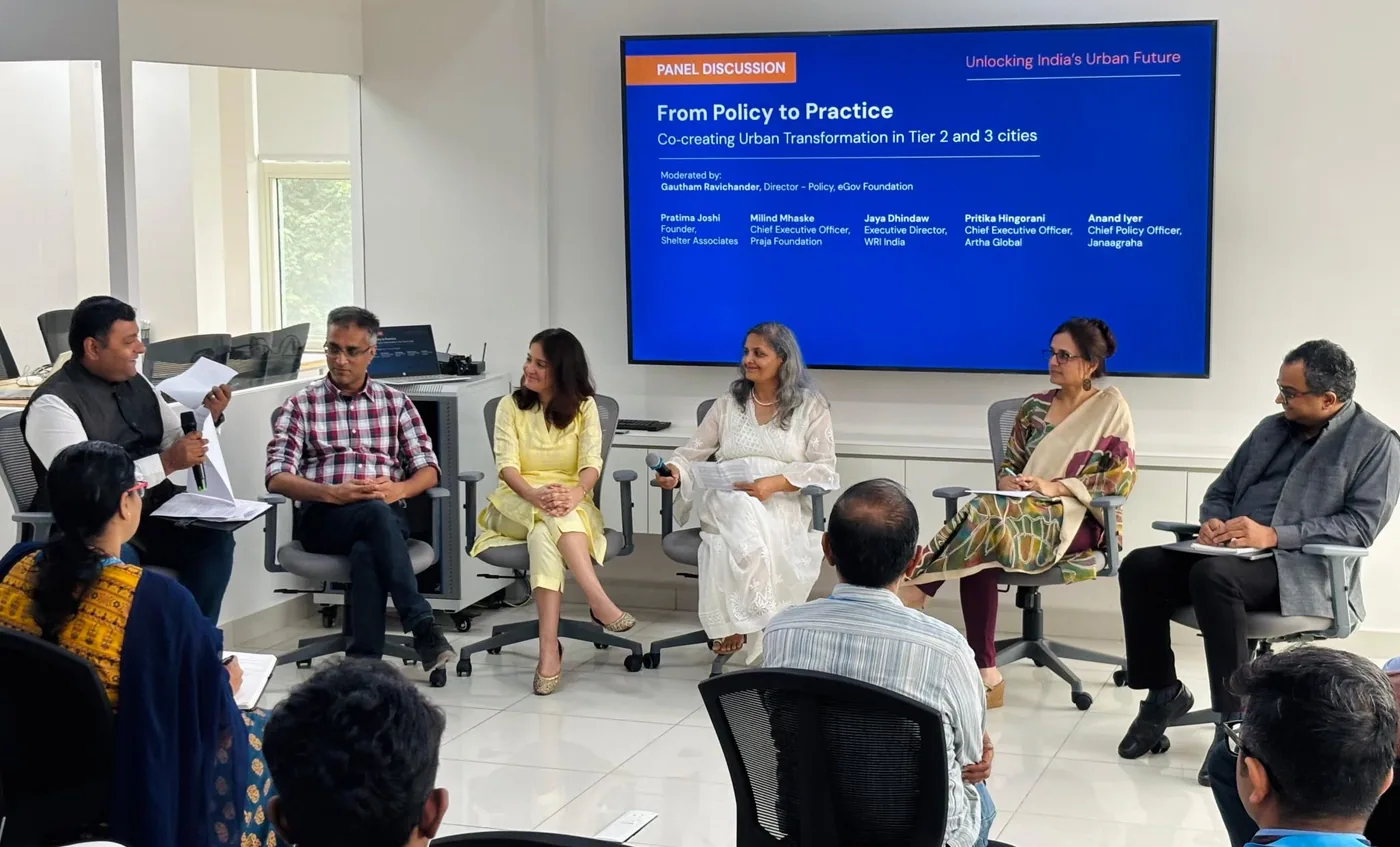
The session closed with a dynamic panel - Milind Mhaske, Jaya Dhindaw, Pritika Hingorani, Pratima Joshi, and Anand Iyer in conversation with Gautham Ravichander - on what inclusive transformation could look like for India’s smaller cities.
For U-CAN, partnering with eGov Foundation on this session was a reminder of why we exist: to connect practice, policy, and people into collective action for urban change.
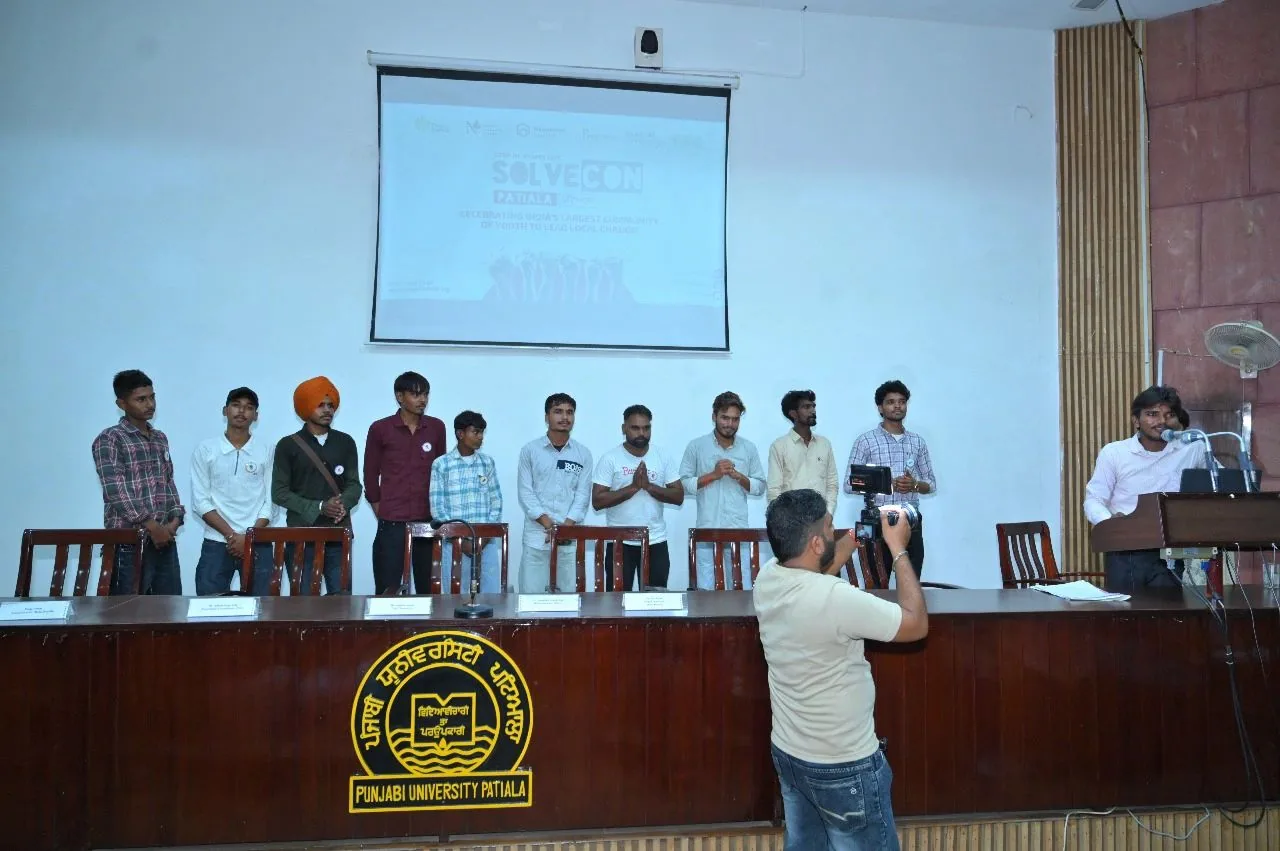
SolveCon Patiala: Small Plan, Big Turnout, Lasting Change
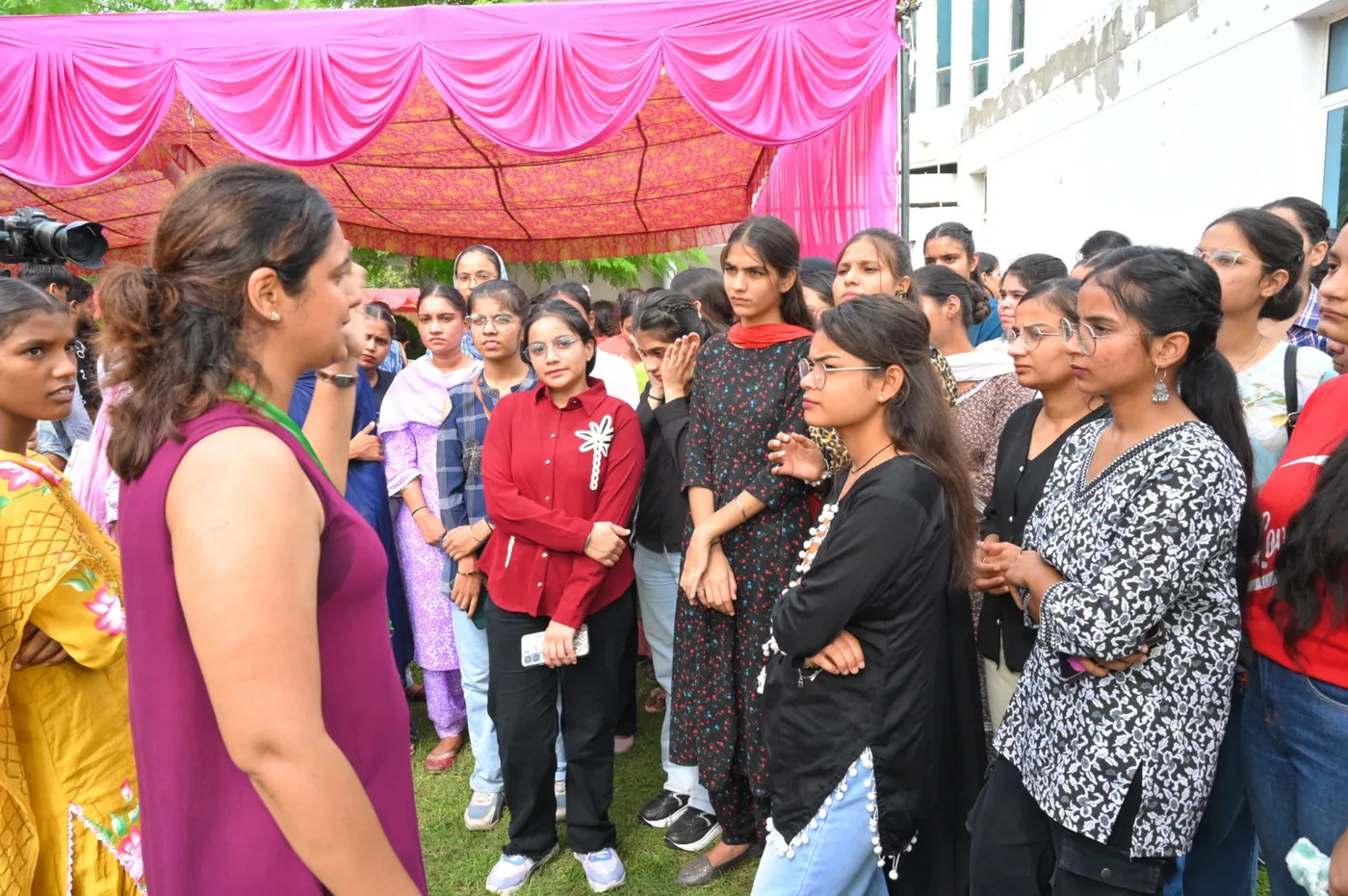
At Punjabi University, Patiala, Reap Benefit’s ninth SolveCon turned into something bigger than expected; nearly 600 young people showed up for a day of ideas, collaboration, and action. The event confirmed what earlier SolveCons in Bangalore and Jalandhar had hinted at: youth in emerging cities are not just interested in civic action, they’re ready to lead it.
The energy played out across three hubs:
Learning Mela – a hands-on carnival of ideas, led entirely by Reap Benefit’s own “Ninjas.”
Solver Jam Sessions – guided workshops tackling real-world urban challenges with creativity and teamwork.
Changemaker Adda – stories of resilience and innovation that left peers inspired to step up.
The takeaway? Puja Singh, Senior Project Manager for SolveCon at Reap Benefit, put it best:
“At Patiala, Ninjas from last year’s SolveCon in Jalandhar hosted a session on AI, while the Learning Mela was led entirely by Ninjas. For us, that’s the biggest and best example of sustainability - skill-based learning and leadership passing from one cohort to the next.”
That spirit of continuity is already showing results. Nearly 40–50 participants have signed up to become Ninjas themselves, ensuring the SolveCon cycle of learning, leadership, and community action keeps growing.
Institutions, not technology, will shape India’s urban future
As India’s cities expand and more households plug in air-conditioners and electric vehicles, the pressure on our electricity grid is mounting. Will this future be chaotic or climate-friendly?
That’s the question Dr. Partha Mukhopadhyay, Senior Fellow at the Centre for Policy Research, tackles in his chapter, The Modern City: Electric, Smart, and Green in the India
Infrastructure Report 2024.
The chapter is organised around three themes:
Urban form - how sprawl, densification, and building design shape electricity demand.
Household behaviour - the rapid uptake of air-conditioners and EVs, and their impact on the grid.
Grid management - the challenges of integrating intermittent renewable energy, and the potential of smart meters and AI to balance demand.
Dr. Mukhopadhyay’s conclusion is clear: technology alone won’t save our cities. Practical measures like free buses along transit corridors, mid-rise mixed-use development, and interventions to manage household energy demand could make urban expansion far more climate-friendly. But these solutions depend on institutions that are willing and able to act.
In the end, the fate of India’s cities will be decided less by the gadgets we adopt than by the institutions that govern us.
Women leading local change: Lessons from city councils across India
What does democracy look like in India’s cities? Increasingly, it looks like women are leading from the front.
On International Day of Democracy, observed annually on September 15, Praja Foundation’s 2024 report on the Empowerment of Women Elected Representatives in City Governments - drawing on data from 37 cities across 28 states and 3 union territories - reveals key insights into how women are shaping urban governance:
Representation rising: 15 states and UTs now reserve 50% of council seats for women. In cities like Agartala, Patna, and Vijayawada, women hold over half the seats, well above the constitutional minimum.
Gaps in power: While seats are reserved, leadership roles (Mayor, Deputy Mayor, financial committees) remain largely male-dominated. Only a handful of states ensure women a place at these critical tables.
Speaking up: In several cities, women councillors ask as many, or more, civic questions than men. Their focus? Roads, health, sanitation, waste management, issues that directly shape daily life.
Barriers remain: Proxy representation, patchy attendance, and limited training hold many women back from fulfilling their potential as city leaders.
The way forward?: The report recommends regular capacity-building, stronger representation in committees, and even a Councillor Fellowship to help women councillors research, deliberate, and lead more effectively.
In Bengaluru, citizens waited more than four years for their municipal elections. Delhi saw a seven-month delay, Gurugram nearly two years.
Across India, more than half of urban local bodies have faced similar setbacks. Each delay leaves cities without elected councils, weakening accountability and slowing the everyday decisions that shape how we live.
Janaagraha’s new report, Delays in Urban Local Government Elections in India: Analysis and Reform Pathways, digs into why this keeps happening. The research traces the full lifecycle of local elections and finds the choke points: vague timelines, disempowered State Election Commissions, and political maneuvering around ward boundaries and reservations. Backed by evidence from 82 municipal laws, 13 constitutional court judgments, insights from 12 State Election Commissioners, and a national roundtable of members of parliament, mayors, experts, and civil society leaders, the report calls for bold fixes. Among them: clear legal deadlines, stronger autonomy and resources for State Election Commissions, common electoral rolls, and greater transparency.
Why this matters:
In many cities, elected councils already have short terms; just two and a half years to deliver meaningful change.
Delayed elections shrink this window even further, creating unfair expectations on councillors and mayors who may also face the threat of dismissal before the next polls.
For citizens, the cost is high: without councils, they lose their first line of representation and oversight in city governance.
Timely elections are not just about procedure. They are about ensuring India’s cities are governed by leaders who are directly accountable to the people they serve.
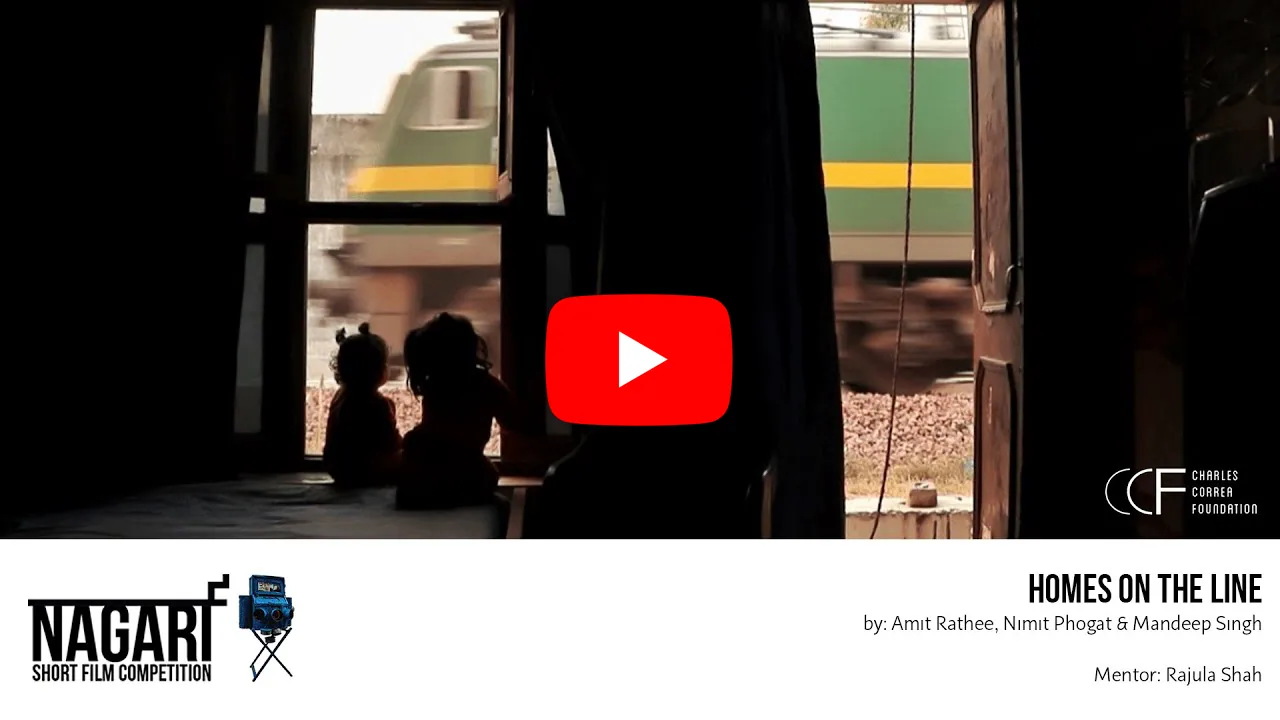
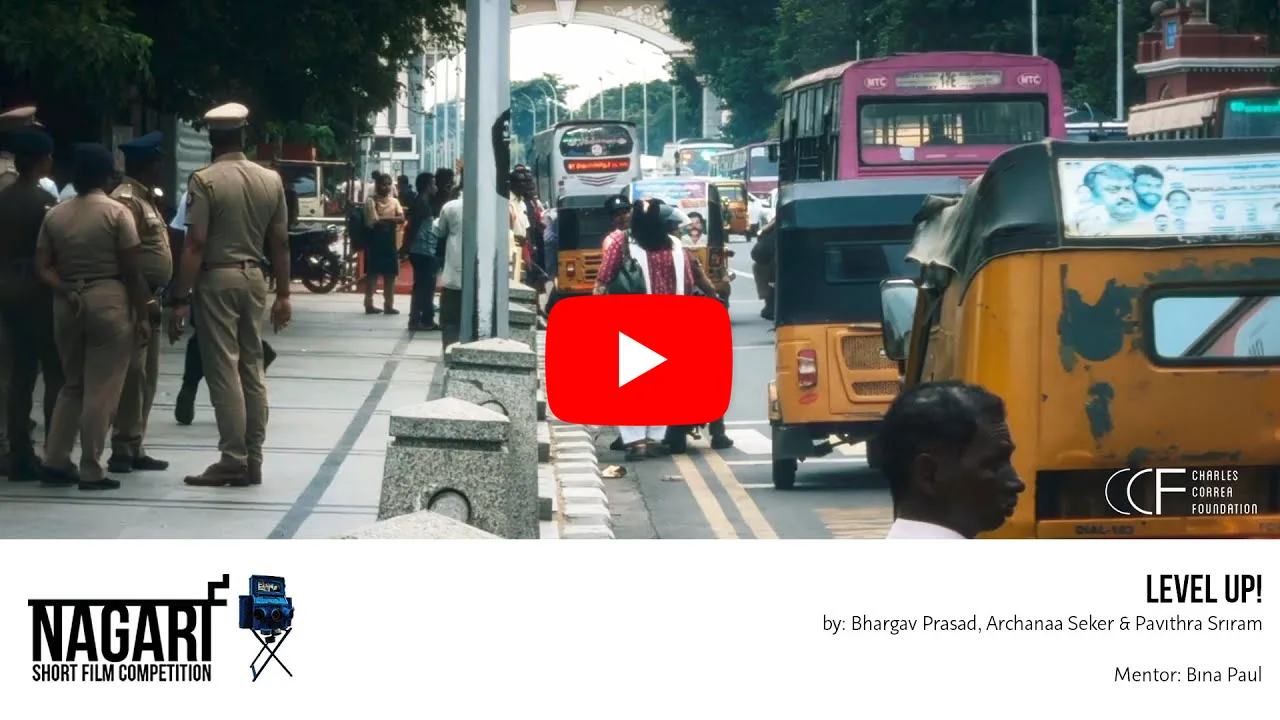
At the Annual Forum, the Charles Correa Foundation brought the “Stories from the City” session to life, showcasing five short films from the Nagari Short Films initiative. Two directors, Archanaa Seker and Amit Rathee, joined in person, sparking conversations on urban storytelling, the intersections of policy and art, and whose voices get heard. Set against the museum backdrop, the session reminded participants that urban debates are most powerful when rooted in place, culture, and narrative.
elevated railway promises growth, but displaces families who have lived on that land for generations. Their stories of loss, resilience, and hope linger long after the train has passed.
transport. Legal victories brought low-floor buses to a few routes, but systemic barriers remain, a moving testament to the persistence needed for truly inclusive cities.
These films don’t just inform; they immerse you in the lived realities of our cities.
We use only essential cookies to make this site work. With your consent we would also measure anonymous usage to improve it. You can change this at any time from “Manage cookies” in the footer.