I want to talk about the collective as a living, breathing system.
October 2025
Editor's Note
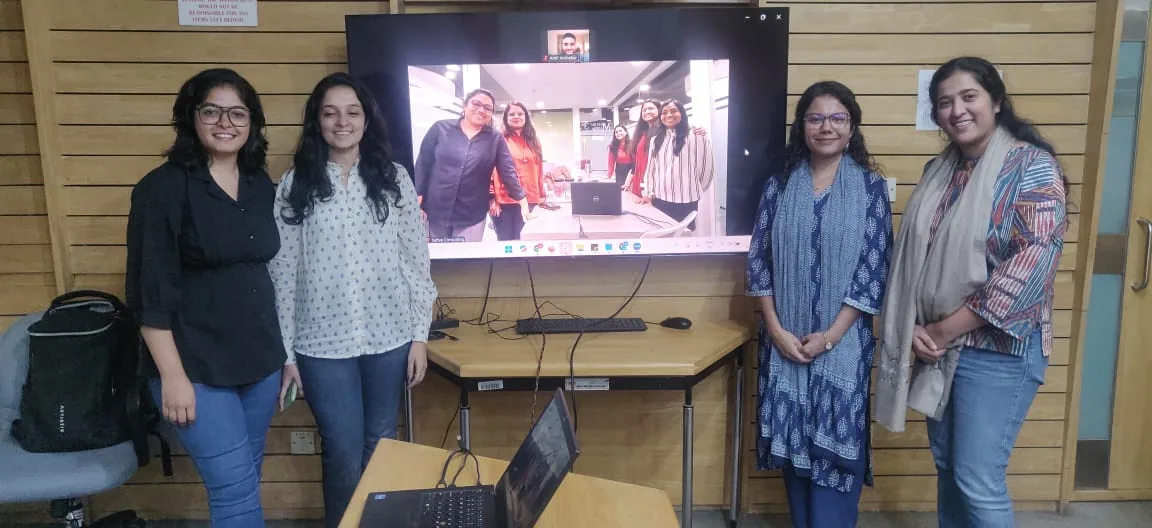
I want to talk about the collective as a living, breathing system. U-CAN’s work is built on a simple idea - that no single organisation, sector, or solution can strengthen India’s urban governance systems on its own. Real progress emerges when people and institutions learn, collaborate, and act together, each playing a distinct role in a shared network.
How networks function will shape whether true innovation results. U-CAN wants to build practices that will take the urban ecosystem along that path. Key to this is putting minimal structures and governance in place: our Stewardship Team, consisting of co-chairs Jaya Dhindaw, Pritika Hingorani, and Milind Mhaske, meets once a month to hold network intent, oversee U-CAN initiatives, engage other stakeholders, and act as a sounding board for our ideas.
Our Steering Committee, consisting of representatives from each member organization (Champaka Rajagopal, Dhanashree Gurav, Gautham Ravichander, Kanupriya Kaikeya, Krishnan S, Janaagraha, Mayura Gadkari, Meghna Indurkar, Neha Lal, and Sarah Misra), provides analysis, insight, and feedback on key shifts, ideas, and concepts, thereby keeping the collective focused on what matters.
The Backbone Team connects the pieces, designing spaces for collaboration and ensuring that insights move across the network. The Initiative Teams, formed by members and fellows, are the heart of the system; testing ideas, leading initiatives, and sharing what they learn from cities across India.
Together, these roles make U-CAN more than a platform; they make it a living infrastructure for collective learning and innovation. The stories in this issue show what that looks like in action.
When cities discuss affordable housing, they are doing what innovation networks do best; analyzing shared challenges and co-creating practical responses. When Shelter Associates mobilizes citizens to protect Pune’s rivers, it reflects how solutions deepen when community and governance align. The Artha Cities Learning Network demonstrates how members can extend this model beyond individual projects, strengthening city-led housing initiatives through peer learning, shared problem-solving, and the co-creation of practical tools.
Each of these efforts moves through the same rhythm: insight, experimentation, and reflection. And through U-CAN’s newsletters, mixers, and forums, those local efforts become shared learning, so that what works in one place can inspire and inform others.
That is the value of the network: not just connecting people, but aligning intent, building trust, and turning distributed experience into collective progress. This month’s stories remind us that systemic change is rarely linear or solitary; it is built, layer by layer, through collaboration.
Siddharth Pandit
CEO, Urban Collective Action Network · On behalf of U-CAN
State of our Cities
Across India’s cities, working women are doing double duty; putting in long hours at paid jobs and nearly the same amount of time on unpaid domestic and caregiving work. The numbers are telling: only 18% of urban women are in paid employment, yet over 80% handle domestic tasks and
one in three provides unpaid care.
For those who do work outside the home, the day stretches endlessly; around 6.5 hours in paid work, followed by another 7 hours of household and caregiving duties. Rather than lightening the domestic load, paid employment often compounds it, leaving little time for self-care or rest.
But this “double shift” isn’t just a personal or household issue, it’s an urban systems issue. The design of our cities, services, and labour markets deeply shapes how women live and work:
Inadequate childcare and healthcare push many toward informal or home-based jobs.
Limited public infrastructure reinforces unequal care responsibilities.
The result is clear: lower female workforce participation, lost productivity, and a less inclusive urban economy. However, experts argue that it doesn’t have to be this way. Investing in childcare and health services, extending creche and anganwadi operating hours, and introducing a shared maternity fund to offset hiring penalties for women are all steps in the right direction.
To build equitable and resilient cities, care work must be seen as part of urban infrastructure; supported through public childcare, flexible workplaces, and gender-sensitive planning that truly reflects how women move, work, and care within the city.
Cities can lead the way in ensuring affordable housing
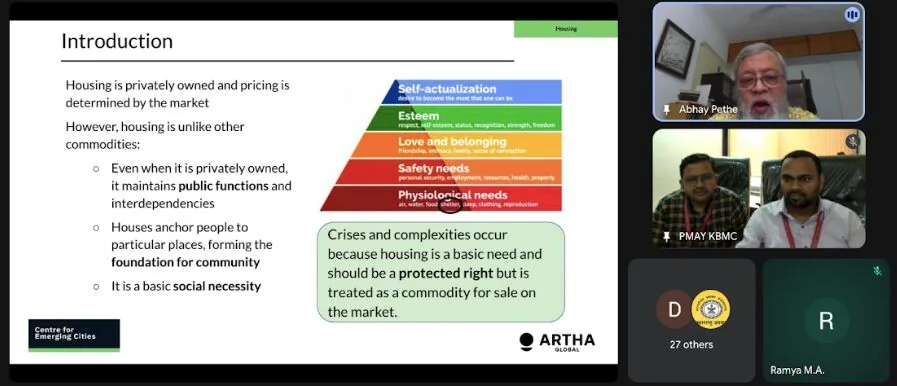
Urban housing is more than just an asset; it’s a foothold in the city, a gateway to jobs, education, and opportunity. But the question remains: how can cities ensure housing is truly affordable, both to rent and to own?
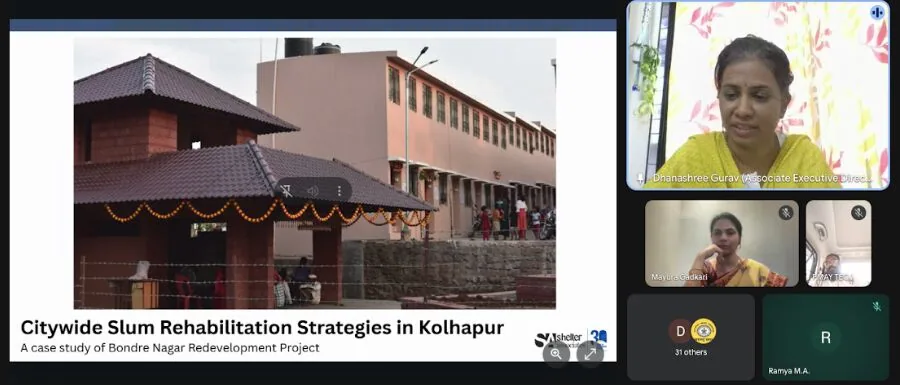
This month, the Artha Cities Learning Network, in partnership with the Directorate of Municipal Administration, Government of Maharashtra, brought together city representatives from across the state to explore this question. Participants shared experiences, unpacked challenges, and sought practical solutions for creating inclusive, affordable housing.
The discussions ranged from why affordable housing is critical for inclusive urban economies to the barriers cities face, including financing gaps, regulatory hurdles, and implementation challenges.
Peer learning formed the heart of the session. Kolhapur and Nanded, through our friends at Shelter Associates, shared lessons from beneficiary-led housing under PMAY, highlighting how community participation can shape better outcomes. Odisha’s Jaga Mission presented its inclusive slum-upgrading model, offering insights into large-scale, people-centered solutions.
Through case studies, hands-on tools, and open conversation, participants explored ways to strengthen city-led housing initiatives. The session underscored a key insight; solutions are not just found in policy papers; they are emerging from within cities themselves, shaped by collaboration, local innovation, and shared learning.
Collective action can protect our rivers
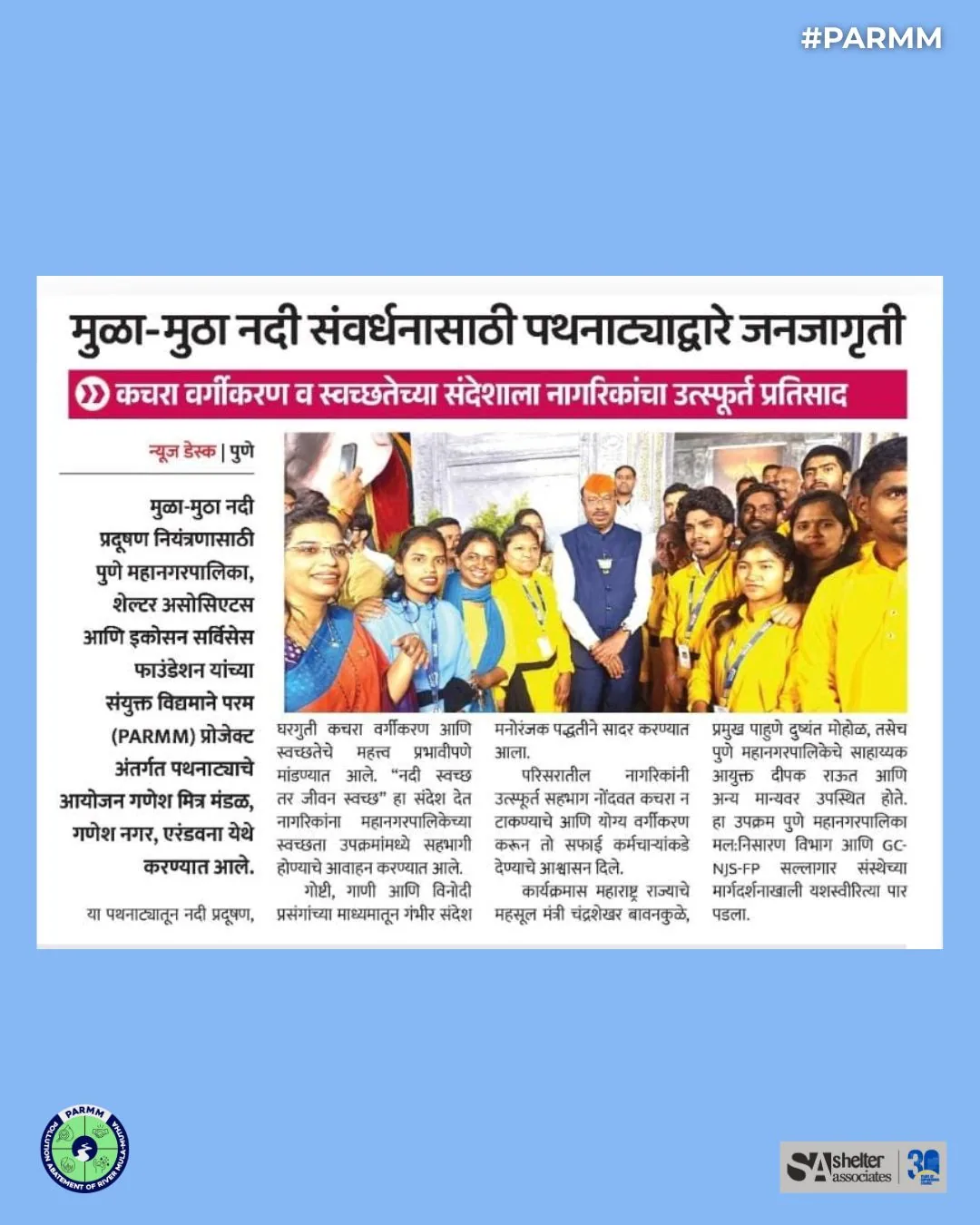
At the heart of the Pollution Abatement of River Mula-Mutha (PARMM) initiative lies a simple but urgent goal: to improve the water quality of the Mula, Mutha, and Mula–Mutha rivers by strengthening sewage collection and treatment systems in Pune. Beyond infrastructure, the project focuses on pollution abatement and better sanitation, aiming to create healthier living conditions for communities across the city and its downstream watershed.
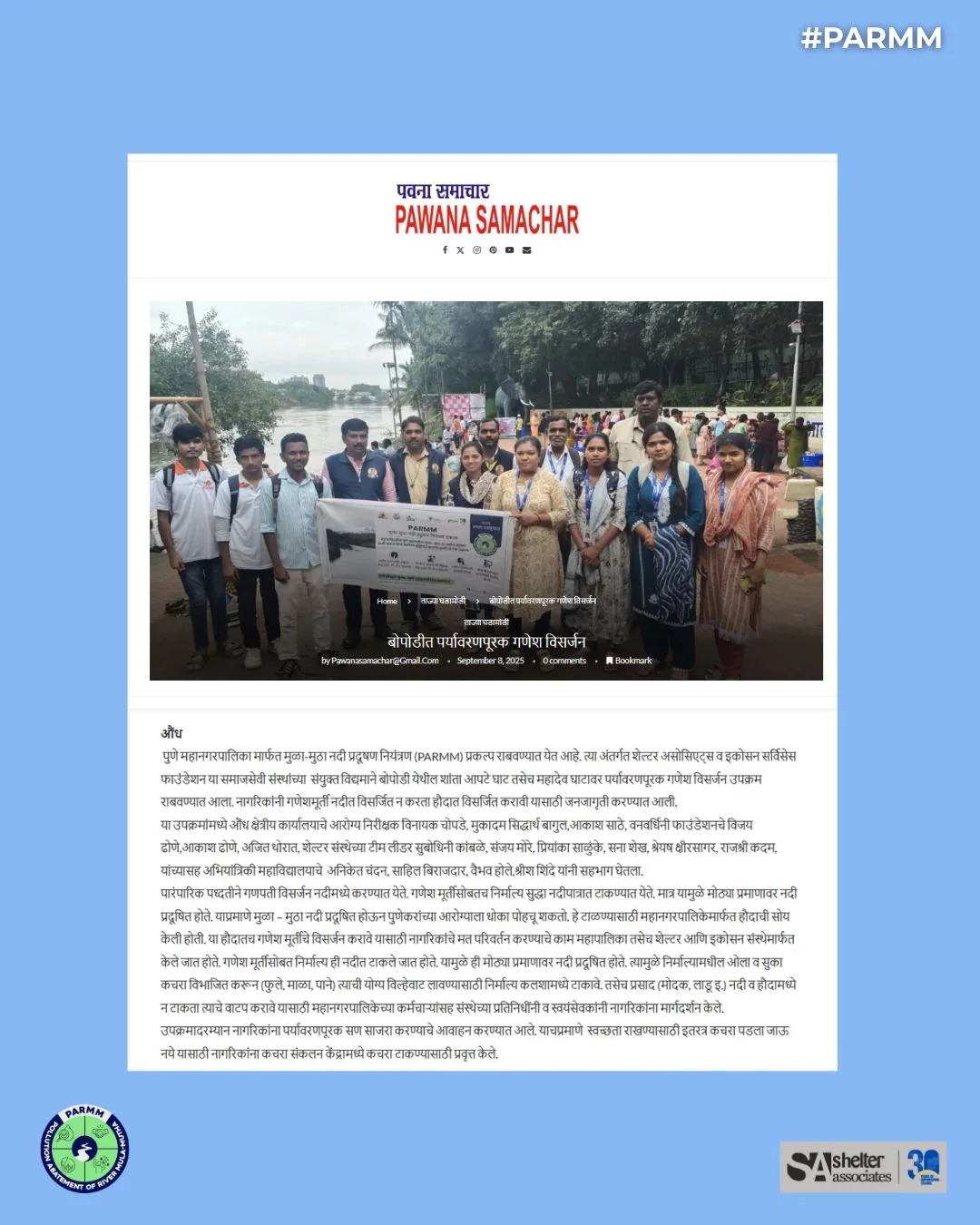
This vision is being brought to life through partnerships and people. Working closely with the Pune Municipal Corporation, Shelter Associates has been driving awareness on waste segregation, eco- friendly Ganesh Visarjan, and other sustainable practices that connect daily habits to river health.
Recently, at Janata Vasahat, Canal Side, this collaboration turned into a day of shared action.
Citizens, officials, and volunteers joined hands for shramdaan, clean-up drives, and lively street plays that carried messages about protecting Pune’s rivers. Gamified activities made learning engaging for children and youth, turning environmental education into collective fun.
The strong community turnout captured what PARMM is all about; transforming river rejuvenation from a technical challenge into a citizen-led movement for cleaner, healthier cities.
Mumbai ward budgets 2025: Who gets what, and why it matters
Mumbai’s 24 administrative wards are not treated equally when it comes to budgets, and the Mumbai Ward Wise Budget Report 2025, by Praja Foundation and TISS, lays this bare. The report examines ward budgets over five years, from 2021-22 to 2025-26, looking closely at revenue and capital expenditures across essential services; roads, drains, footpaths, gardens, markets, public health services, and slum development.
One striking trend is that, on average, only 14% of the total BMC budget reaches the wards, and capital expenditure, the money that builds and maintains infrastructure, has fallen from 10% to just 3%. Meanwhile, revenue allocations have also dipped slightly, from 25% to 22%, indicating limited investment in ward-level development.
The report highlights sharp disparities across regions. Island City, home to 25% of the population, receives the highest per capita revenue expenditure (Rs. 7,861) and tops the capital allocation charts. In contrast, the Western Suburbs, with 44% of the population, get just Rs. 4,136 per capita for revenue and only Rs. 411 per capita for capital expenditure. At the ward level, ‘A’ Ward leads with a total per capita budget of Rs. 13,672, while R/N Ward sits at the bottom with Rs. 3,358. These differences reflect historical administrative focus, revenue- generating capacity, and population distribution.
Data gaps make the picture even more challenging: ward budget books only provide estimates for the current year, with no revised or actual expenditure data, and there is no ward-wise personnel information. On average, 63% of revenue expenditure goes to establishment costs, leaving less for public services.
Why it matters: Unequal budgets shape the quality of essential services and influence who benefits from city resources. Without transparent, outcome-focused, and participatory budgeting, some wards risk being underserved while others continue to receive a disproportionate share of resources.
Addressing Bengaluru’s congestion requires a system-wide approach
For anyone who’s spent hours inching through any tier 1 cities traffic, congestion feels like a daily inevitability. But it’s more than just lost time on the road, it affects a city’s productivity, livability, and long-term economic growth.
As Pawan Mulukutla and Madhav Pai point out through the example of Bengaluru, there are no quick fixes. The problem is systemic, and so must be the solutions. That means:
Investing in robust last-mile connectivity so that metro and bus systems truly work as citywide networks.
Planning secondary and tertiary roads in new growth zones, and closing the missing links that choke existing routes.
Active parking management, including rational pricing, to curb unnecessary private vehicle use.
Without coordinated action, the city risks stalling its own potential, economically and socially. But with thoughtful planning and collaboration, Bengaluru can reclaim its streets for people, not just vehicles.
Why it matters: Every minute not spent in traffic is a minute returned to living, creating, and contributing; the essence of what makes cities thrive.
As the U-CAN Fellowship draws to a close on 31 October, we look back on a year of learning, leadership, and shared discovery. Designed as a holistic journey, the Fellowship moves beyond project execution to build reflection, community, and purpose-driven leadership. Through masterclasses, peer exchanges, and one-on-one mentorship, fellows have not only deepened their understanding of urban systems but also developed the tools to navigate them with intent and empathy.
Writing blogs is a key part of this process. It helps fellows pause, reflect, and share lessons from their field experiences, turning individual insights into collective learning.
As the first-of-its-kind women’s leadership fellowship in the urban development space, the inaugural cohort brings together professionals from diverse disciplines and cities, each contributing unique perspectives to how Indian cities can become more inclusive, sustainable, and resilient.
From Jammu to Jaipur, from Pune to Bangalore, fellows have documented how communities shape, and are shaped by, the systems around them.
Aanchal Aggarwal explores how citizen participation unfolds in practice, tracing how Ward Committees work (and where they don’t). Ramya M.A and Sharathappriyaa V reflect on how climate change is transforming Indian cities and the everyday realities of adaptation. Aashima Arora and Anwesha Bhattacharya examine how design, safety, and inclusion intersect, asking what cities might look like if belonging and access were treated as core principles of planning.
Meanwhile, the Fellowship’s Social Entrepreneur track showcases another dimension of leadership; where innovation meets community action. Fellows like Shubhi Kesarwani (GuruJal) and Shreya Krishnan (Pelathope Urban Living Lab) are developing practical, scalable solutions rooted in collaboration and empathy, from digital tools for rainwater harvesting to neighbourhood platforms for participatory planning. Their journeys expand the idea of what urban problem-solving can look like: local, grounded, and deeply human.
As we wrap up this first cohort, we’ll share more reflections and highlights, including a detailed report, in the November newsletter.
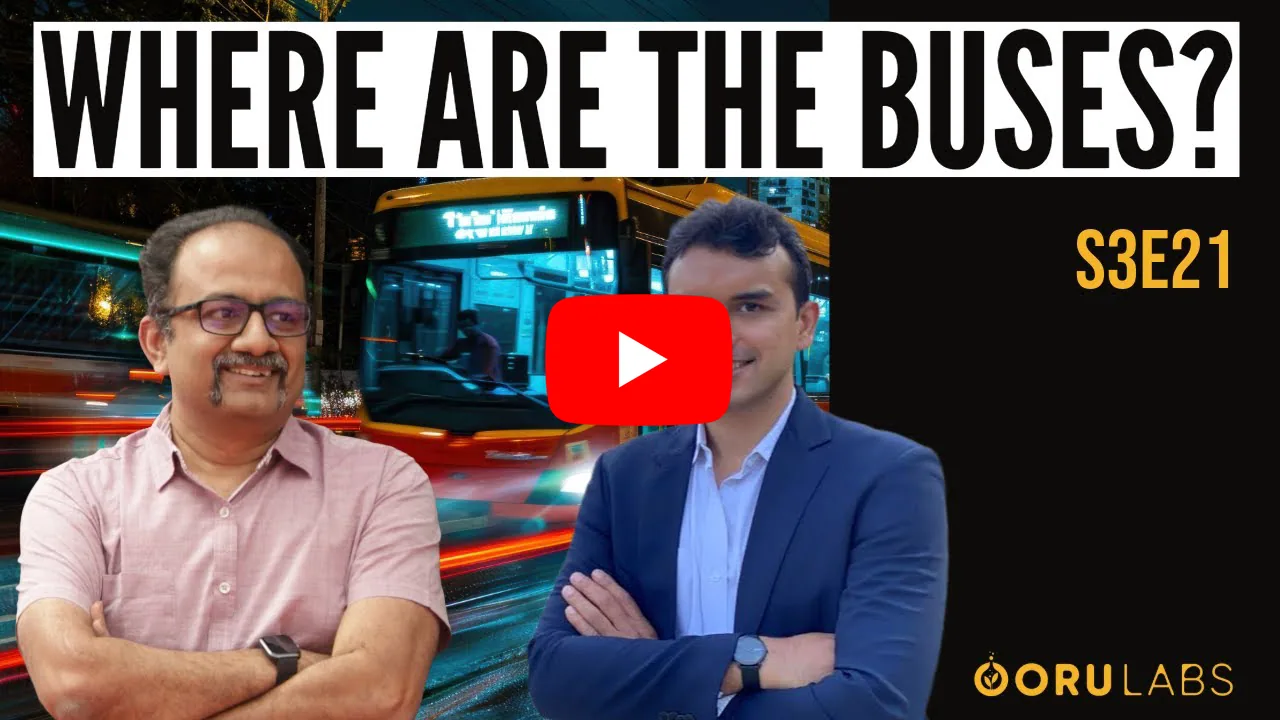
Ooru Labs explores the challenges of India’s bus systems, from too few buses to poor route planning, and how cities can improve service reliability. The discussion emphasizes putting users first, using data smartly, and adopting innovations to make public transport more reliable, convenient, and comfortable for riders.
Why Indian cities Are building a new urban logic
This The Century of Cities podcast episode features Gautam Bhan, Senior Consultant at the Indian Institute for Human Settlements. Gautam reflects on India’s urban journey, highlighting persistent inequalities while envisioning cities as spaces for dignified and equitable futures. He calls for leadership rooted in humility, local knowledge, and lived experience, and explores how Southern cities can learn from each other to shape what comes next.
Cities without barriers - Designing for disability inclusion & accessibility
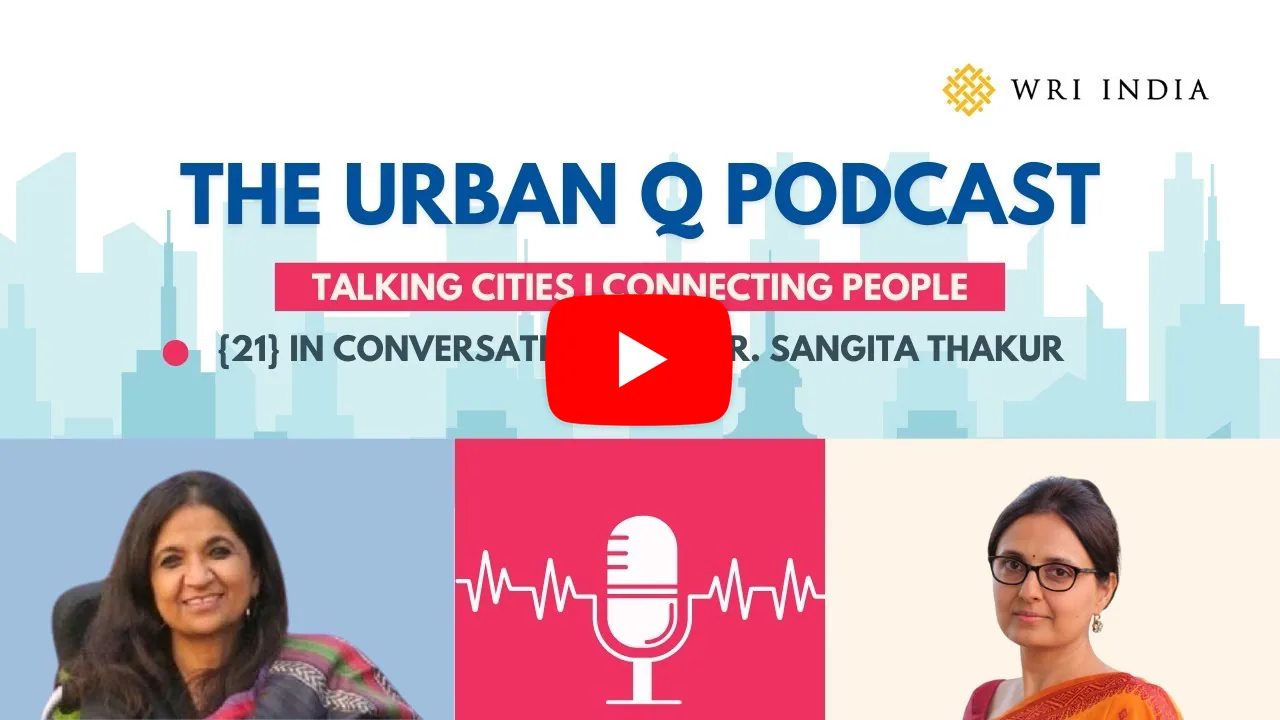
In Episode 21 of the Urban Q podcast, U-CAN co-chair Jaya Dhindaw speaks to Dr. Sangita Thakur (Founder, Ashtavakra Accessibility Solutions) about her journey as an accessibility strategist living with disabilities, and examines how cities can bridge gaps in policy and planning, awareness and infrastructure to become environments where everyone belongs.
Metro Metric
By 2080,
nearly 9 billion people - about 85–90% of the world’s population - could be living in cities, the steepest urban expansion in history.
What began in 1980 as an industrial boom in the Global South and a wave of re-urbanisation in the North has since transformed every region: Africa, India, Southeast Asia and West Asia are now driving almost all new growth, while Europe and parts of East Asia are already beginning to shrink.
Over this century-long arc, cities with more than one million residents will grow from 275 to nearly 1,600, and most new population growth will concentrate in smaller, interconnected towns that function as regional networks. Yet rapid expansion has outpaced housing, utilities, and infrastructure, leaving more than a billion people in informal settlements.
As we near peak urbanisation, and peak global population, cities will face a new paradox: how to stay vibrant when growth slows. Aging residents, shrinking tax bases, climate stress, and uneven opportunity will test traditional models of prosperity.
Why this matters: The coming decades will demand a shift in how we think about cities; not just as engines of growth, but as systems that must adapt, redistribute opportunity, and remain livable even after the boom ends.
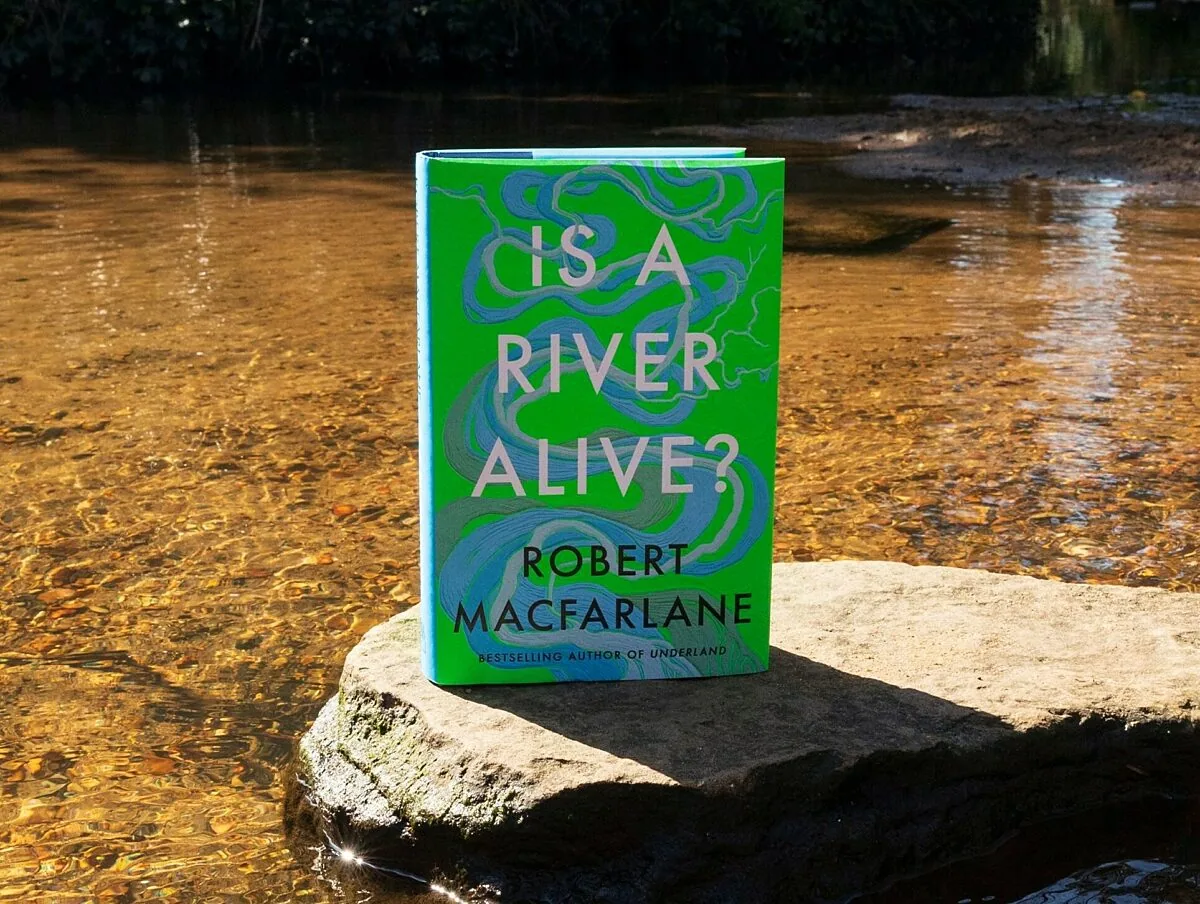
At its heart, Is a River Alive? presents a single idea: rivers are not just resources for human use, but living beings, deserving recognition in law and imagination. Inspired by the artists, activists, and lawmakers of the ‘Rights of Nature’ movement, Robert Macfarlane explores the past, present, and possible futures of this idea.
The book follows three journeys. First, northern Ecuador, where cloud-forests and rivers face threats from gold-mining. Next, southern India, where creeks, lagoons, and streams struggle to survive. Finally, north-eastern Quebec, where the river Mutehekau (Magpie) is defended from damming.
Running through these journeys is a chalk stream near Macfarlane’s home, connecting the personal and the political, the local and the global. Through many voices, human and nonhuman, the book asks us to reimagine rivers and the way we live.
For urban development, this is a timely reminder: healthy rivers are central to resilient cities. They shape communities, ecosystems, and livelihoods. Recognizing rivers as more than infrastructure can guide sustainable urban planning and governance; and help cities thrive for people and nature alike.
Read or share the original edition
This edition was sent to U-CAN subscribers in October 2025. Download the PDF, or subscribe to get the next one in your inbox.
We use only essential cookies to make this site work. With your consent we would also measure anonymous usage to improve it. You can change this at any time from “Manage cookies” in the footer.