Cities are living organisms, shaped as much by who participates in their making as by the plans, laws, or infrastructure that hold them together.
November 2025
Editor's Note
Cities are living organisms, shaped as much by who participates in their making as by the plans, laws, or infrastructure that hold them together. Yet for most of modern urban history, cities have been imagined, designed, and governed through a narrow lens. As thinkers like Jane Jacobs and Jan Gehl have shown, when cities are built around limited experiences, they inevitably exclude the complexity of those who move, work, care, and create within them.
When only certain perspectives shape planning, bias quietly becomes infrastructure: streets that feel unsafe, public transport that doesn’t match real travel patterns, public spaces that signal who belongs and who doesn’t. These aren’t just design flaws; they’re reflections of whose realities have been centred and whose have been overlooked.
That’s why this month’s convocation of the first U-CAN Fellowship cohort matters. These eight women spent the past year working across governance, design, climate, community engagement, and data. But, their impact goes far beyond individual projects. In a sector still largely dominated by male voices, an all-women cohort broadens what the urban ecosystem pays attention to, what it values, and what it considers “expertise.”
Their leadership brings into focus dimensions of city life often treated as secondary: safety, care work, mobility patterns, everyday negotiations of public space, and the texture of neighbourhood life. Their presence shifts the centre of gravity, showing that when more people shape cities, cities themselves become more capable of understanding their own challenges and imagining different possibilities.
Across this issue, that idea of inclusion as capability shows up in different corners of India’s urban landscape. From new research that lays bare how monsoon risks fall hardest on the poorest neighbourhoods in Mumbai, to Dhampur’s experience reminding us that small towns need ecological and governance inclusion just as much as metros; from city action plans that make planning more local and participatory, to mobility dialogues arguing that people, not vehicles, should anchor transport systems, the message is consistent: when more people, more geographies, and more lived experiences shape urban decisions, cities become smarter, fairer, and more resilient.
As we look ahead, our task is clear; broaden who participates, deepen whose knowledge counts, and build systems that reflect the full diversity of urban life. Inclusive cities aren’t created by accident, they are built through intention, redistribution of voice, and a willingness to imagine the urban future through more than one lens.
Siddharth Pandit
CEO, Urban Collective Action Network · On behalf of U-CAN
Fellowship Corner
Celebrating the First U-CAN Fellowship Cohort
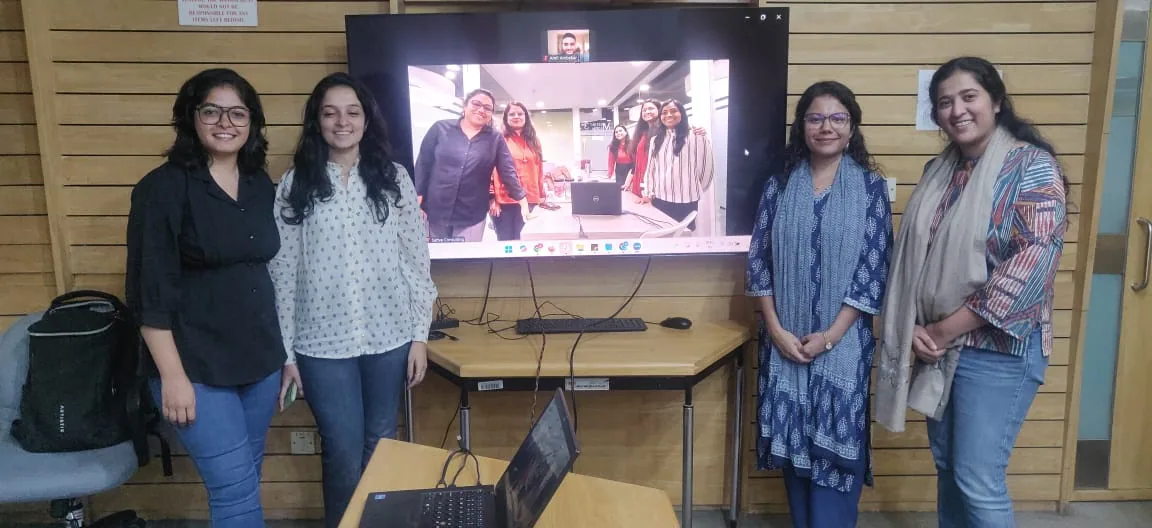
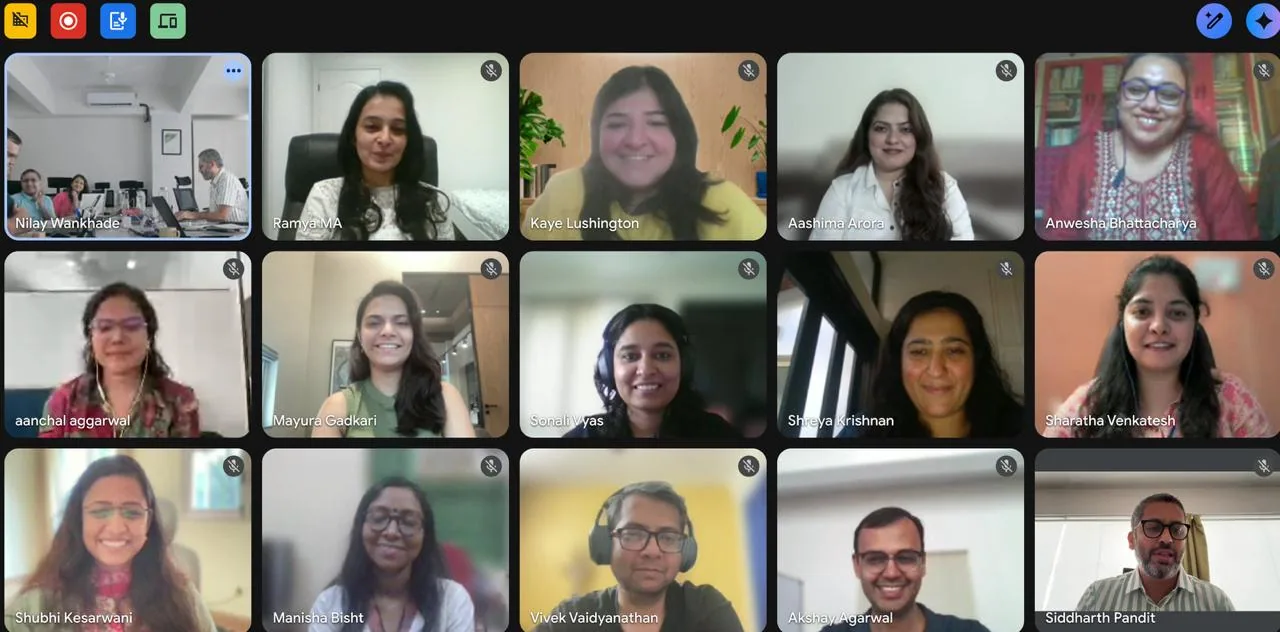
On October 31st, we came together to celebrate the convocation of the inaugural U-CAN Fellowship cohort; eight incredible women who spent a year working across India’s cities, learning, experimenting, and leading change from the ground up.
From our first photo together at the induction to the final one at the convocation, the journey has come full circle, marked by shared laughter, field visits, learning sessions, and moments of quiet reflection.
Over the past 12 months, Ramya M.A., Aashima Arora Arya, Sharathappriyaa V, Shubhi Kesarwani, Manisha Bisht, Aanchal Aggarwal, Shreya Krishnan, and Anwesha Bhattacharya explored questions at the heart of India’s urban future, including: how can citizen participation strengthen local governance? What does safety mean for women in public spaces? And, how can design and data bring dignity to urban life, among others.
Their journeys, from climate action in Bhubaneswar to placemaking in Jaipur and peri-urban transformation near Lucknow, have been about more than projects. They’ve been about growing as leaders, collaborators, and storytellers.
Host organizations Janaagraha, Artha Global, Shelter Associates, Safetipin, WRI India, and Reap Benefit also joined us and reflected on how each fellow brought curiosity, ownership, and creativity to their work, reminding us that mentorship and learning are always two-way streets.
As shared in the ceremony, this first all-women cohort has shown that empathy, rigour, and imagination are powerful forces for shaping cities that work for everyone.
We can’t wait to see where their journeys lead next, and how, together, we continue to shape cities that work for all.
Mumbai’s monsoon isn’t just an inconvenience, it’s a growing public health crisis. New research shows that heavy rainfall now accounts for nearly 7-8% of all monsoon-season deaths in the city, a toll comparable to cancer. Across a typical monsoon, this means over 2,000 lives lost, from immediate incidents like drowning and electrocution to the surge in diarrhoeal and vector-borne diseases that follows flooding.
But the burden is far from equal. 85% of these deaths occur in slum settlements, where drainage, sanitation, and housing conditions leave residents more exposed to floodwaters. Young children face the sharpest risks, particularly from waterborne diseases, while women’s mortality rises almost twice as much as men’s after heavy rain. What looks like a weather event is, in reality, a story of infrastructure gaps, spatial inequality, and climate vulnerability.
And the challenge is intensifying. Short, intense bursts of rain, especially when they coincide with high tide, are proving the deadliest. As sea levels rise, these risks are projected to grow by 20% or more, unless cities act decisively.
Urban planners and public health experts argue that this isn’t just about climate; it’s about city systems. Strengthening drainage and wastewater networks, expanding natural flood buffers, investing in resilient housing, and prioritising upgrades in low-income neighbourhoods are immediate steps that can save lives.
To build cities that can withstand the monsoon, rainfall must be treated as a core urban systems issue, one that demands coordinated action across climate adaptation, public health, housing, and basic services.
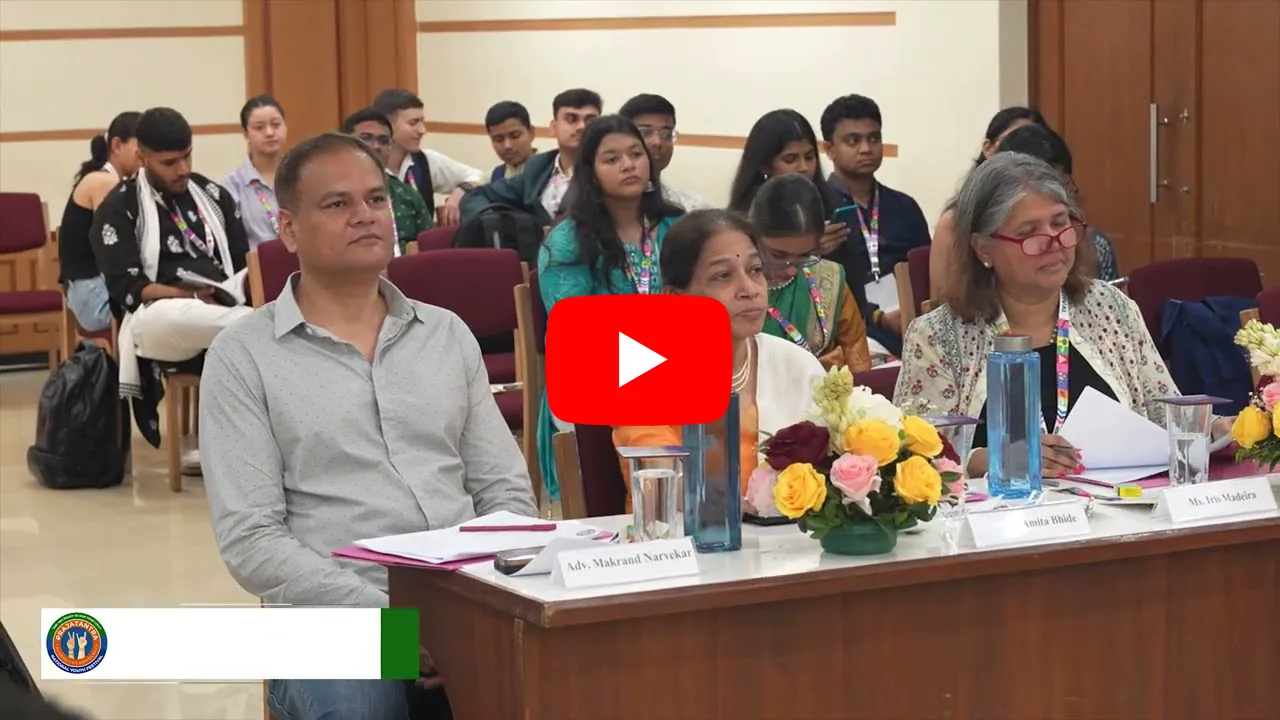
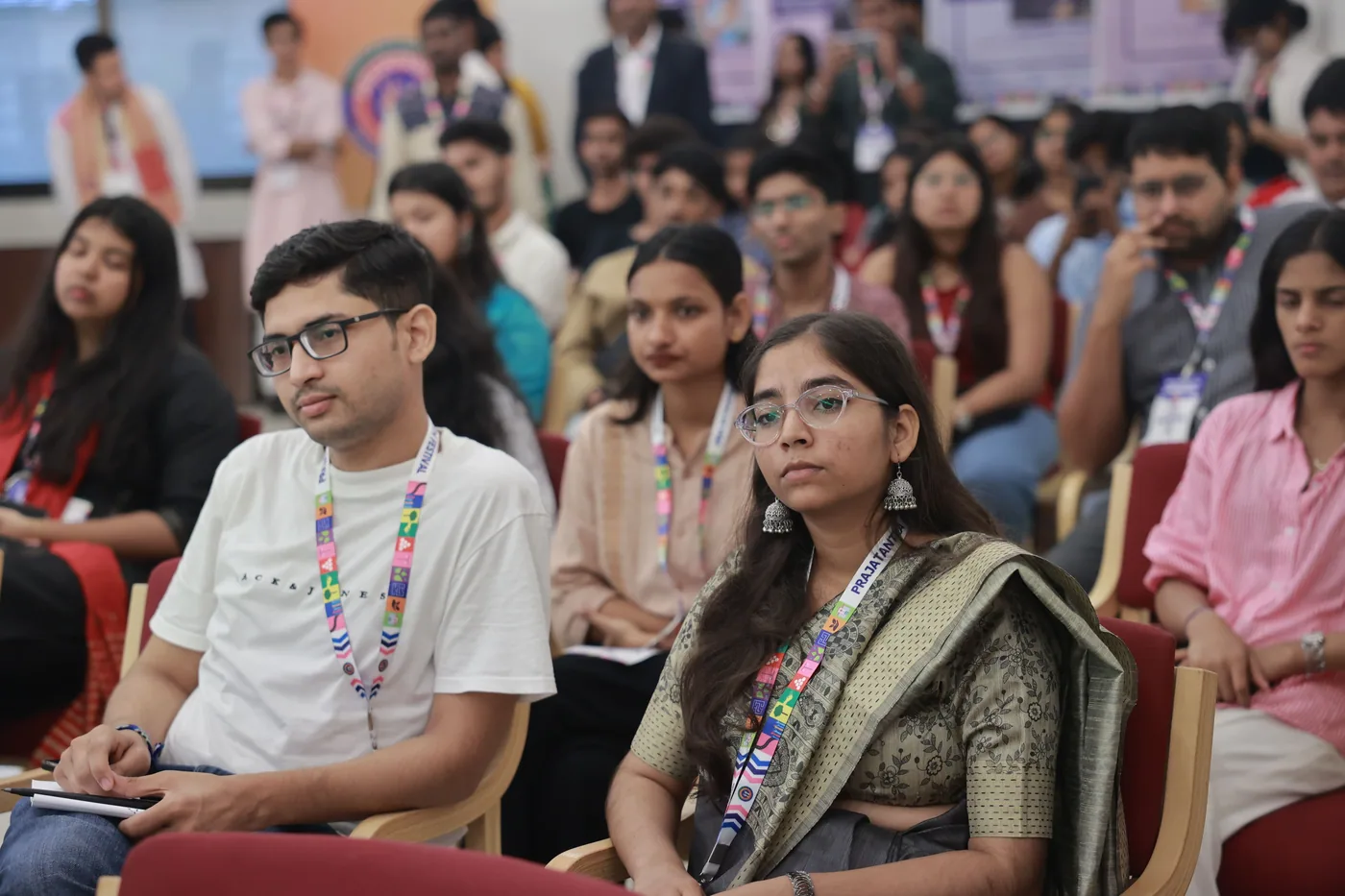
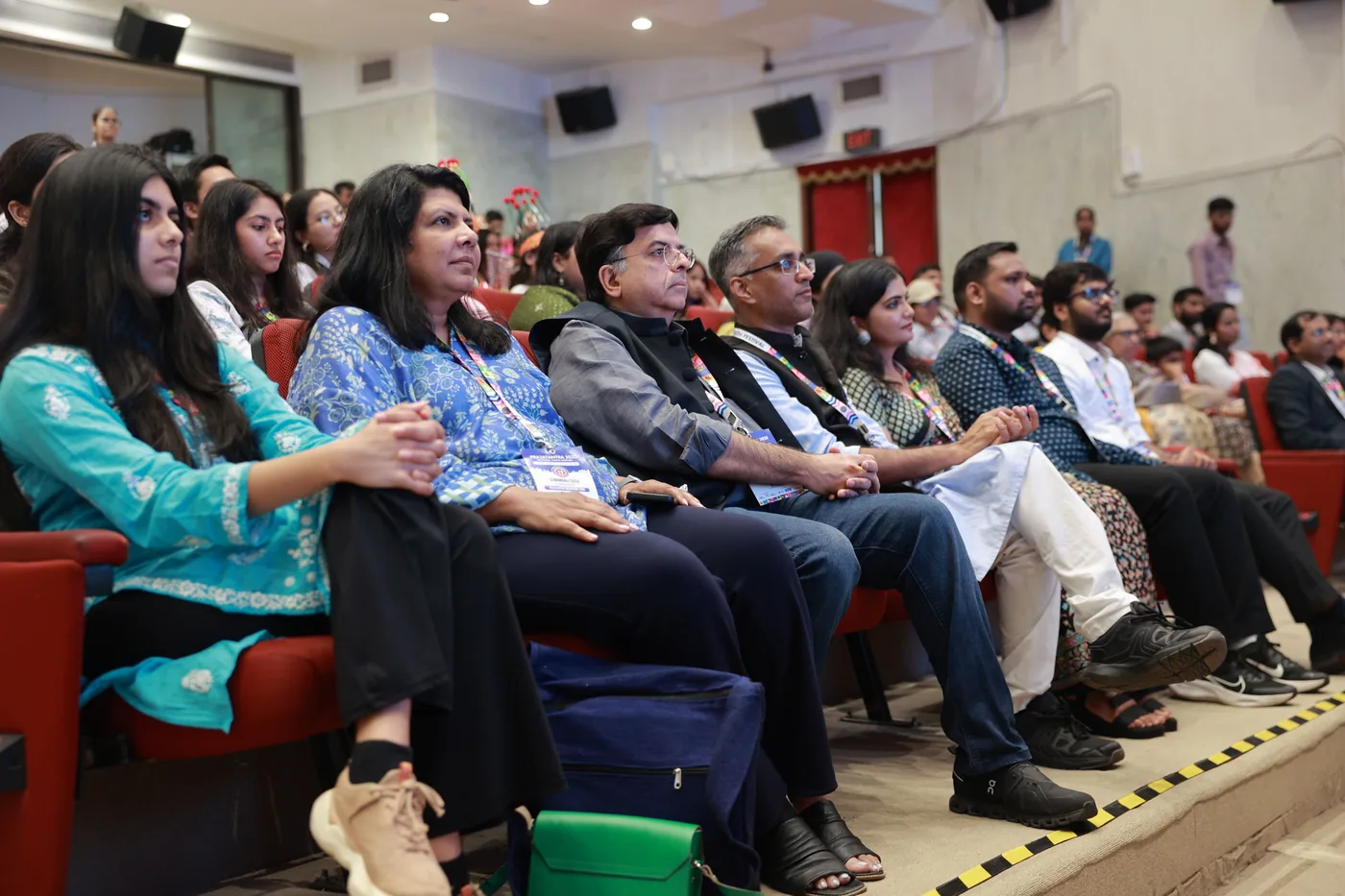
Prajatantra, conceptualised by Praja Foundation in 2019, has steadily grown into a national platform that introduces young people to how city systems work, through dialogue, role-play, and policy design. This year, we were glad to be part of it, seeing firsthand how seriously young participants engage with questions of governance.
Co-organised by Praja Foundation, the National Institute of Urban Affairs (NIUA), and UN- Habitat India, the 2025 edition brought together 3,800 young citizens from 194 cities across 28 States and 8 Union Territories. With the theme “Artificial Intelligence for Sustainable Cities,” participants explored how technology can strengthen transparency and participation in everyday governance. Their proposals showed a clear understanding of both the opportunities and the constraints of using AI in public systems.
A defining element this year was the growing sense of ownership young people expressed; an understanding that they aren’t just learning about urban governance, but have a meaningful role to play in shaping it. As Priyanka Sharma, Director of Programs, Praja Foundation put it:
“This year made it clear that Prajatantra is no longer just an annual festival. It has grown into a civic movement, one where young people see themselves as contributors to how their cities work, not just observers.”
For an urban ecosystem that often struggles to involve citizens meaningfully, this shift is important. Prajatantra 2025 showed that when young people are given space to ask questions and propose solutions, they bring fresh energy and clarity to issues that shape city life.
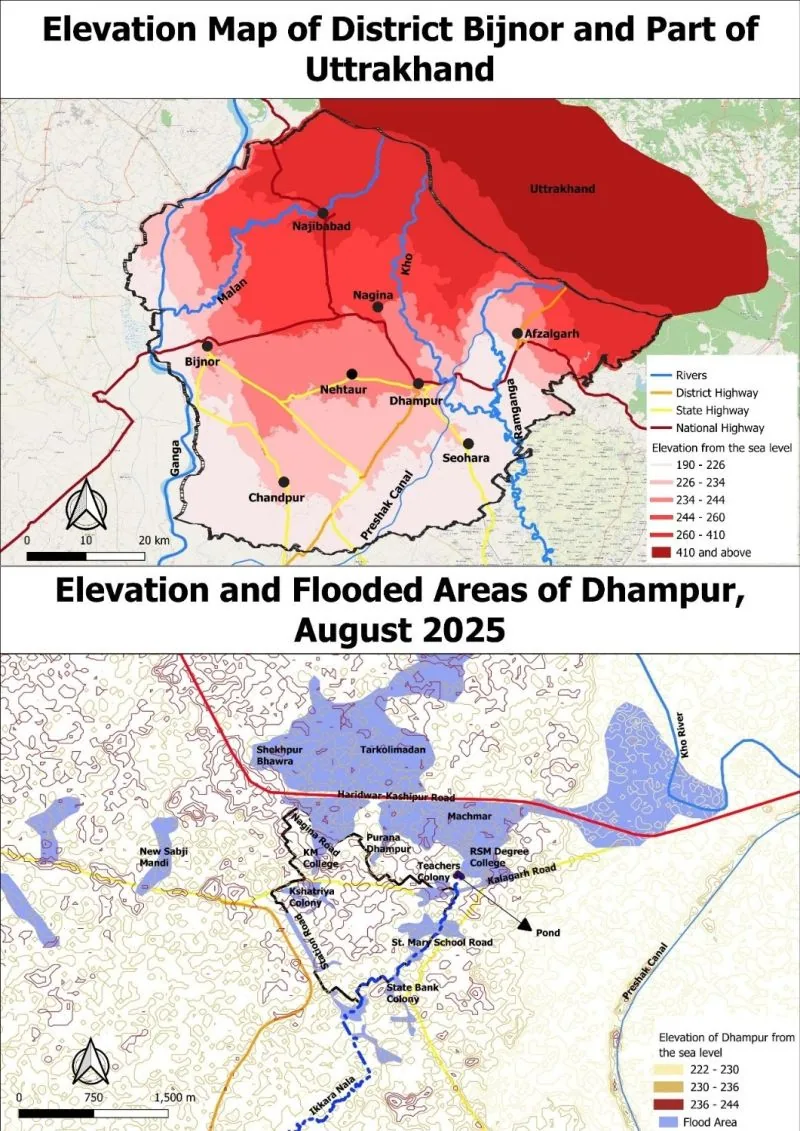
Small town, big lessons: What Dhampur’s floods tell us about urban resilience At our Annual Forum in Goa, Dr. Pushpa Pathak and Shubham Kashyap from the Centre for Policy Research reflected on how everyday governance shapes climate resilience. Their recent article examines Dhampur, a small town in Uttar Pradesh, where this year’s floods once again disrupted lives and livelihoods.
While images of urbanisation are often associated with large metropolitan cities, a significant share of India’s urban population lives in smaller cities and towns, many of which are growing faster than megacities. Dhampur’s story captures this shift, and the governance gaps that come with it.
The authors show how blocked drains, encroachments along natural waterways, and unregulated expansion into low-lying areas have worsened flood impacts. Despite repeated floods, mitigation efforts remain reactive, focused on patching embankments or temporary relief rather than addressing the root causes.
Their analysis argues for a shift from crisis response to long-term resilience, calling for: restoring the natural width and flow of drainage channels like the Ikkra Nala, removing encroachments and strengthening enforcement at the local level, expanding and upgrading urban drainage systems in step with population growth, and integrating climate awareness and environmental assessment into town planning.
Dhampur’s experience, they note, mirrors a larger national challenge: how to align planning, ecology, and governance as smaller urban centres grow.
City Action Plans (CAPs) take root in Uttar Pradesh
Urban transformation requires more than new infrastructure; it demands new systems for planning, funding, and governance. This month, that shift took a major step forward as the Directorate of Urban Local Bodies (DULB) in Uttar Pradesh formally directed all 100 Urban Local Governments under the Aspirational Cities Programme (ACP) to adopt City Action Plans (CAPs).
Co-developed by Janaagraha and Samyak, with guidance from the Urban Development Department, Government of Uttar Pradesh, and support from the Gates Foundation, CAPs are living reform roadmaps designed to make governance more spatially grounded, data-driven, and participatory.
Built on four pillars - strengthening civic infrastructure, improving service delivery, enhancing coordination and data systems, and deepening community participation - CAPs blend bottom- up citizen priorities with top-down planning processes.
The Janaagraha team in Uttar Pradesh has been at the forefront of this effort, piloting CAPs in five cities, Kaisarganj, Mohanlalganj, Ghaghsara Bazaar, Renukoot, and Ma Kamakhya, to chart new models for place-based governance in small and transitioning cities. These pilots laid the foundation for the state-wide institutionalisation now underway.
As CAPs become embedded within urban local governments, they promise to turn planning into a continuous, collaborative practice; one where communities, officials, and departments work together to shape cities that truly reflect local needs.
The future of urban mobility is people-first, not vehicle-first
What if Indian cities planned mobility around how people actually move, not just how vehicles flow?
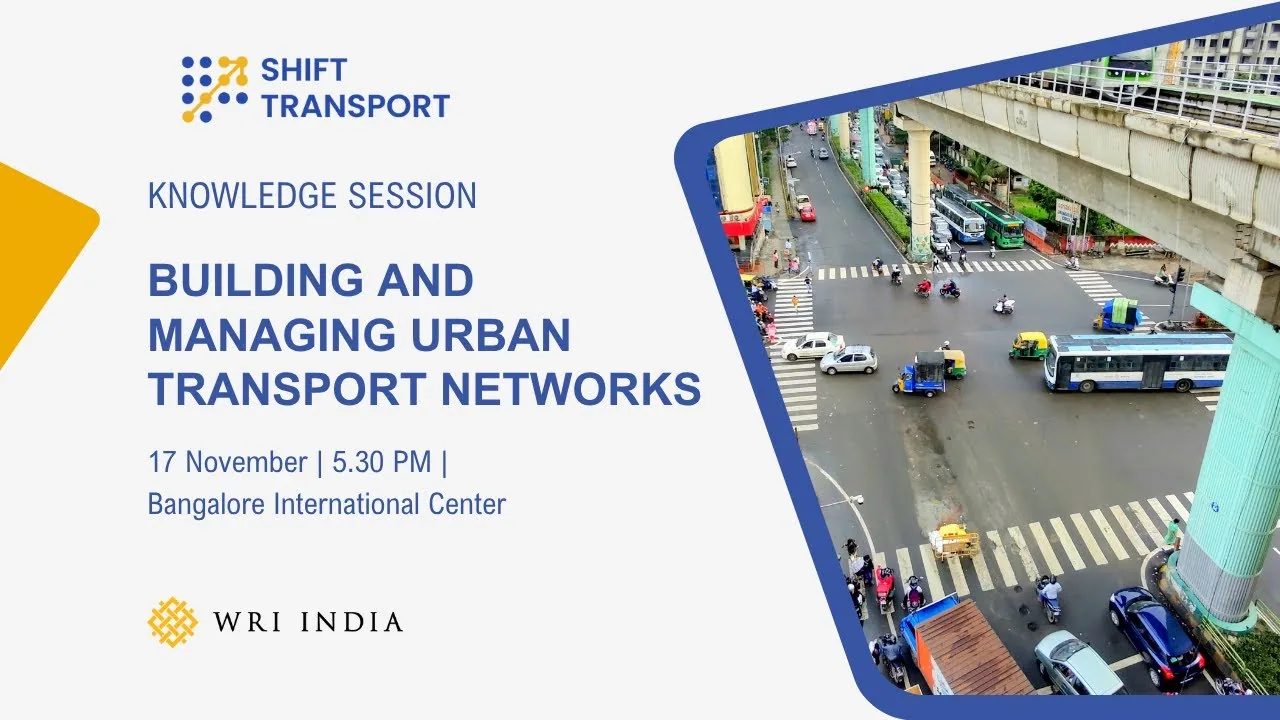
That question anchored WRI India’s recent dialogue on building transport systems that are people- first, data-smart, and institutionally aligned.
The conversation opened with a sharp provocation from Madhav Pai: cities can’t fix what they can’t measure. Without consistent data on demand, supply, and performance, transport networks become guesswork, and people pay the price.
From there, the panel sketched a picture of what better mobility could look like:
Data works best when paired with lived experience: As Meera K put it, a “data + citizen + expert” loop can cut through complexity and lead to solutions that actually scale.
Governance, not congestion, is the real bottleneck: Naresh V Narasimhan and Sathyanarayanan Sankaran underscored that fragmented institutions, not traffic, are at the heart of Bengaluru’s mobility crisis. Coordination, not widening roads, is the game changer.
Businesses and pedestrians aren’t afterthoughts: Soumya Venkatesh highlighted the role corporates can play in shifting mobility habits, while Gayathri Kuppendra Reddy stressed that without real-time walking data, cities remain blind to their most fundamental mode of travel.
Better operations can unlock the capacity we already have: Venkata Subbarao Chunduru showed how data-led planning can improve reliability and make cities more resilient during both everyday peaks and major events.
Across the discussion, one message stood out: Mobility isn’t just a transport issue, it’s a systems issue. And when institutions share data, coordinate decisions, and design with people at the center, cities can move faster, fairer, and with far less friction.
To explore why data-driven, long-term decision-making is essential for shaping India’s urban mobility, you can read WRI’s expert note here
Rethinking how India plans and governs its cities
In his latest Mint column, Srikanth Viswanathan, CEO of Janaagraha, asks a pressing question: Why are India’s cities, from Delhi to its smallest towns, struggling under the
same template of urban planning?
Despite their diversity, most Indian cities operate under a one-size-fits-all governance model, with the same laws, schemes, and institutions, whether the city has 4 million people or 40,000.
The result: planning that’s blind to context and systems that fail to keep up with urban growth.
Drawing on Janaagraha’s experience working with governments across states, Srikanth argues that fixing this mismatch requires rethinking the architecture of urban governance itself.
He lays out three big shifts India must make:
Reorienting national and state urban departments to focus on local governance and regional development, not just schemes and infrastructure.
Adopting differentiated governance models for metros, emerging cities, and small towns that reflect their unique challenges.
Creating a national rural–urban transition policy to manage India’s 24,000 fast- urbanising villages.
For anyone working in or around India’s urban systems, this piece offers a powerful framework for what reform could actually look like, and why empowering local governments is the only path to cities that truly work for their people.
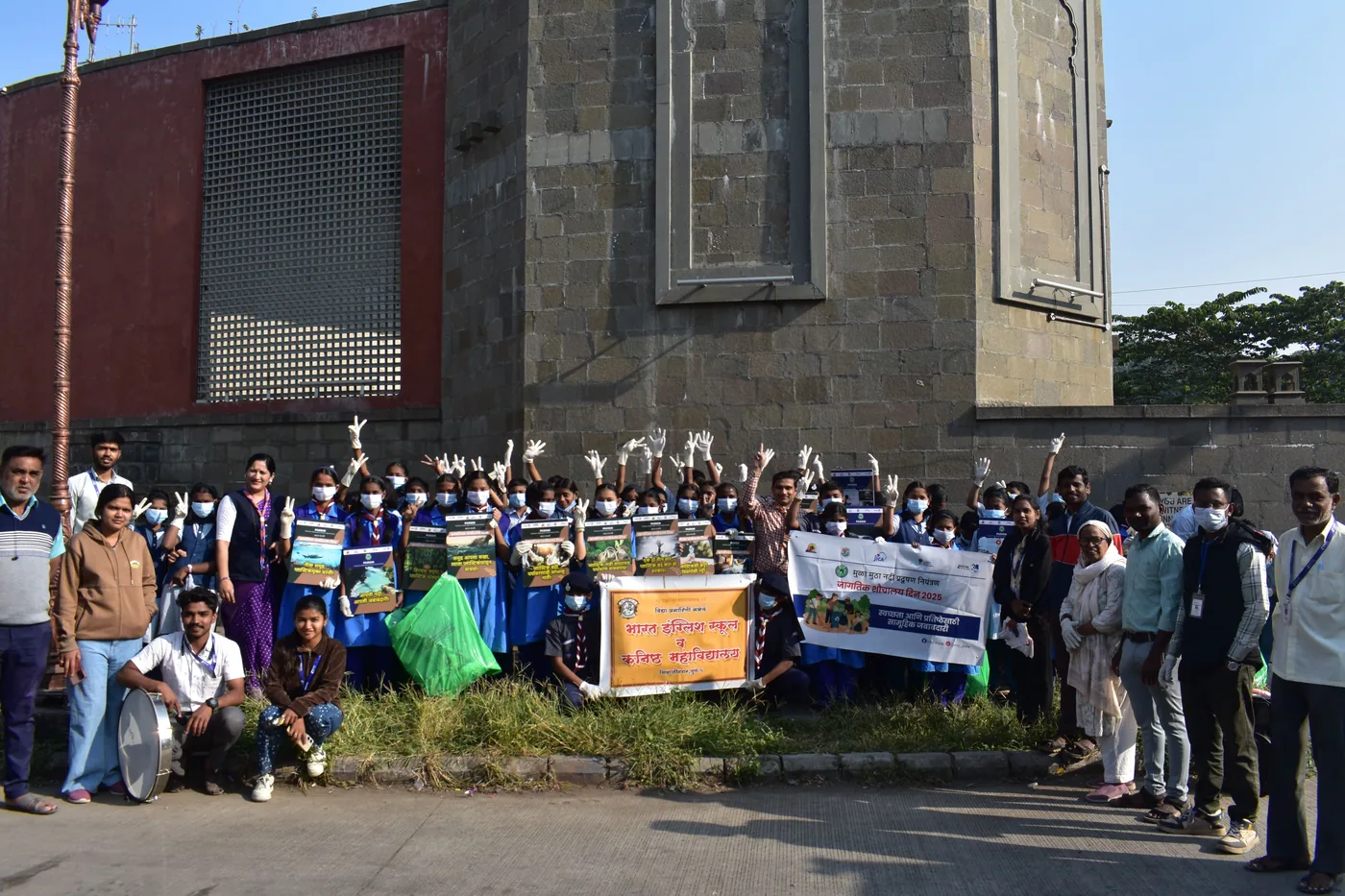
World Toilet Day in Pune: Sanitation as a shared urban practice
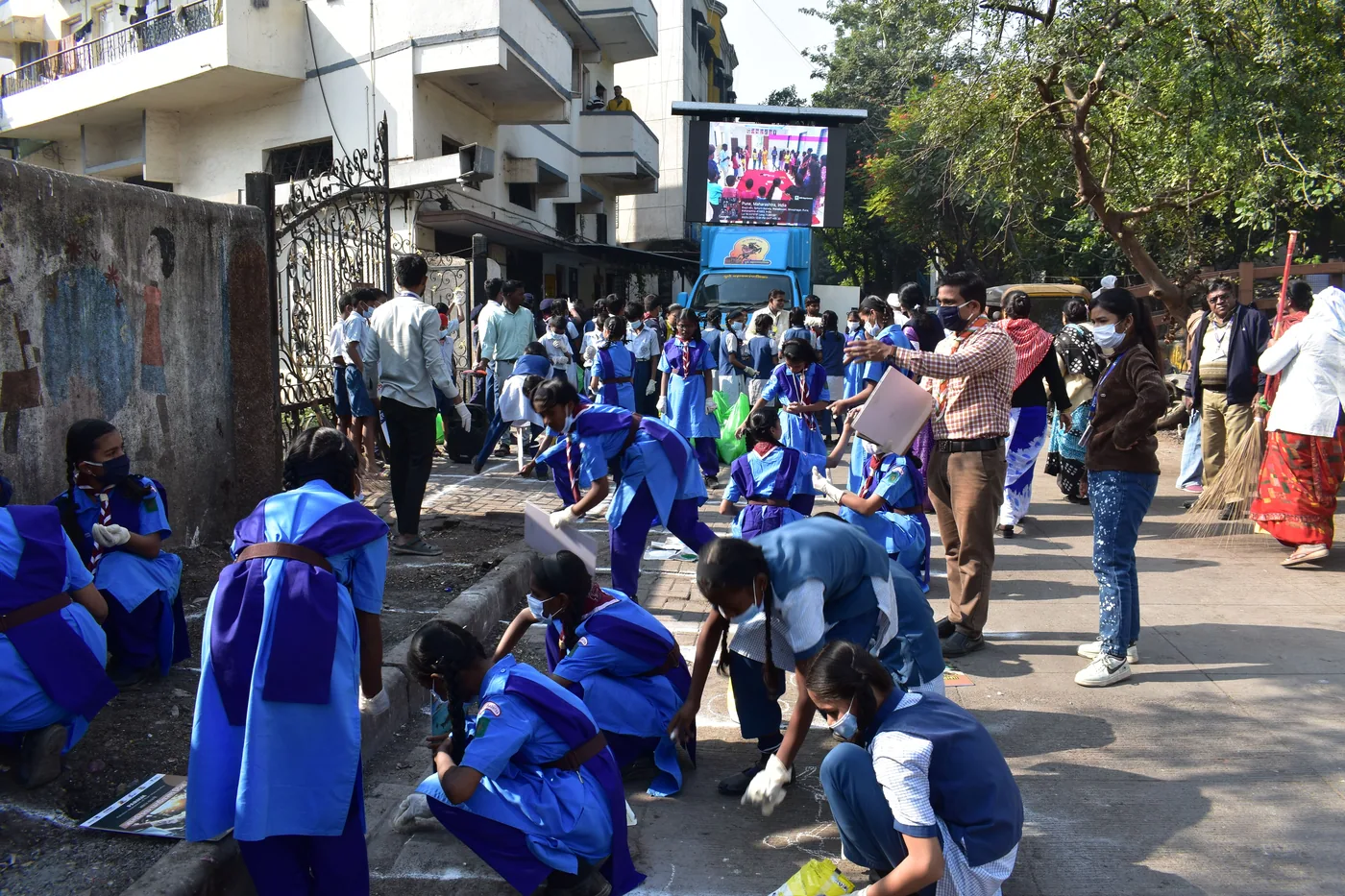
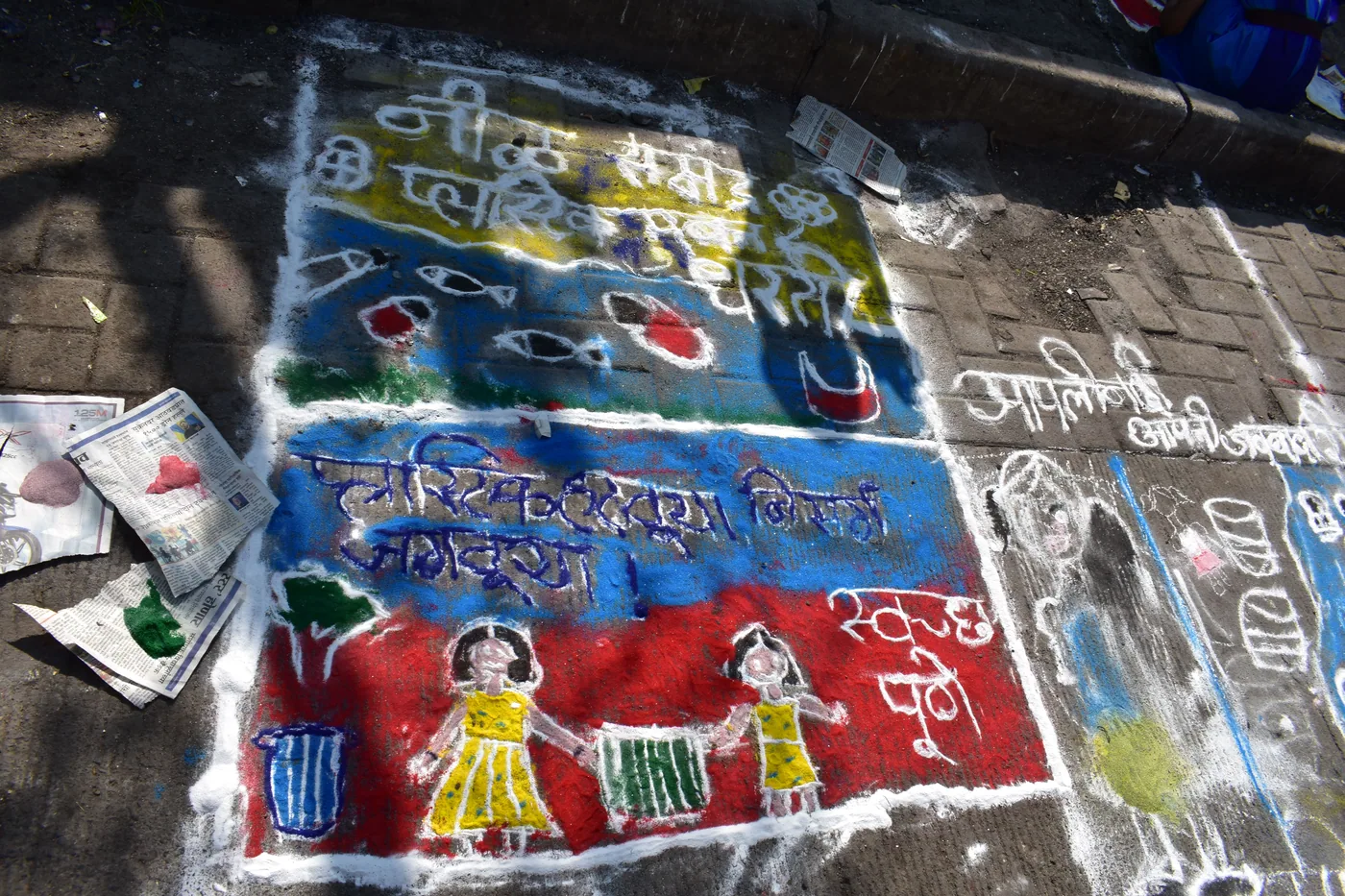
The Public Awareness and Participation team under the PARMM project (Pollution Abatement of River Mula-Mutha) at Shelter Associates marked World Toilet Day across Shivajinagar, Vanaz, and Bopodi with a week of citizen-led activities. School students, residents, civic authorities, and local organisations came together for community toilet clean-ups, neighbourhood clean-up drives, and theatre-based outreach on sanitation and menstrual hygiene. Workshops on the PMC Care App helped residents understand how to report issues and engage directly with civic services.
What made the campaign notable wasn’t only the range of activities but the shift in who held responsibility. Sanitation didn’t appear as something delivered to communities; it became something residents saw themselves shaping and sustaining alongside municipal systems.
For a city that sits at the intersection of rapid growth and river vulnerability, this approach matters.
Infrastructure alone cannot keep neighbourhoods healthy; long-term public health depends on whether people feel equipped and encouraged to participate in the systems that govern sanitation.
Worth a listen!
Liberalising urban planning and engineering livable cities
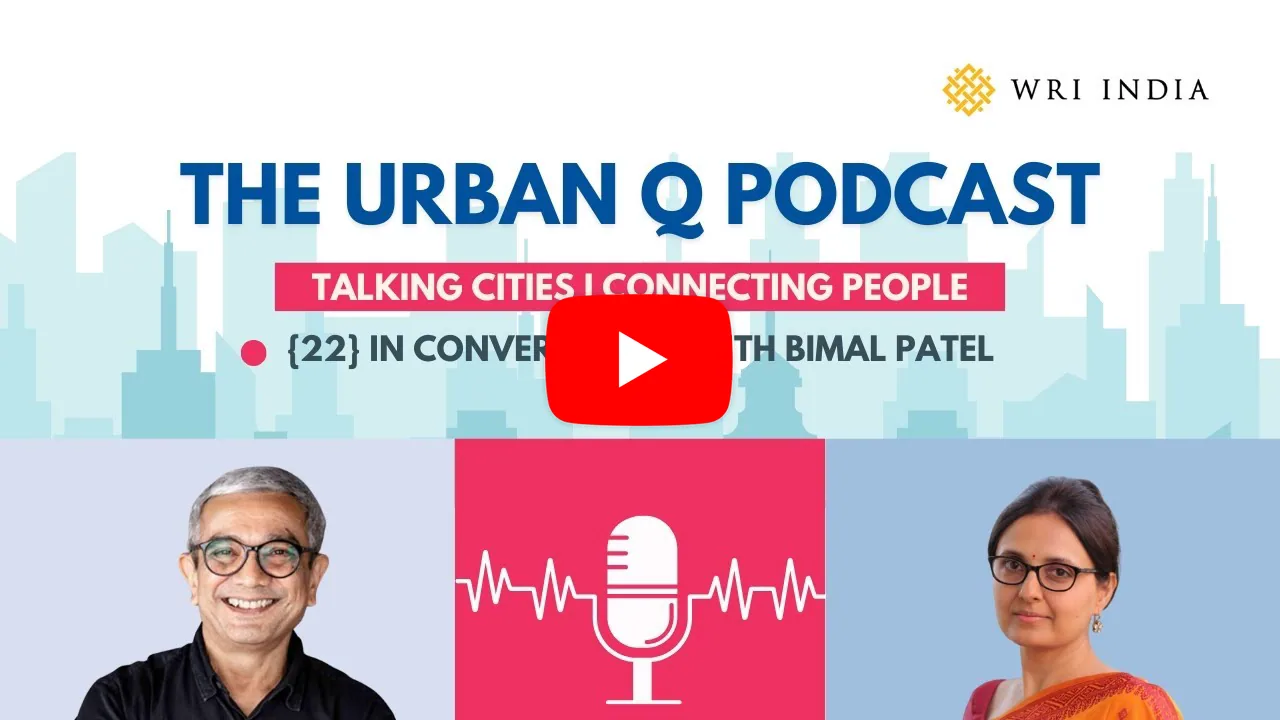
In the latest episode of The Urban Q, architect and urbanist Bimal Patel joins Jaya Dhindaw to challenge some of the most common assumptions about Indian cities.
He argues that:
Centralized control doesn’t create better cities, it slows them down. Real progress needs autonomous city institutions that can plan, raise revenue, and solve problems locally.
Dense, built-up cities aren’t inherently unsustainable, they can be engineered landscapes, designed to work with natural systems and remain resilient and livable.
“World-class infrastructure” isn’t a race; Indian cities benefit more from iterative, incremental improvements that respond to real needs rather than chasing scale for its own sake.
Across the conversation, he reflects on the institutional reforms and planning frameworks that could make Indian cities more autonomous, productive, and sustainable.
Why cities can’t “decongest” their way out of traffic
In this episode of the OoruLabs podcast, Sathya Sankaran takes a clear-eyed look at one of India’s most persistent urban myths: that cities can decongest their roads while still prioritizing private vehicles. He argues that true decongestion is impossible without strong penalties for car use, and introduces Jevons Paradox to explain why making roads more efficient often leads to even more traffic.
The conversation moves beyond infrastructure to the deeper forces that shape how cities move: cultural norms around mobility, the governance reforms needed to plan and manage streets better, and the role the private sector can play in building healthier, more sustainable urban environments.
Does the Greater Bengaluru Authority mean a better Bengaluru?
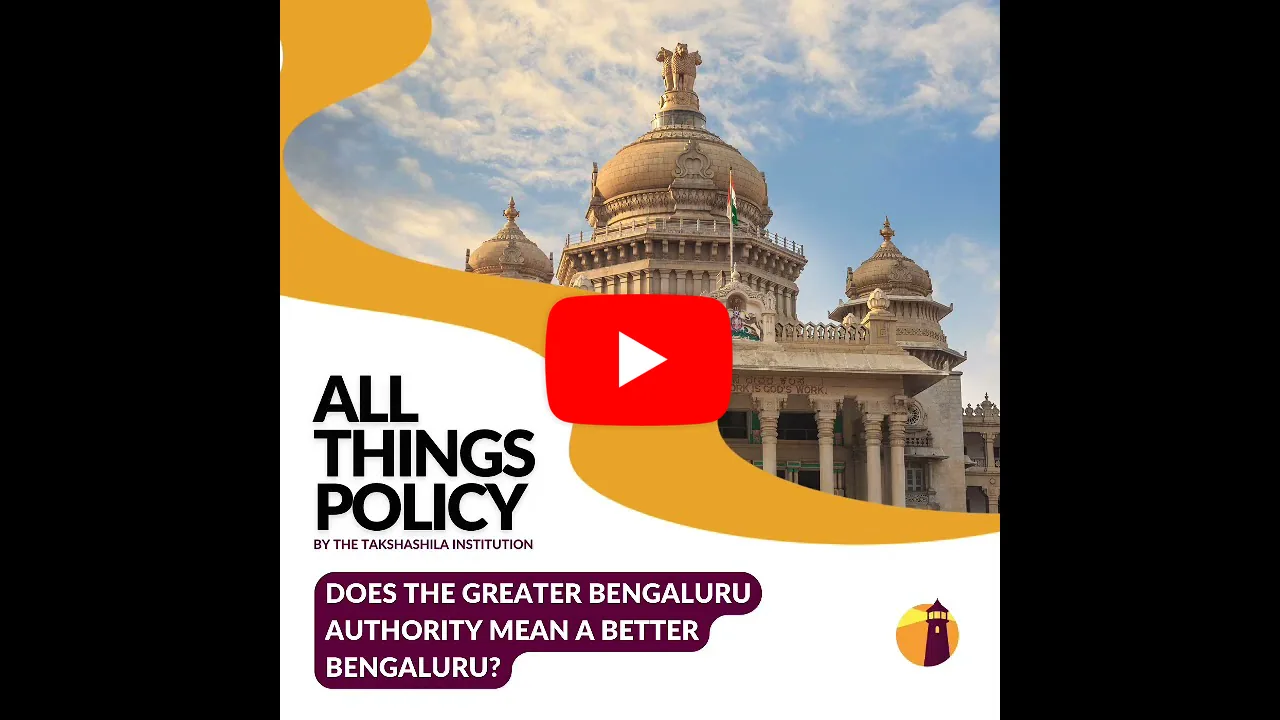
In this episode of All Things Policy, hosted by the Takshashila Institution, Suman Joshi and Bharath Reddy speak with urban governance expert Mathew Idiculla about a major shift in the city’s administrative landscape. On September 2, Bengaluru officially entered a new era with the creation of the Greater Bengaluru Authority (GBA).
The conversation unpacks what this change means for residents: how the GBA alters existing governance structures, what powers it brings together, and how it could reshape planning, service delivery, and accountability in one of India’s fastest-growing metros. It also explores what the reform signals for urban governance more broadly, and the opportunities and tensions that come with centralizing certain functions while hoping to improve coordination.
Metro Metric
45%
of women in India walk to work, compared to 27% of men.
A World Bank toolkit released in 2022 shows why this seemingly simple statistic matters: it reflects how deeply gender shapes the way women move through Indian cities, and how often the city fails to meet them halfway.
Women are among the biggest users of public transport, yet their journeys are shaped by three forces: safety, care work, and time poverty. From getting to the bus stop to waiting at stations, making transfers, and finding a seat, women navigate systems that were never designed with them in mind. Add to this the disproportionate load of unpaid care work, grocery runs, school drop-offs, elder care, and mobility becomes not just about distance, but about dignity, choice, and opportunity.
To help cities respond, the World Bank lays out a clear Four Pillar Framework:
Assess the ground situation: Map how women travel, where they feel unsafe, and what institutional gaps stand in the way of gender-responsive transport.
Strengthen planning and policies: Bring a gender lens into mobility plans, budgets, and everyday decision-making, not as an add-on, but as core planning practice.
Build capacity and raise awareness: Train frontline staff, strengthen institutions, and support campaigns that shift norms and encourage community participation.
Improve infrastructure and services: Design safer public spaces, rethink infrastructure with women’s needs in mind, and upgrade transport services to make everyday travel smoother and more predictable.
The toolkit goes further, offering practical steps cities can act on today: Gender Action Plans, gender advisory committees, stronger grievance redressal systems, one-stop centres at transport hubs, and fully digitised ticketing to make travel simpler and more seamless.
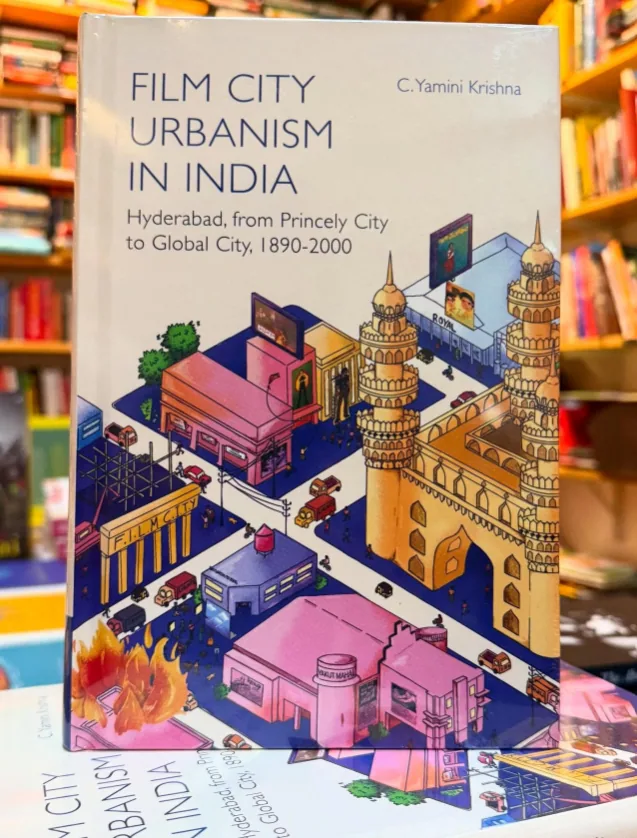
What can a city’s film industry reveal about its political, social, and economic evolution? In her new book, Film City Urbanism in India: Hyderabad, from Princely City to Global City, 1890–2000, C.
Yamini Krishna offers a compelling answer.
Spanning more than a century, the book traces how cinema and the city shaped each other, turning Hyderabad into a unique site where cultural imagination and urban transformation intersect. From its days as a princely capital to its reinvention as a global tech hub, Hyderabad’s urban story unfolds through the lens of the film industry; its capital, labour, studios, and the worlds it created on and off screen.
Krishna draws on archives, oral histories, and industry records to show how cinema didn’t just reflect Hyderabad’s shifting identity, it actively produced it, influencing language politics, social norms, public aspirations, and the city’s economic pathways.
A richly textured social history, this book is a great pick for anyone curious about how culture and urbanism collide, and how cities are imagined long before they are built.
Read or share the original edition
This edition was sent to U-CAN subscribers in November 2025. Download the PDF, or subscribe to get the next one in your inbox.
We use only essential cookies to make this site work. With your consent we would also measure anonymous usage to improve it. You can change this at any time from “Manage cookies” in the footer.