U-CAN Newsletter
As we close the year, we’ve been reflecting not just on what U-CAN hosted or supported in 2025, but on what these moments revealed about how the urban ecosystem learns,…
December 2025
Editor's Note
As we close the year, we’ve been reflecting not just on what U-CAN hosted or supported in 2025, but on what these moments revealed about how the urban ecosystem learns, collaborates, and grows. Across convenings, programmes, and conversations, a common thread emerged: progress happens when we slow down enough to learn together, and stay connected long enough to act.
1. Place, participation, and non-hierarchical spaces change the quality of urban conversations and thinking
What happened:
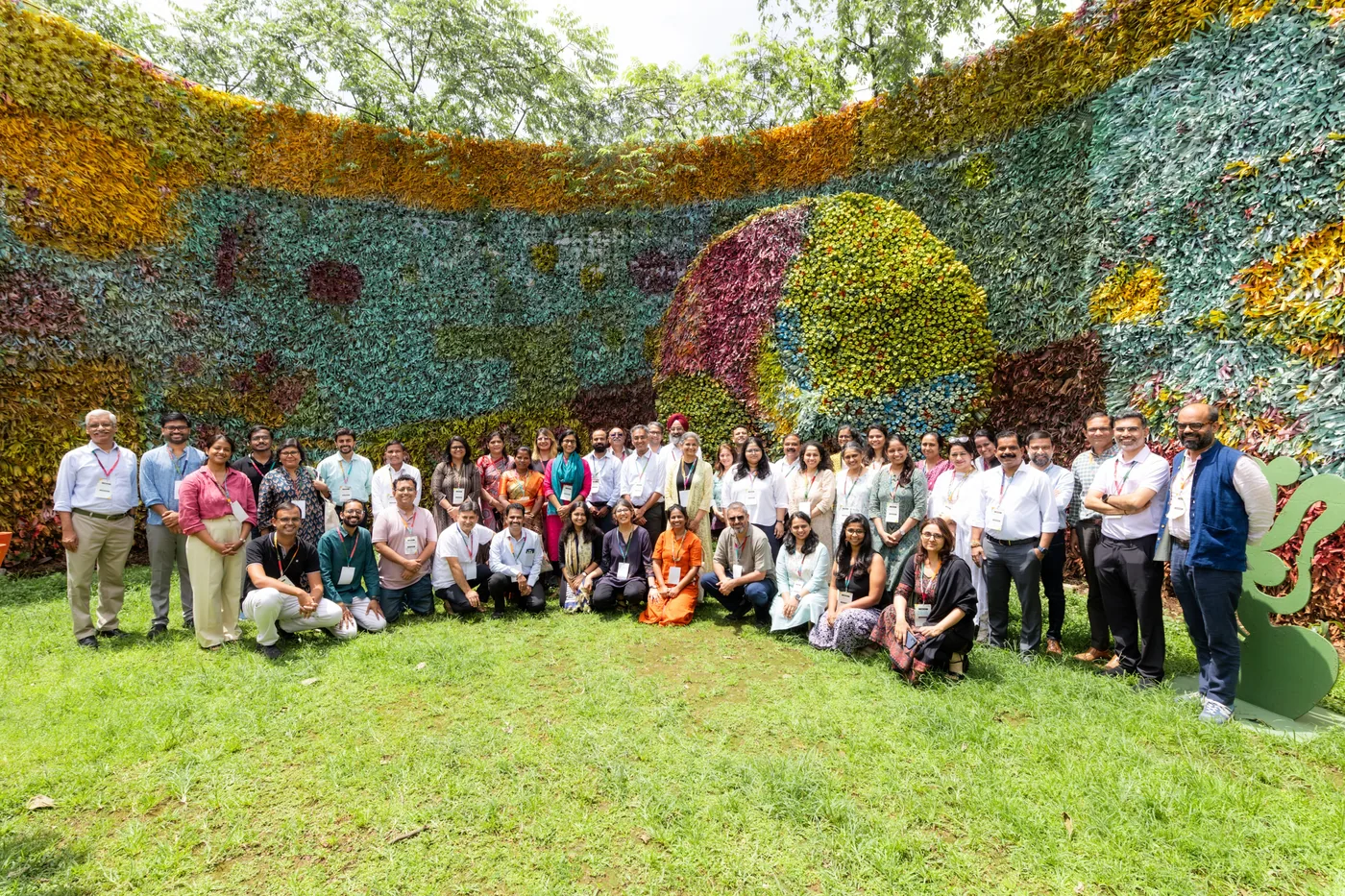
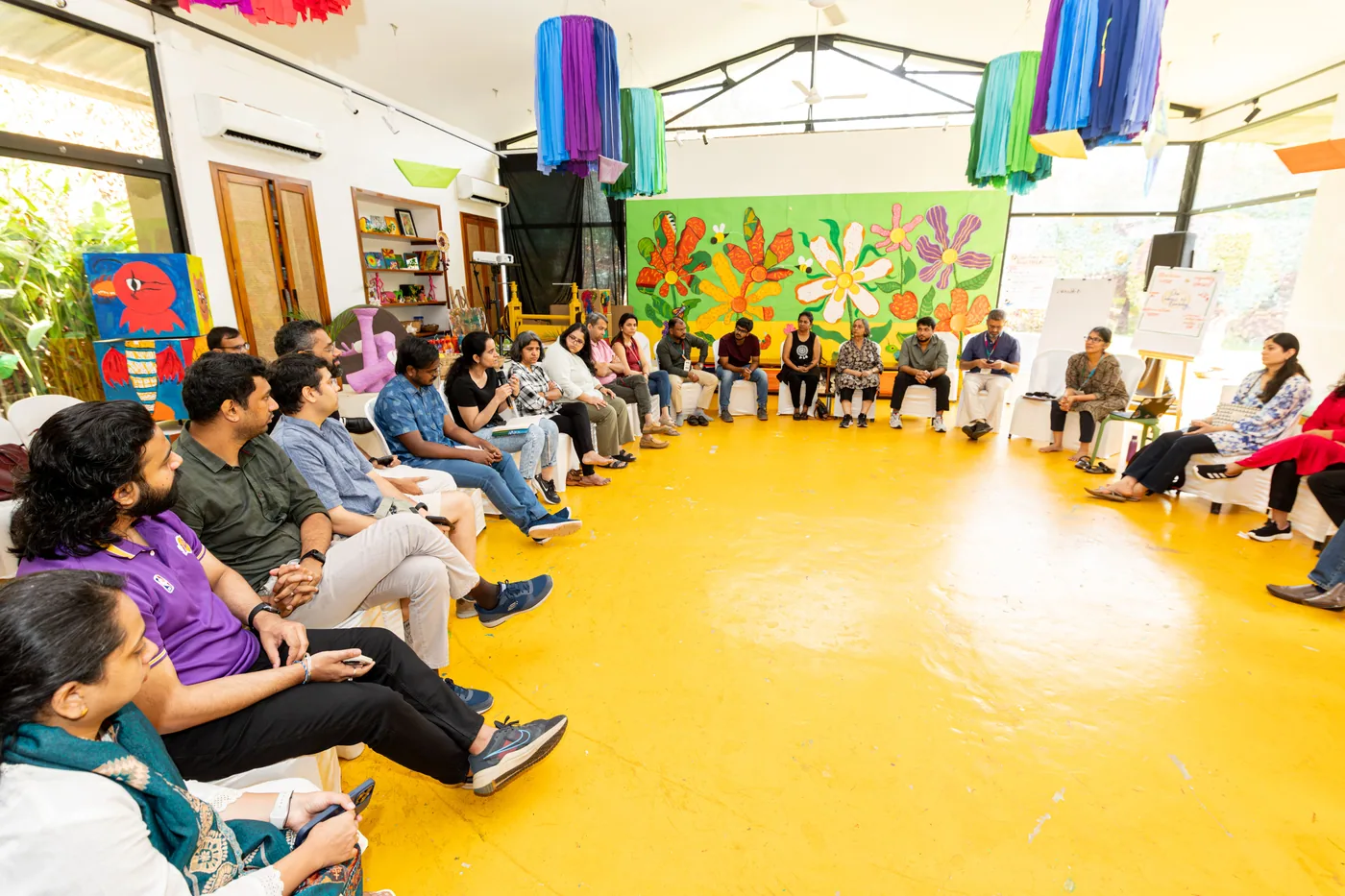
The first-ever U-CAN Annual Forum in Goa brought together 70+ urban practitioners, researchers, funders, and community leaders for three days of dialogue, field immersion, and co-creation.
What it revealed:
Place matters: Hosting the Forum at the Museum of Goa, and stepping into the city through field immersions, shifted conversations from abstraction to lived reality.
Participation changes power: By designing sessions where beneficiaries, filmmakers, and first-time voices were central, the Forum challenged who typically “owns” urban conversations.
Non-heirarchical spaces are not peripheral, they’re productive: Some of the most generative ideas emerged over meals, walks, and unscripted exchanges.
How it shapes what’s next:
The Forum affirmed that U-CAN’s role is not to host bigger conferences, but to curate intentional spaces; small enough to build trust, diverse enough to stretch thinking, and porous enough to seed collaboration beyond the room. This learning will guide how we design future convenings.
2. Shared learning turns projects into collective infrastructure
What happened:
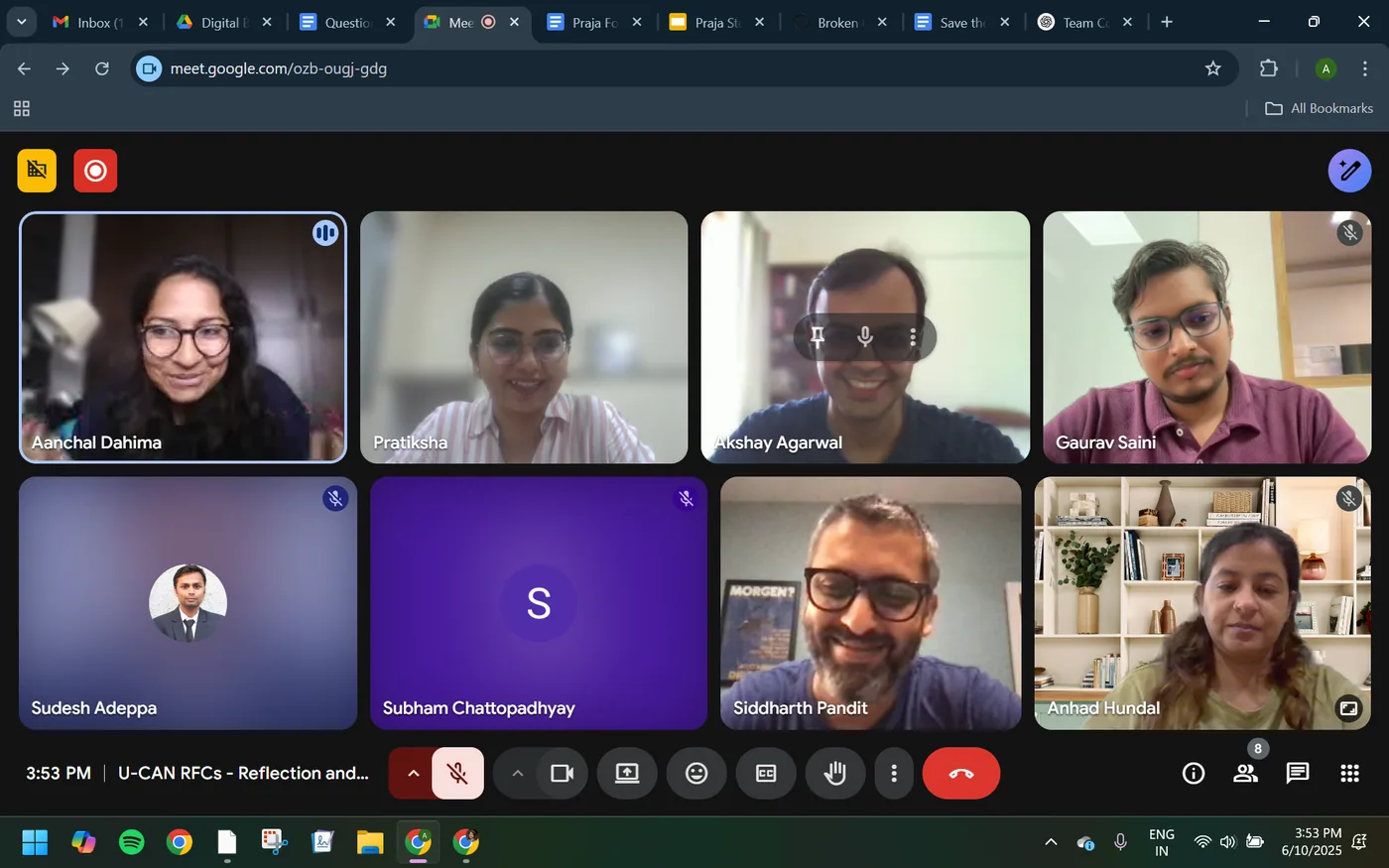
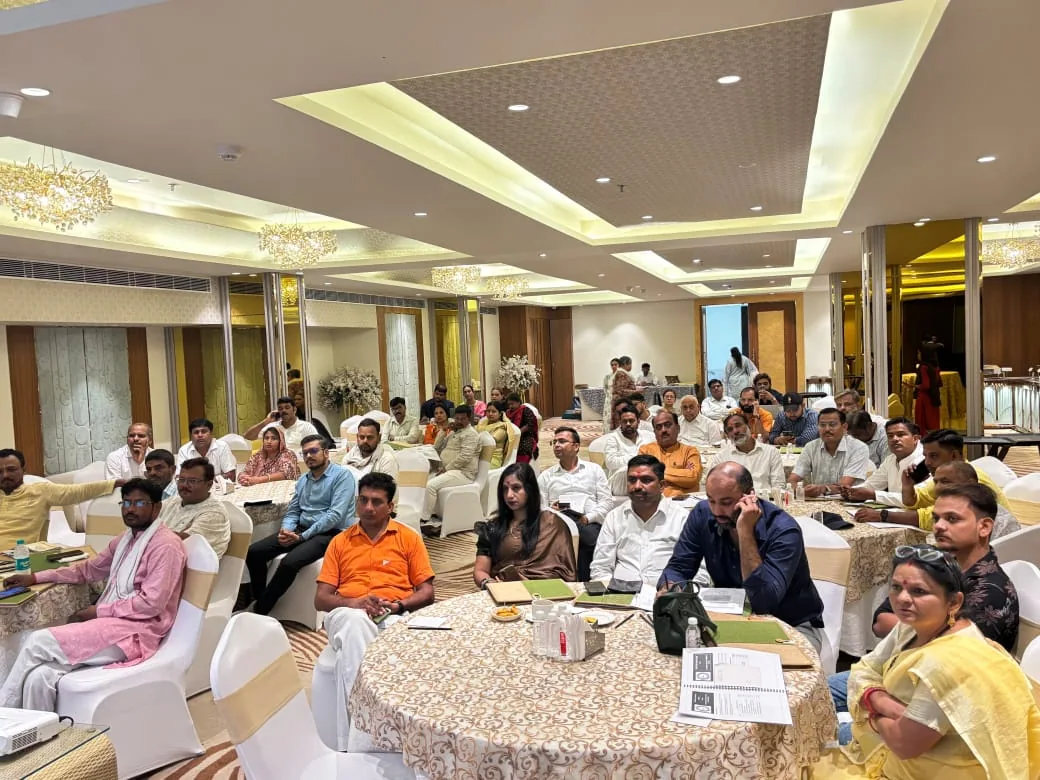
The Requests for Collaboration (RFCs) were designed not just as funding mechanisms, but as shared learning processes, bringing project teams together through reflective peer calls.
What it revealed:
When teams pause to reflect collectively, challenges surface earlier and solutions become richer.
Projects improve when organisations build with each other, not alongside each other.
Some of the most valuable outcomes weren’t planned collaborations, but emergent ones.
How it shapes what’s next:
RFCs have shown us that the network itself is a form of infrastructure. Going forward, future RFCs will continue to emphasise peer accountability, reflection, and cross-pollination, not just outputs.
3. Investing and championing women’s leadership will strengthen our cities
What happened:
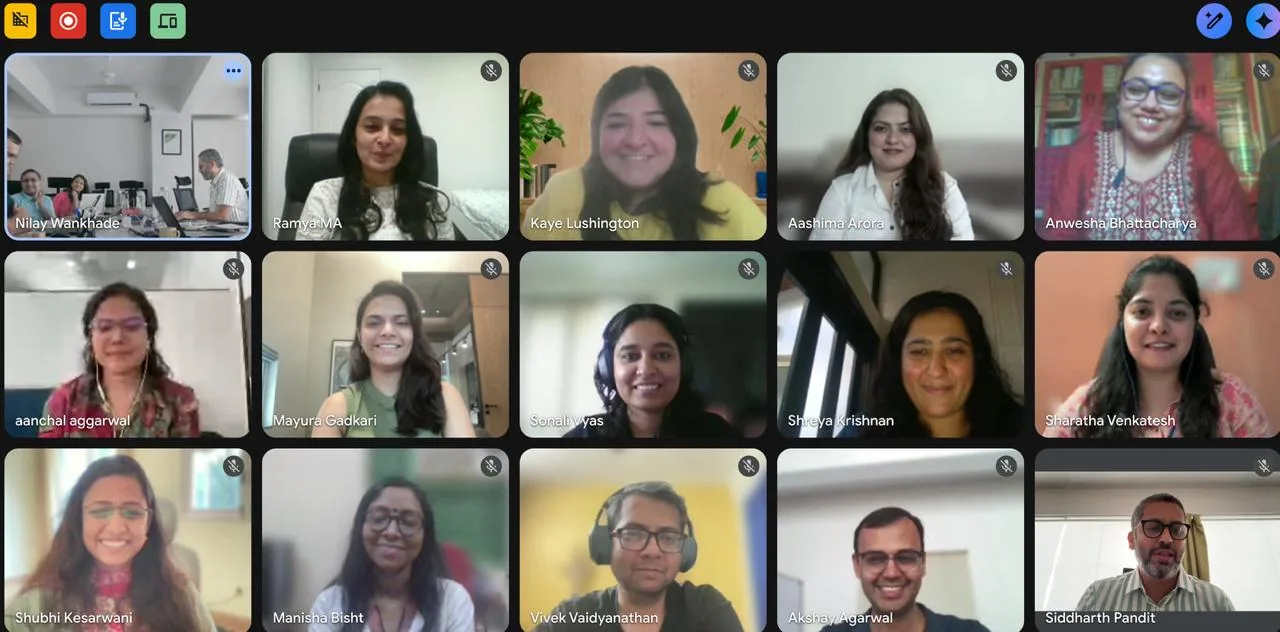
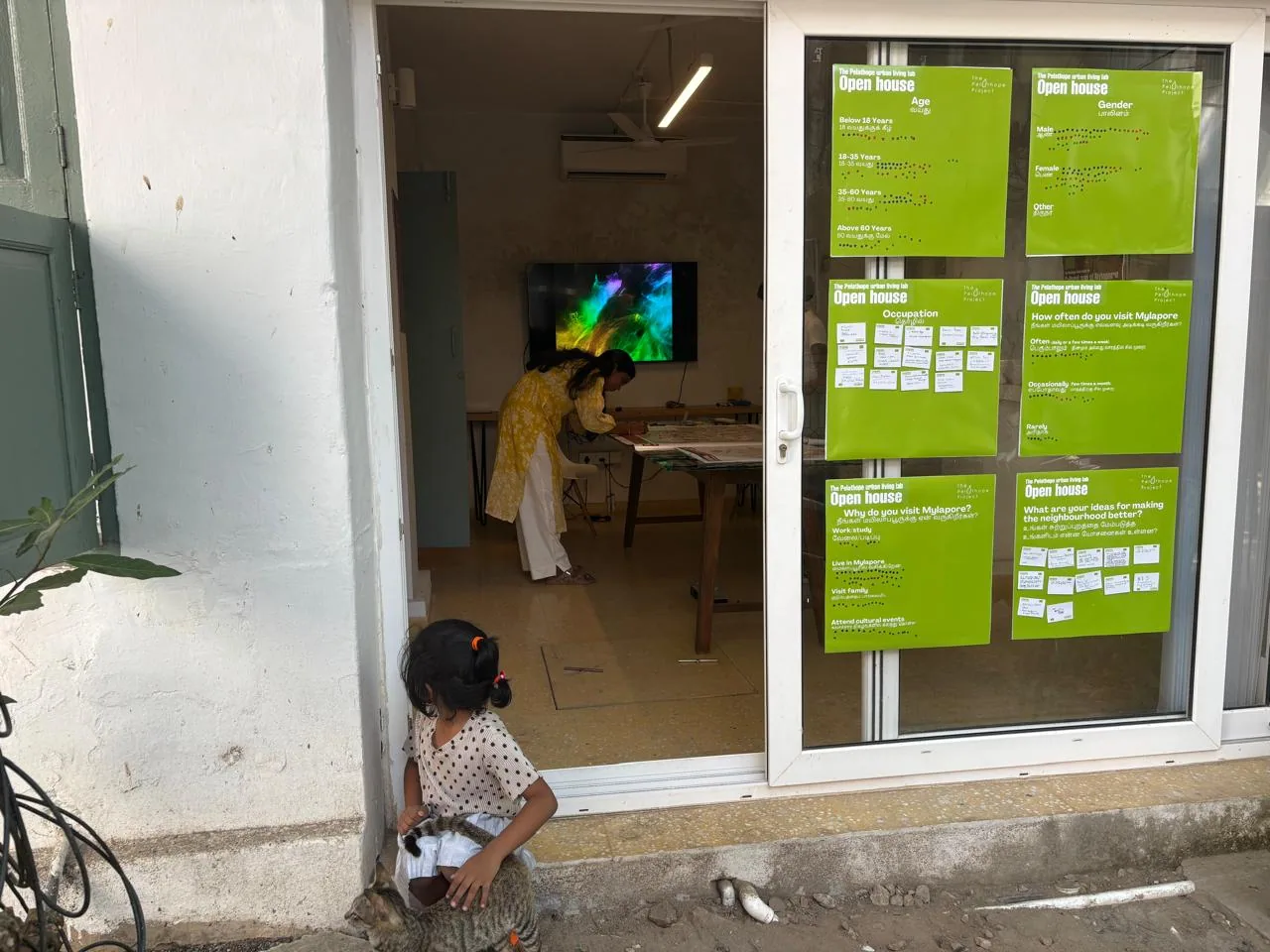
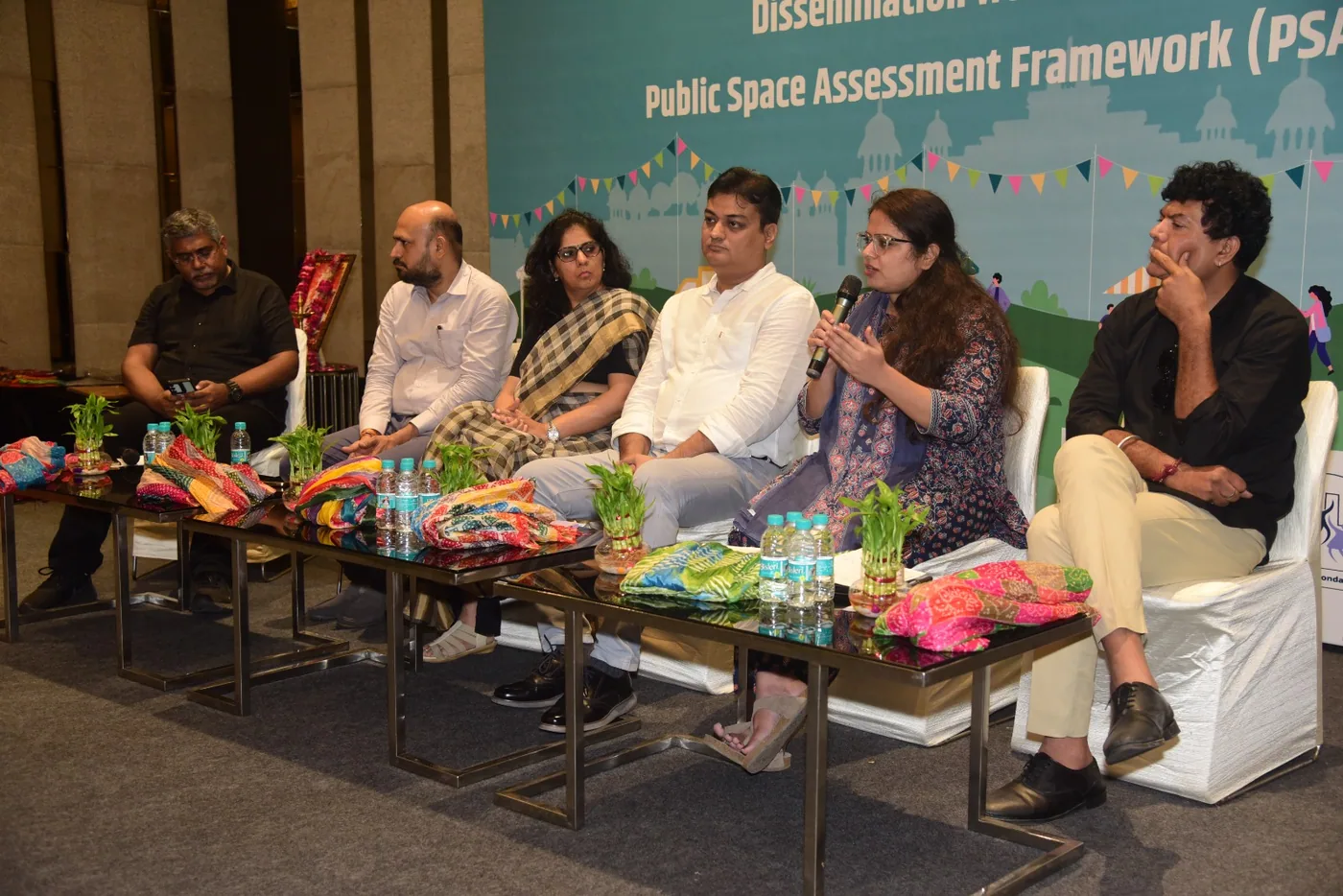
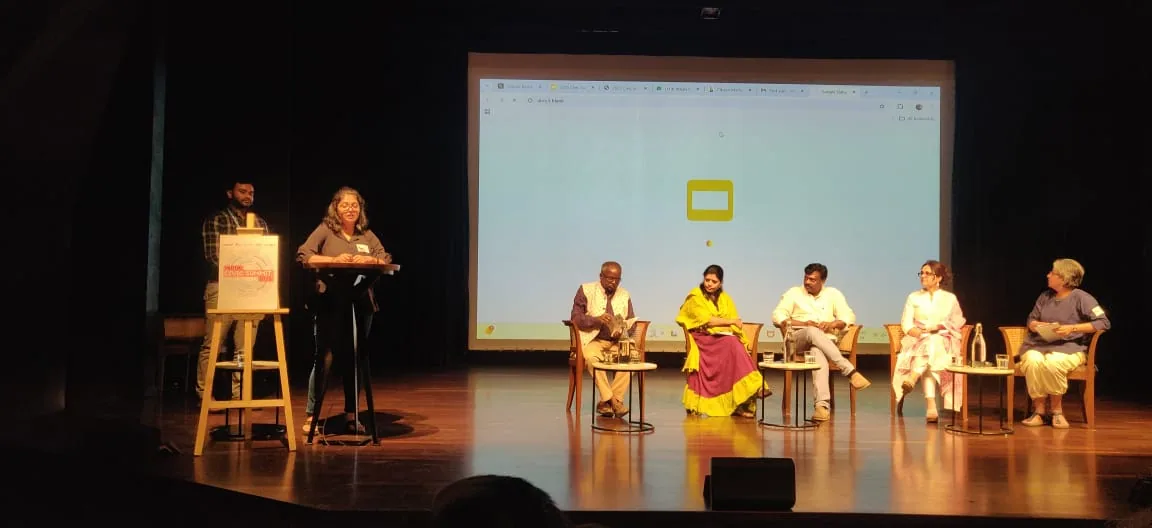
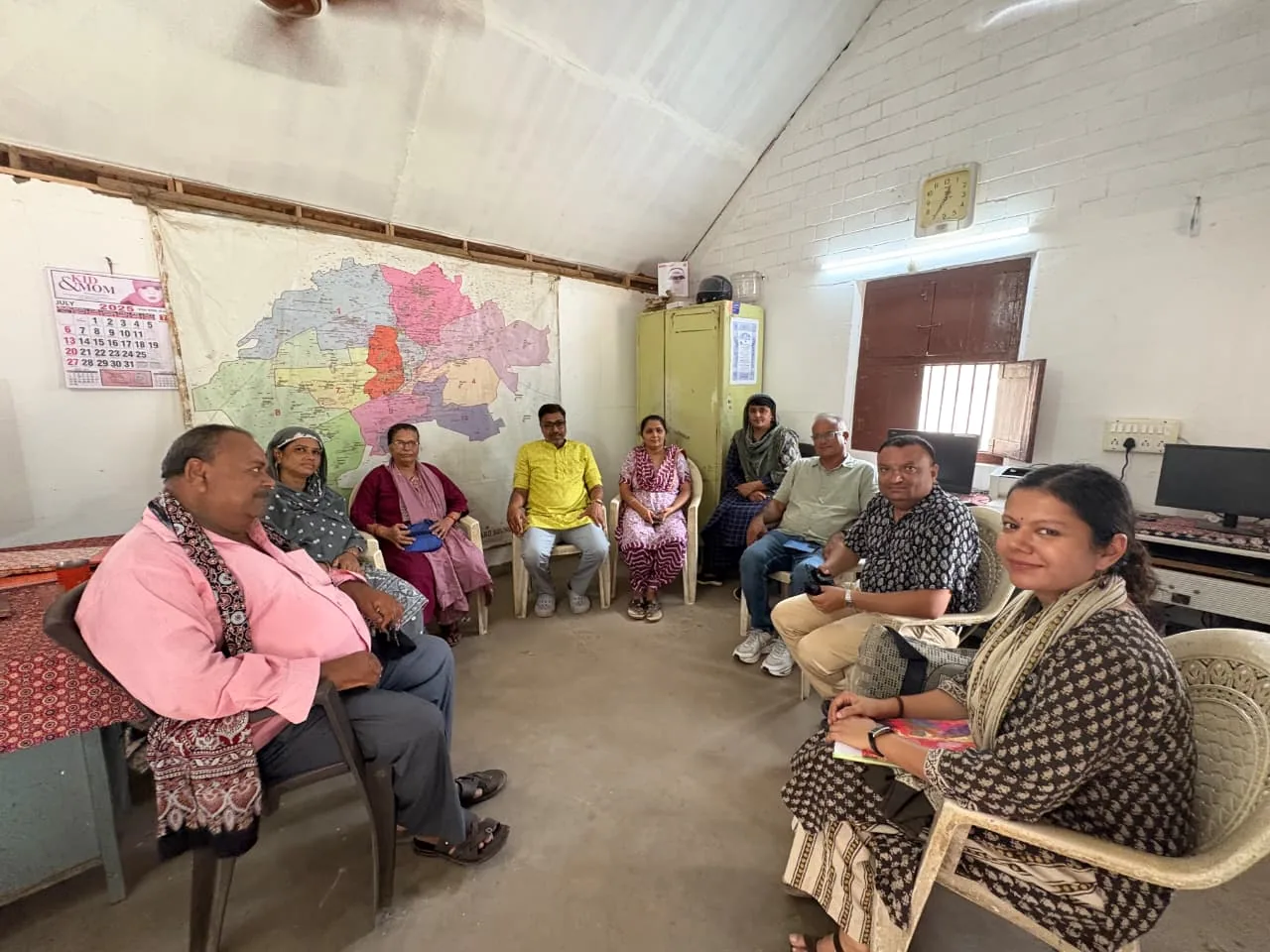
Our inaugural U-CAN fellowship brought together an all-women cohort of mid-career professionals and social entrepreneurs, who embedded themselves within leading urban organisations. Through mentorship, peer learning, and structured reflection, fellows engaged deeply with real-world urban challenges.
What it revealed:
Fellowships work because they create protected space for learning, risk, and transition.
They allow people to step out of linear career expectations, build confidence and clarity, and test new ways of leading while staying grounded in real work.
Who we invest in shapes not just individual trajectories, but the direction, values, and problem-solving capacity of the sector itself.
In a field where women’s participation and leadership remain limited despite their central role in shaping cities, lived experience is not supplementary; it is essential expertise.
Fellows gained exposure, confidence, and leadership clarity, while host organisations benefited from fresh perspectives, cross-sectoral thinking, and renewed momentum.
Leadership pathways in the urban sector are rarely linear, especially for women, and require sustained, intentional support rather than one-off opportunities.
How it shapes what’s next:
The fellowship reaffirmed U-CAN’s commitment to inclusion as a practice, not a principle. By investing in women leaders, the programme contributes to a more diverse, resilient, and collaborative urban ecosystem, one where leadership better reflects the communities cities are meant to serve. This lens will continue to guide how we design future fellowships and leadership programmes.
4. Trust is built through repeated, low-stakes engagements
What happened:
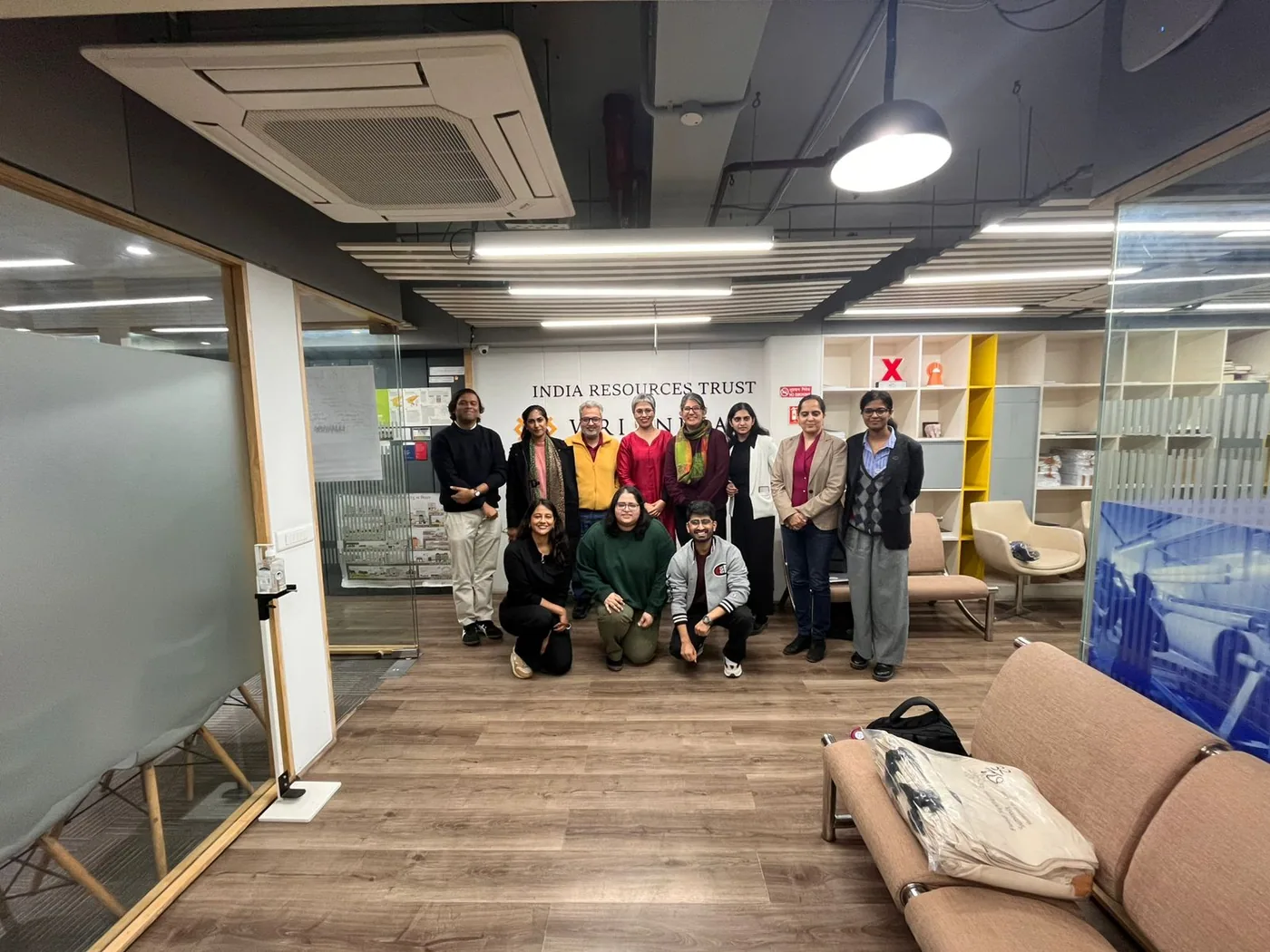
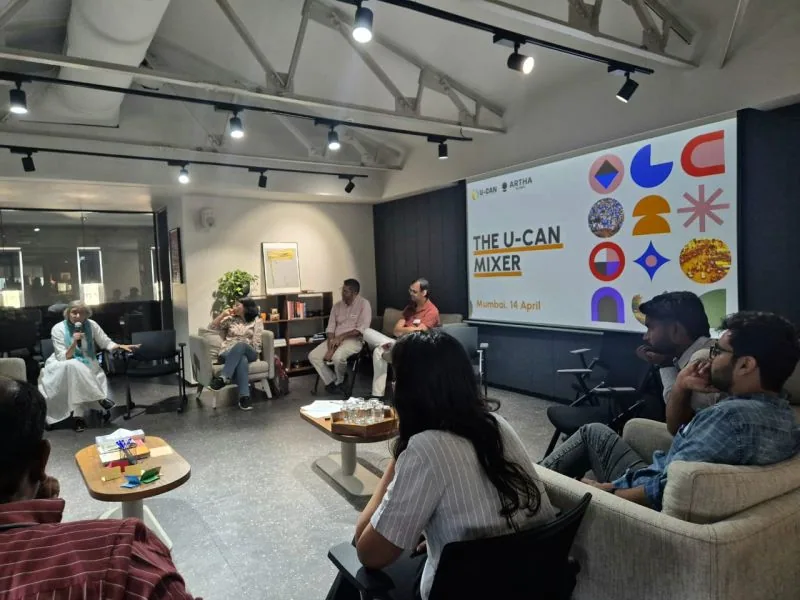
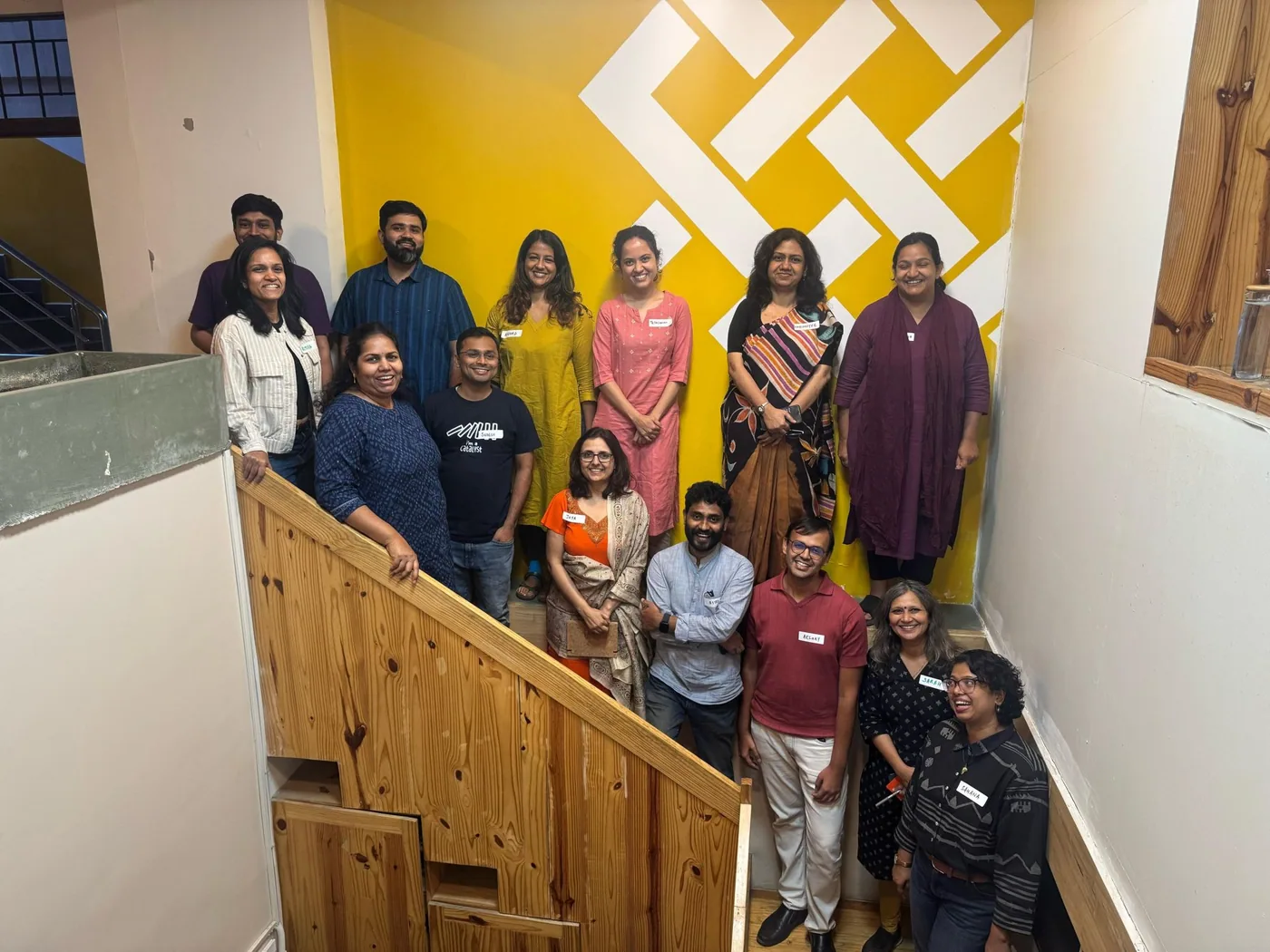
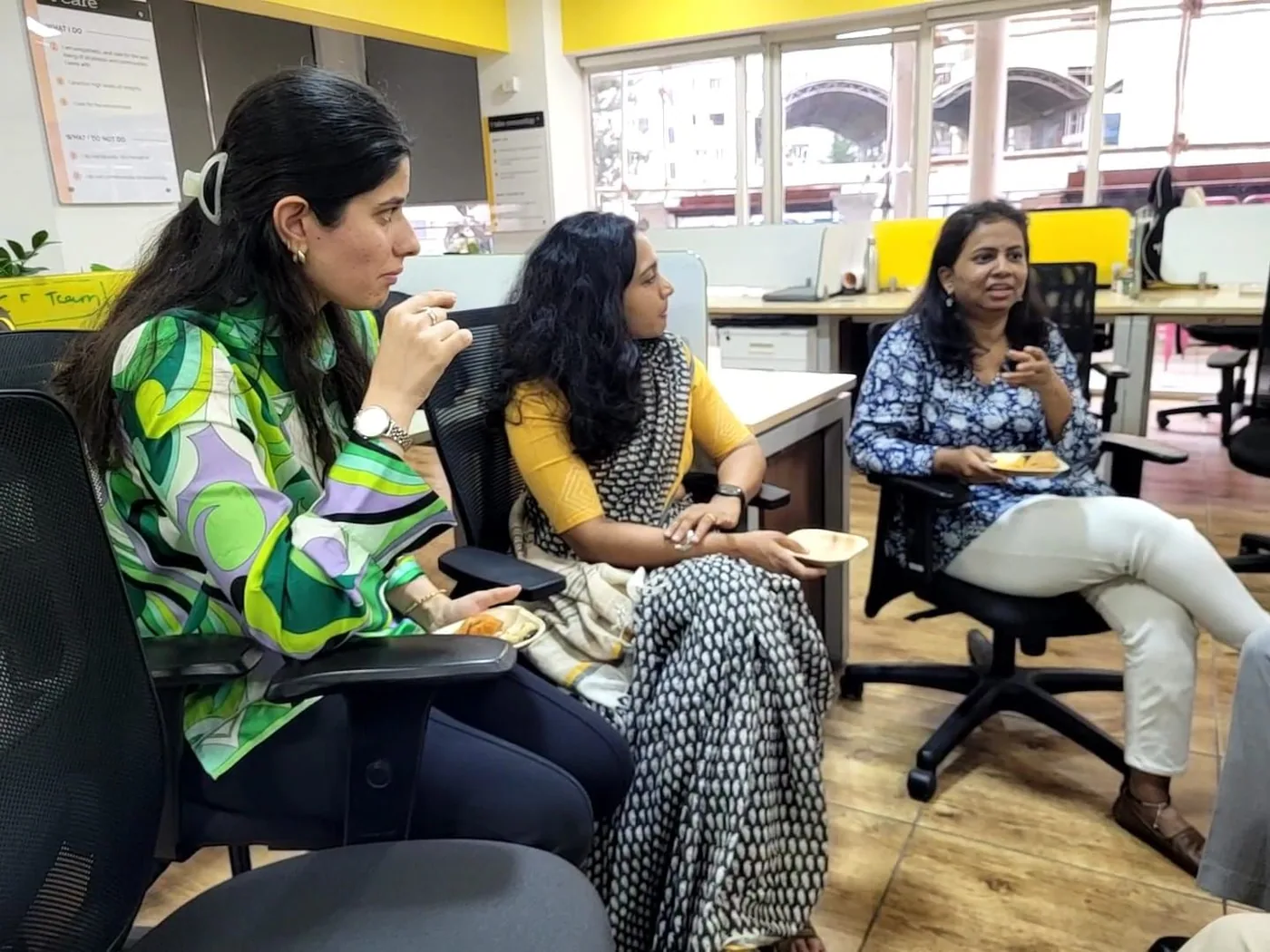
Across cities, U-CAN hosted mixers that brought together members, practitioners, students, and partners, often for the first time in the same room.
What it revealed:
Ecosystems don’t evolve through panel discussions, but through repeated, low-pressure engagements where people can show up without fixed roles or immediate outcomes.
Networks stay healthy only when they remain open to new energy, including new people, questions, collaborations, and pathways into participation, including beyond formal membership.
Opening mixers beyond U-CAN’s core membership brought in fresh perspectives and potential collaborators, expanding what the network pays attention to and who feels able to participate.
"I truly enjoyed the U-CAN mixer at the WRI Delhi office - the format felt refreshing, focusing less on project presentations and more on personal journeys and what inspires our work. It made me reflect on my own path into participatory planning and nature-positive development, and appreciate the opportunity to share and connect with others working directly or indirectly in this space. The ice-breaking games and picture-based discussions helped the group open up organically. I would love to see more such engagements, with deeper conversations on scaling up, shared pain points, and opportunities for mentoring and collaboration."
- Nidhi Batra, Founder, Sehreeti Development Practices Foundation.
How it shapes what’s next:
Mixers have become a reminder that relationships precede collaboration. These gatherings will continue to anchor U-CAN’s city-level presence and experimentation.
5. A shared language built out of diverse thinking enables collective
What happened:
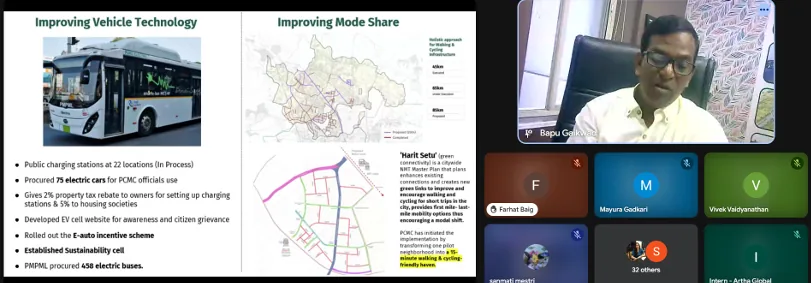
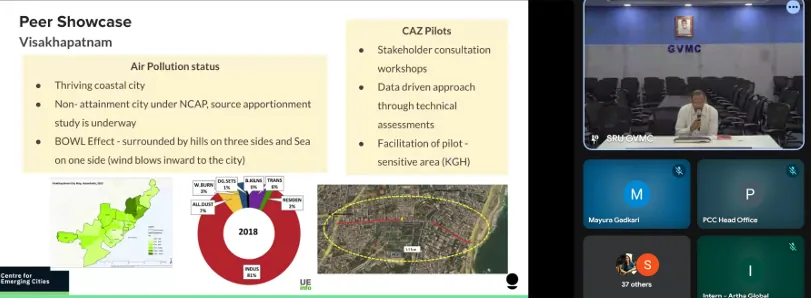
The Learning Network with Artha Global brought municipal leaders and practitioners into a structured, peer-driven learning space, using pilot workshops across states to explore complex questions of urban governance, air quality, and housing through shared case experiences.
What it revealed:
Cities learn best from other cities.
When learning is grounded in lived experience and designed around dialogue rather than instruction, trust builds quickly and participation deepens.
Over time, shared language and frameworks helped participants see their work as connected parts of a larger urban system, not isolated efforts.
How it shapes what’s next:
The Learning Network has sharpened U-CAN’s role as a convenor of collective sense-making.
Future learning platforms will prioritise peer leadership, continuity beyond single workshops, and spaces where cities can think together over time.
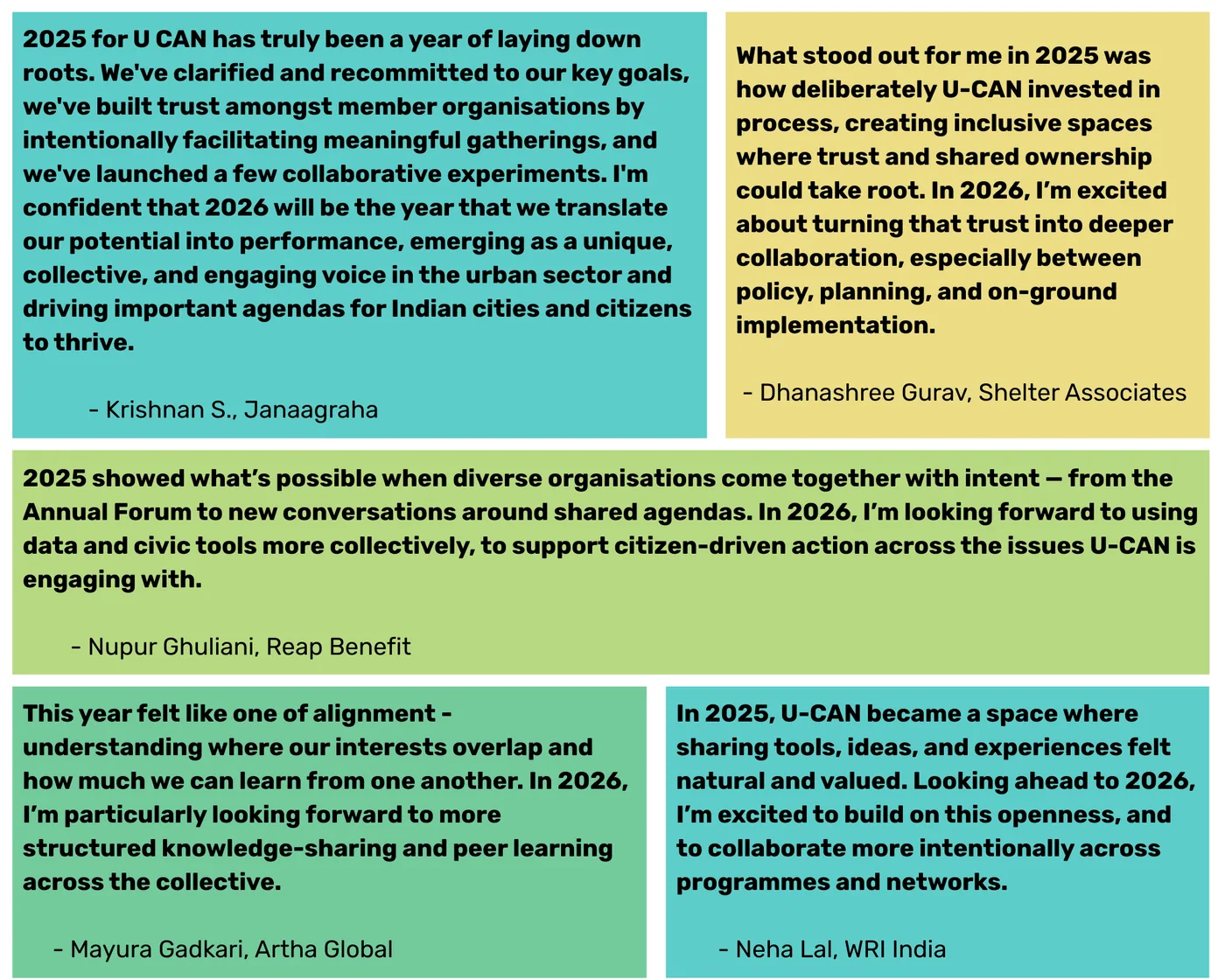
Voices from our Steering Committee
Our Steering Committee actively shapes U-CAN’s direction. Over the past year, members asked hard questions, challenged assumptions, and helped us make more deliberate choices. Their engagement keeps the network anchored in the values it was formed around. Below, a few members reflect on the year that was, and on what they hope the network grows into next.
What this year taught the U-CAN team
Behind every programme and convening is a team learning in real time. Here are a few reflections as we head into 2026:
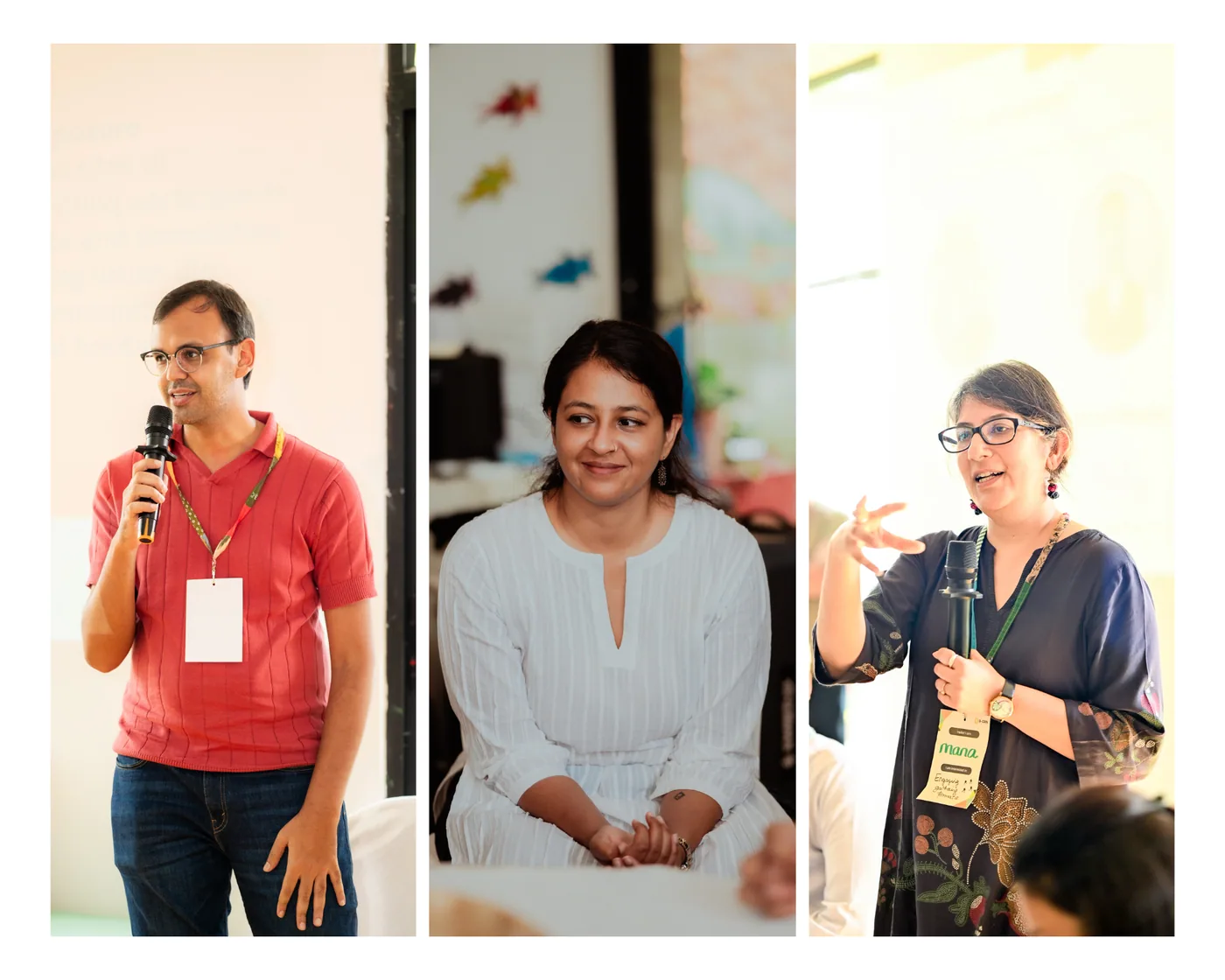
Programmes as learning journeys, by Akshay Agarwal, Lead - Programmes
2025 has flown by. And that, perhaps, means it hasn’t been a mundane year - something or the other has constantly kept me occupied. At the centre of it has been a journey of broadening my own understanding of cities, and of the many organisations working every day to make them better.
This includes not just the nine member organisations who currently form U-CAN, but many others across the country doing remarkable work.
Over the year, I was fortunate to witness some of this work firsthand: the energy and optimism of young people at Praja’s Prajatantra; the intent of over 20 organisations coming together to collaborate in Uttar Pradesh’s cities at a Janaagraha convening; and a walk through the salt pans and mangroves of Panjim, facilitated by One Earth Foundation. Through my work at U-CAN, I was also part of Artha Global’s pilot to build a learning network for small and medium cities, and learnt alongside the eGov and Praja teams as they came together to prototype new ways of enabling engagement between citizens and elected representatives.
All of this is, of course, just a small glimpse of the scale of work unfolding on the ground. But these experiences have given me a renewed sense of motivation and optimism. As we head into 2026, I hope to be part of many more such efforts, in whatever small way I can, and to continue learning from this growing community working for our cities.
Designing for participation, by Manali Shah, Advisor
U-CAN has given me the first row seat to witness how gatherings can shift and connect people and perspectives. It has helped me question my own assumptions about what drives people and organisations to be curious about each other and take intentional action to work together. It has also nudged me to be patient as a facilitator and take as much joy in leading a session as in supporting others to don the "facilitator's hat" and experience the complexity and magic of designing for meaningful engagement. In 2026, I look forward to co-creating more magic and connecting with the U-CAN community.
Telling stories with people, not about them, by Anhad Hundal, Lead - Communications and Partnerships
This year taught me that telling a collective story is both harder, and more important, than telling individual ones. Working on the digital booklet made this especially visible.
By bringing together reflections from nine member organisations on projects that best represent their practice and theory of change, the booklet served as a shared reference point. Members could see their work in relation to one another, and partners could better understand the range and direction of the network as a whole.
More importantly, the process surfaced a key insight: storytelling works best when it is done with people, not about them. The strongest narratives emerged not from extracting quotes or summarising impact, but from conversations where members had time to reflect, disagree, clarify, and decide how they wanted their work to be represented. It reshaped how we approached communications more broadly this year. Inclusion, in this context, meant shared authorship and clarity of intent: making room for different voices, timelines, and ways of framing impact, without forcing everything into a single, polished narrative. What we gained in return was trust, and stories that felt more honest, grounded, and collective.
Looking ahead to 2026, I hope to keep strengthening ways of working that allow members to shape their own stories - at their own pace, and on their own terms.
Read or share the original edition
This edition was sent to U-CAN subscribers in December 2025. Download the PDF, or subscribe to get the next one in your inbox.