U-CAN Newsletter
Continuing from the kick-off of the U-CAN Fellowship for mid-career professionals last month, I'm excited to share that we have expanded the cohort with our social entrepreneurs…
October 2024
Editor's Note
Continuing from the kick-off of the U-CAN Fellowship for mid-career professionals last month, I'm excited to share that we have expanded the cohort with our social entrepreneurs joining the Fellowship this month. We invited our shortlist of entrepreneurs to make a case for their work and be evaluated by a group comprising all our member organisations, making it a truly collective and collaborative effort! Interestingly, both our social entrepreneur fellows' work has a strong community engagement component, which is also the theme of this month's newsletter. In this edition, we'll take a look at how urban residents engage in their cities and the role of technology in enabling it. We highlight some successful initiatives from across the country here. We'd love to hear from you of any initiatives in your city, as we believe that with every story shared, we move a step closer to encouraging people to engage in their neighbourhoods and cities.

Siddharth Pandit
CEO, Urban Collective Action Network · On behalf of U-CAN
U-CAN Initiatives
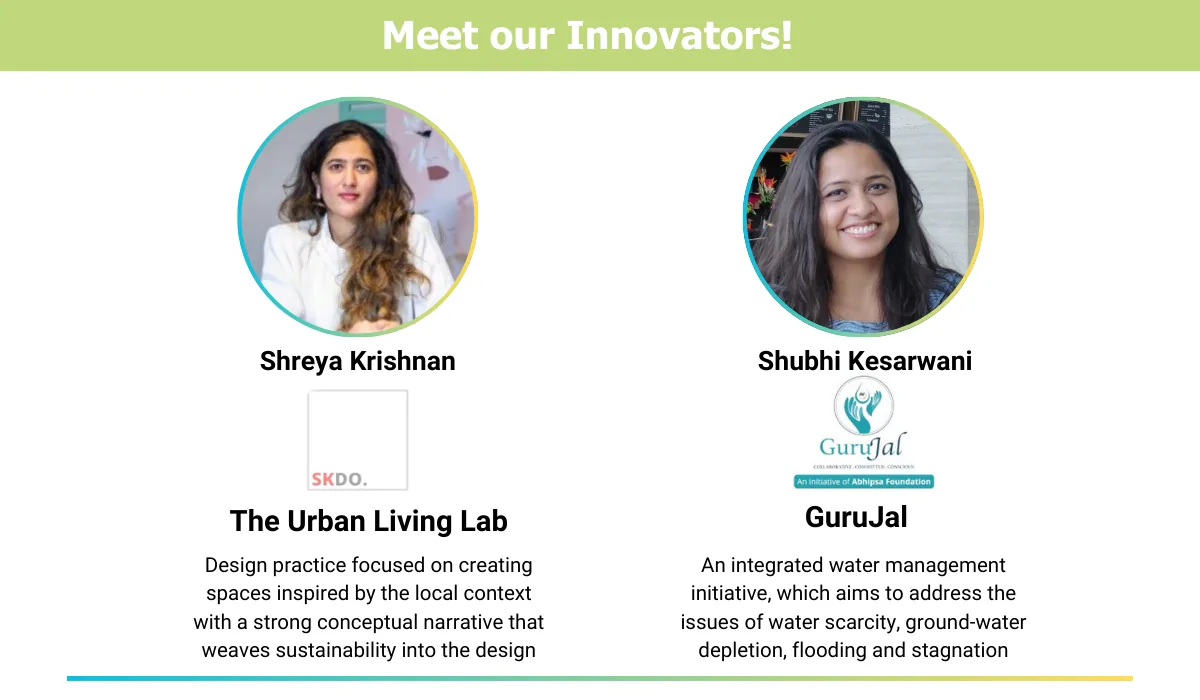
U-CAN conducted an Innovation Showcase to evaluate the shortlisted candidates for the U-CAN Fellowship under the social entrepreneurs track, and are thrilled to have our social entrepreneur Fellows join us for our Fellowship! Their ventures tackle urban environment issues and neglect of historical heritage putting community engagement at the front and centre of their work.
Community Engagement in Urban Governance
Urban residents in India participate in shaping their environments through various channels. These include both individual and collective actions, where citizens take part in local activism or form neighbourhood associations to address urban issues like infrastructure and services. Institutional mechanisms like ward committees offer formal avenues for involvement, while digital platforms have emerged as powerful tools for organizing and voicing concerns. Additionally, partnerships with NGOs and civil society organizations help citizens engage in city planning and policy advocacy, amplifying the voices of marginalized groups. This spectrum of engagement reflects a growing desire among people to influence the future of their cities in meaningful ways. Read this article from the India Development Review to find out more.
E-Governance and Citizen Engagement: Pathways to Resilient and Equitable Cities
The piece emphasizes the necessity of integrating e-governance with active citizen engagement to build resilient, inclusive urban environments. With insights from experts, it explores how digital public infrastructure, integrated transport systems, and smart city initiatives can streamline urban management, improve services, and foster sustainable development. The collection highlights the critical role of participatory governance, the challenges of digital divides, and the importance of local government autonomy and institutional reforms
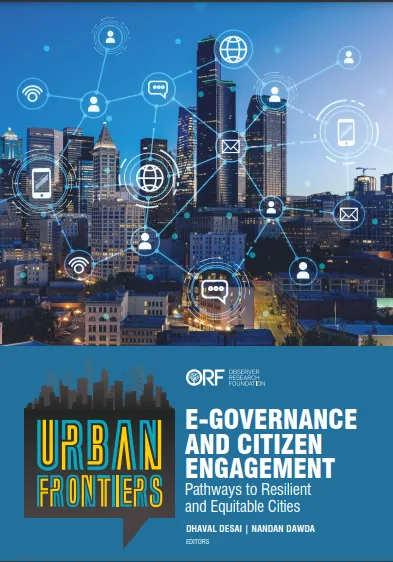
Click on the image above to read more.
A Guide to Community Engagement for Public-Private Partnerships
The guide emphasises the importance of involving stakeholders throughout a project lifecycle. It outlines steps for effective communication, consultation, and collaboration with communities to enhance project success and social inclusion. Key methods include early stakeholder involvement, transparency in decision-making, and mechanisms for addressing community concerns.
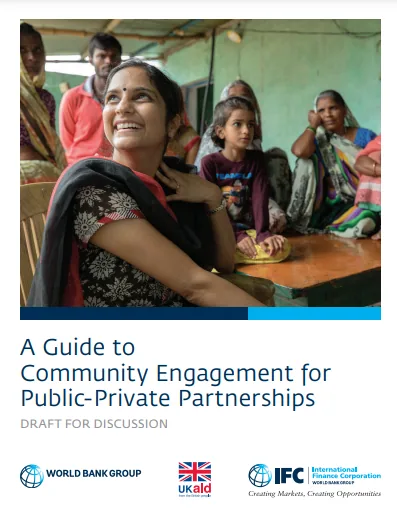
Click on the image above to read more.
Playbook of Fostering Participatory Data Stewardship
The strategy emphasizes sustainability through open, interoperable data systems that enhance multi-stakeholder urban management. By encouraging public sector-led, standardized data- sharing infrastructures, it fosters efficient, secure, and accessible urban governance. This approach promotes sustainable urban development, bridging data gaps in crucial areas like air quality and geospatial mapping, empowering citizen-led initiatives and fostering innovation across sectors. The strategy’s focus on participatory design and accessible technology further enables community involvement, creating inclusive, resilient urban ecosystems.
Suggested readings on Urban Capacity Building
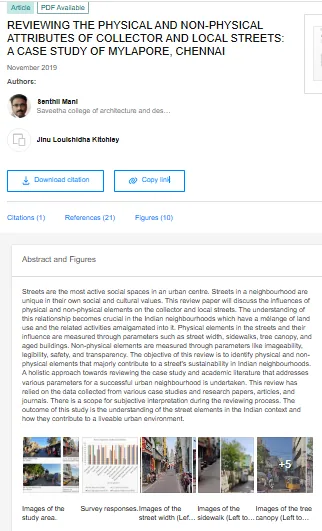
Reviewing the Physical and Non-Physical Attributes of Collector and Local Streets: A Case Study of Mylapore, Chennai
The Mylapore case study in Chennai, India, highlights how urban street design affects community engagement. It examines the role of physical elements (like sidewalks, street width, and tree canopies) and non-physical elements (such as safety, imageability, and accessibility) in fostering social interaction, safety, and neighborhood identity. By creating pedestrian- friendly spaces and preserving heritage buildings, the study illustrates how thoughtful street planning can improve liveability, encouraging more community interaction and shared public space
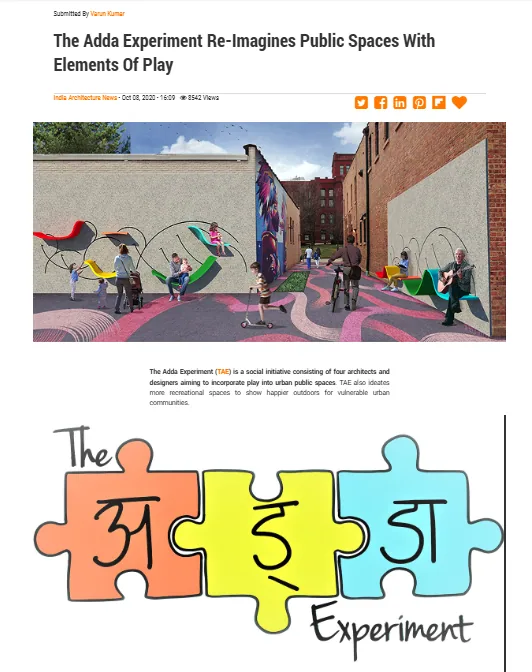
The Adda Experiment Re-imagines Public
The Adda Experiment is a social initiative by architects aiming to revitalize Indian urban spaces by incorporating play and engagement into public areas, especially for underserved communities.
Through community workshops and research, they address the scarcity of recreational spaces and explore how playful, inclusive designs can enhance urban wellbeing. Their work includes collaborative projects, such as those in Delhi, to create child-friendly environments and raise awareness of equitable public space access.
Click on the images above to read more.
U-CAN Member Highlight Mahila Housing Trust

MHT extended a training on the Community-
Based Vulnerability Assessment Toolkit
(CBVAT) to residents of Visat Nagar, Surat. The
training focused on understanding the science of climate change, its historical impacts, and how climate stresses affect local livelihoods. Through hands-on activities and root cause analysis, participants identified key climate challenges in their area and worked together to find solutions to strengthen their community’s resilience.

Shelter Associates
Shelter Associates conducted Menstrual Hygiene Awareness Workshops and distributed cups amongst women across 5 slums in Pune, Navi Mumbai and Thane. These include showing relevant films, playing board games, street plays and songs for more effective engagement. They also conducted FGD with women to understand the condition of community toilets, women’s safety and security, waste management and issues around health and personal hygiene in Sanjay Gandhi Vasahat, Pune.
U-CAN Webinar
U-CAN conducted a webinar on Community Engagement on 18 October, 2024 with Sarah Misra, Senior Director, Fundraising, Finance, and Partnerships, Reap Benefit and Santosh Nargund, Head - Participatory Governance, Janaagraha. The session explored community engagement in our cities with panellists who have successfully demonstrated approaches to involve communities in problem solving.
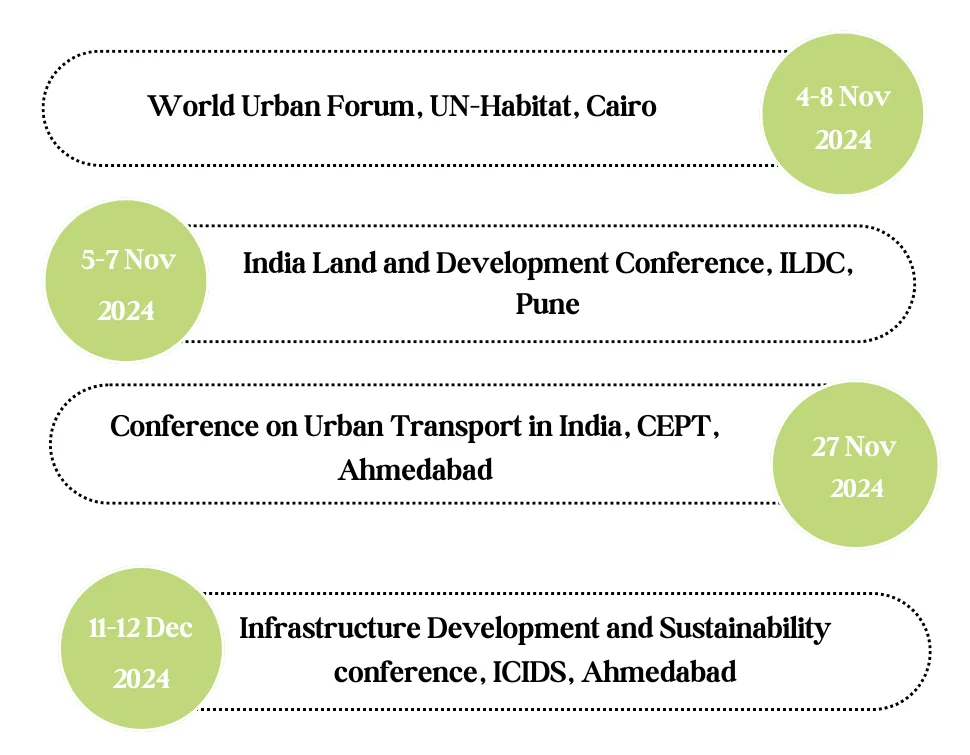
Calendar of Upcoming Events
Read or share the original edition
This edition was sent to U-CAN subscribers in October 2024. Download the PDF, or subscribe to get the next one in your inbox.