
U-CAN Newsletter
As 2024 draws to a close, I take a moment to reflect upon the progress we have made, in this last newsletter for 2024.
November 2024
Editor's Note
As 2024 draws to a close, I take a moment to reflect upon the progress we have made, in this last newsletter for 2024. Our policy webinar series delved into complex issues that plague our cities.
We were able to succesfully launch our Fellowship this year and we are able to place highly capable fellows in our member organisations. We are keen to follow and share the work that our fellows will undertake over the next year. Our website and social media handle on Linkedin was launched in 2024 where the urban community have followed and embraced our purpose, vision and our work. We have started to present our network at various external engagements and we are highly encouraged to know that many organisations have expressed the need for a network like U- CAN that can bring leaders from the urban sector together and build bridges across the organisations. The member organisations continue to support us in our ambitions and the team has worked hard to begin turning the ambitions into reality.
We express our gratitude to all in helping us to build this network and we promise to come back in 2025 with a renewed sense of our purpose. Wishing you a happy, peaceful end to 2024.

Siddharth Pandit
CEO, Urban Collective Action Network · On behalf of U-CAN
U-CAN Initiatives
Fellowship Inauguration
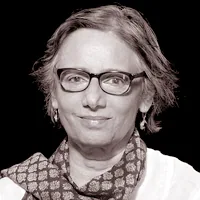
U-CAN inaugurated its fellowship for an all women mid-career and social entrepreneur cohort this month. We were privileged to have Dr. Anita Patil Deshmukh, Executive Director of Partners for Urban Knowledge, Action and Research (PUKAR) as the keynote speaker.
Dr. Anita recalled interesting anecdotes from decades of rich experience and left the audience with nuggets of wisdom on working with marginalised communities in urban areas.
PUKAR is a Mumbai-based organization that champions the production of actionable research by urban communities who benefit from it. It was in the fitness of things that an inspirational women leader, who has been at the forefront of promoting community involvement in urban transformation, inaugurated our all-woman cohort of future urban leaders.
Fellowship Induction Training
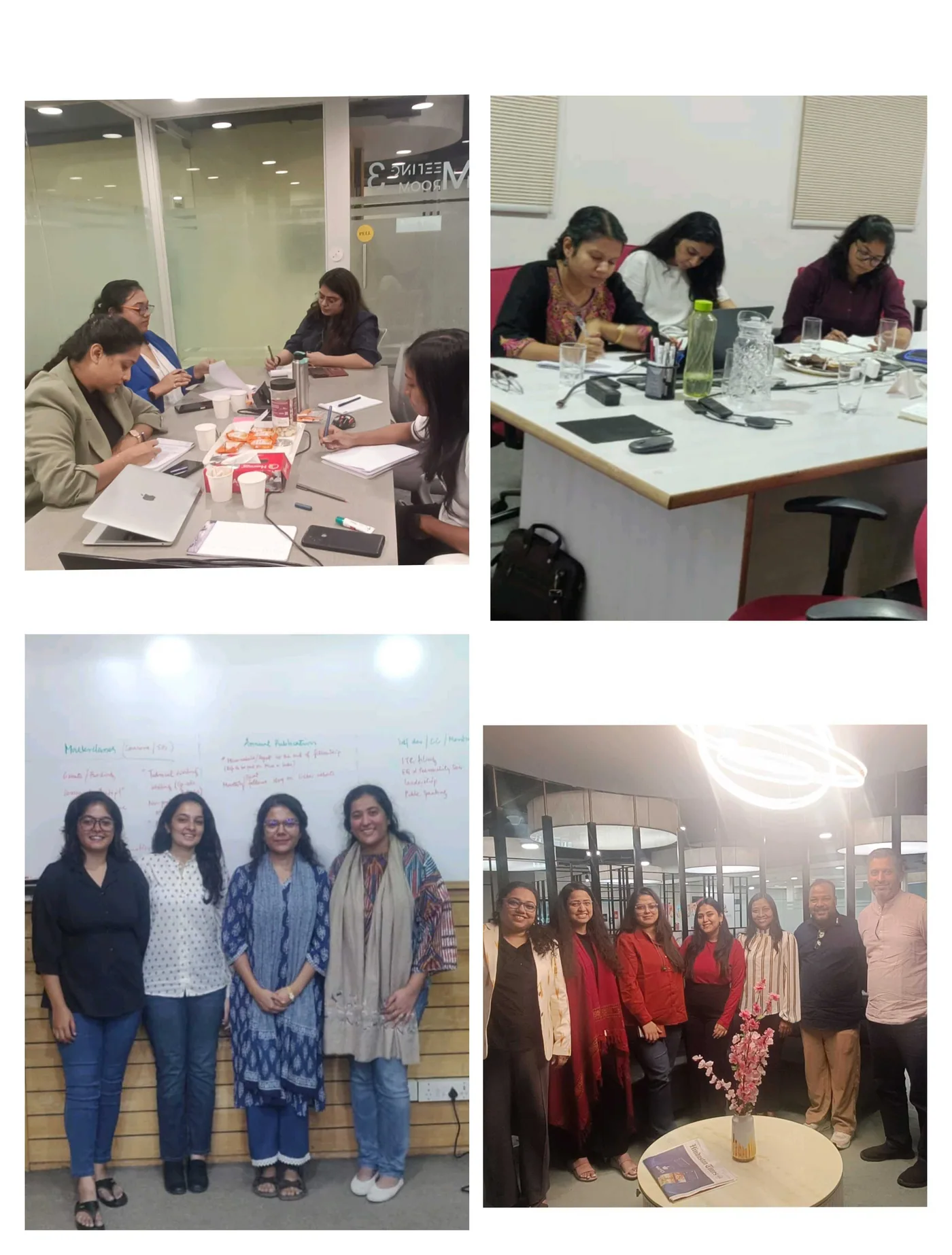
This past month, we even brought our fellowship cohort together to spend two immersive days of getting to know each other, co-creating a plan for the year, and visualising how we can realise our hopes and transcend fears by working together towards a common goal. The two-day induction workshop also saw six of our member organisations that are hosting the fellows inspire us with their impact stories. The time spent in deep conversations and reflections has nudged us in the direction of finding a shared purpose and set us up really well for an exciting year-long fellowship journey.
Urban Climate Action
Indian cities are at the forefront of the climate crisis, grappling with challenges such as rising temperatures, increased urban flooding, and deteriorating air quality. As hubs of economic activity and home to a growing majority of the population, cities contribute significantly to carbon emissions but also hold immense potential for driving climate solutions. While urban India has witnessed promising initiatives, including the adoption of renewable energy, green buildings, and low-carbon mobility systems, the issue of climate action or climate change is a lot more complex. This compendium by WWF India guides you through various aspects of climate change at a global and national level, especially impacts on our cities.
A snapshot of urban green finance in two Indian cities: Case studies of Hyderabad and Kolkata
Indian cities like Hyderabad and Kolkata face climate and population pressures, necessitating innovative green financing for resilient infrastructure. The report from The Cities Climate Finance Leadership Alliance outlines how both cities manage green finance flows across climate-related sectors, despite governance and funding challenges. Hyderabad has implemented renewable energy and waste initiatives but struggles with complex governance layers, while Kolkata sees success in low-carbon transport but needs better governance integration and funding access.
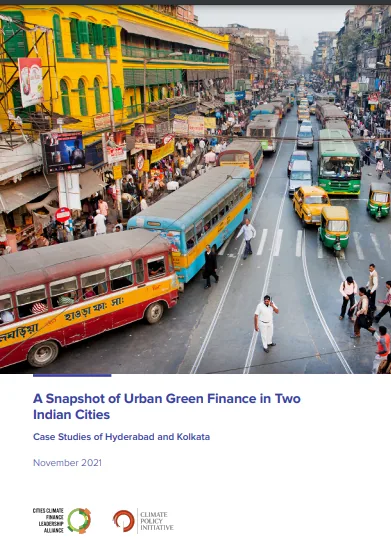
Click on the image above to read more.
From reviving traditional crops to climate-proofing infrastructure: How 5 Indian communities are adapting to climate change
Amidst increasing climate shocks like extreme weather events, grassroots communities are leading adaptation efforts with nature-based solutions, traditional practices, and local collaborations. Stories from regions like Kerala, Maharashtra, Rajasthan, Odisha, and Mumbai showcase resilience through initiatives such as flood-proofing infrastructure, drought adaptation, rainwater harvesting, traditional crop revival, and community-led disaster preparedness, emphasizing the need for collective action and climate-resilient infrastructure.
EPIC engages leading Indian experts as first ‘Clean Air Champions’ to strengthen localised air quality efforts
EPIC - The Energy Policy Institute at the University of Chicago (EPIC) has launched the Clean Air Champions, an advisory group of Indian experts, to provide localised insights and amplify its efforts to improve air quality. This group will support EPIC’s flagship Air Quality Life Index (AQLI), which links air pollution to life expectancy, and advance data-driven solutions for cleaner air.
Comprising leaders from diverse fields, the Champions aim to drive policy changes and public awareness in India, with plans to expand to other polluted regions globally.
Climate Change and Cities: Learning Series
WRI India's 10-part E-learning series, launched with MoHUA, NIUA, alliance partners, and city authorities, aims to enhance cities' understanding of climate change and their role in driving climate action through policies, programs, and projects. It fosters peer learning, expert engagement, and opportunities for long-term collaborations to advance urban climate initiatives across India.
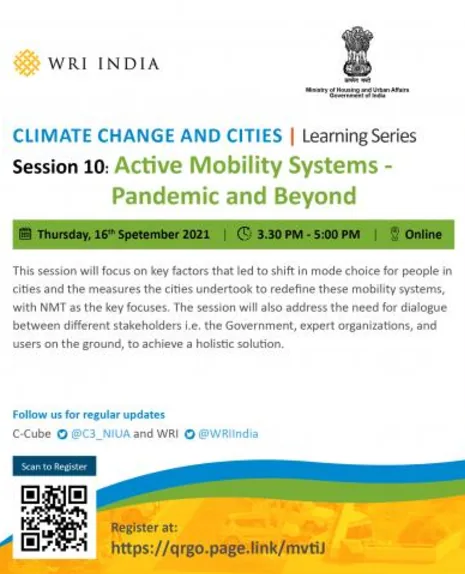
Click on the image above to read more.
Suggested readings on Urban Climate Action
Clmate Risk Atlas - India Climate
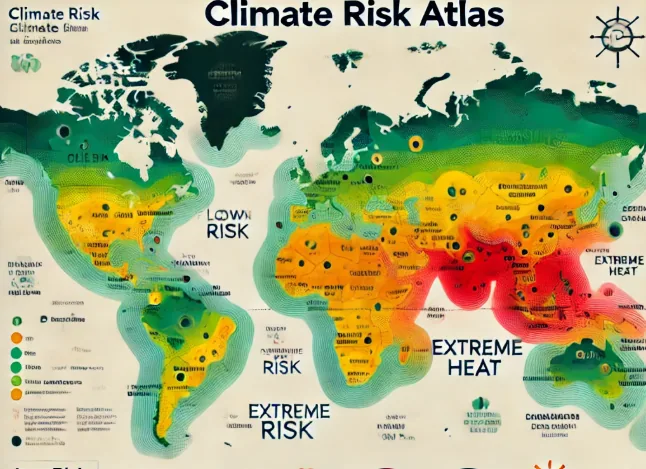
The Climate Risk Atlas by CEEW is a comprehensive toolkit aimed at mapping local climate vulnerabilities across India to support informed decision-making and build resilience.
Launched in 2020, it leverages tools like the Climate Vulnerability Index (CVI) to assess district-level risks from floods, droughts, and cyclones, revealing that 75% of districts face extreme weather hotspots. The Atlas has influenced state-level climate action plans, including Maharashtra's, and piloted initiatives like heat action plans in Thane and capacity- building in Rajasthan.
Climate action plans for India’s emerging

The article discusses the critical role of climate action plans (CAPs) in building resilient cities amidst rapid urbanization and escalating climate challenges in India. It highlights the example of Mira Bhayandar, a city implementing a CAP under the Aga Khan Agency for Habitat’s Urban Habitat Risk Resilience programme. CAPs involve steps like assessing climate risks, establishing greenhouse gas (GHG) baselines, and planning inclusive strategies for mitigation and adaptation. Key success factors include integrating resilience into early city development, leveraging open spaces for sustainable solutions, stakeholder engagement, and securing funding. Effective CAPs can transform urban centers into models of sustainability and climate preparedness.
Navigating India’s Climate Future Climate projections for India (2021 — 2040)*
Azim Premji University has curated high-
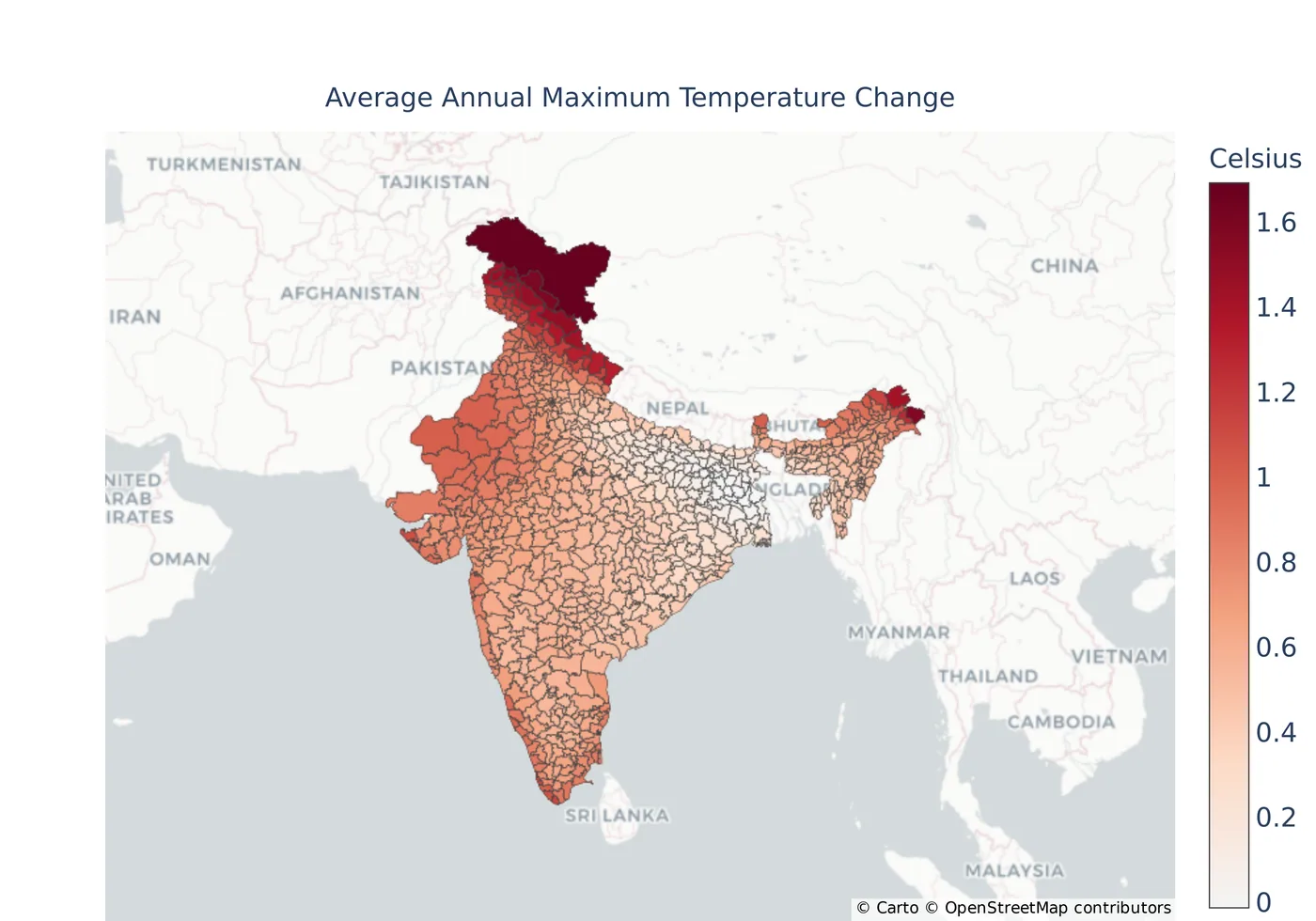
resolution climate projections for India, using CMIP6 data, offering detailed insights into the country's changing climate at a 25x25 km scale, aiding stakeholders in developing targeted resilience strategies. They emphasise the urgency of addressing a 1.5°C global temperature rise, which threatens India's ecosystems, agriculture, economy, and public health, underscoring the critical need for localised adaptation and mitigation efforts.
Click on the images above to read more.
U-CAN Member Highlight Mahila Housing Trust

MHT extended a training on the Community-
Based Vulnerability Assessment Toolkit
(CBVAT) to residents of Visat Nagar, Surat. The
training focused on understanding the science of
climate change, its historical impacts, and how climate stresses affect local livelihoods. Through hands-on activities and root cause analysis, participants identified key climate challenges in their area and worked together to find solutions to strengthen their community’s resilience.
The C40 Cities Climate Action Guideis your go-
to playbook for designing cities that are greener,
resilient, and future-ready. Think compact, vibrant neighbuorhoods with bustling streets for people— not just cars. Envision renewable energy hubs, lush green spaces soaking up carbon, and climate solutions that lift everyone, especially vulnerable communities. Collaboration and creativity can transform urban landscapes into climate champions! Dive into these powerful strategies and be the change for our cities' sustainable future.
U-CAN Webinar
U-CAN conducted a webinar on Understanding Urban Climate Action in India on 22 November, 2024 with Jaya Dhindaw from WRI India and Shruti Narayan from C40 Cities.The session explored why urban centers are essential players in addressing climate challenges, while identifying the key stakeholders driving these efforts, and unpacking the significant barriers they encounter along the way.
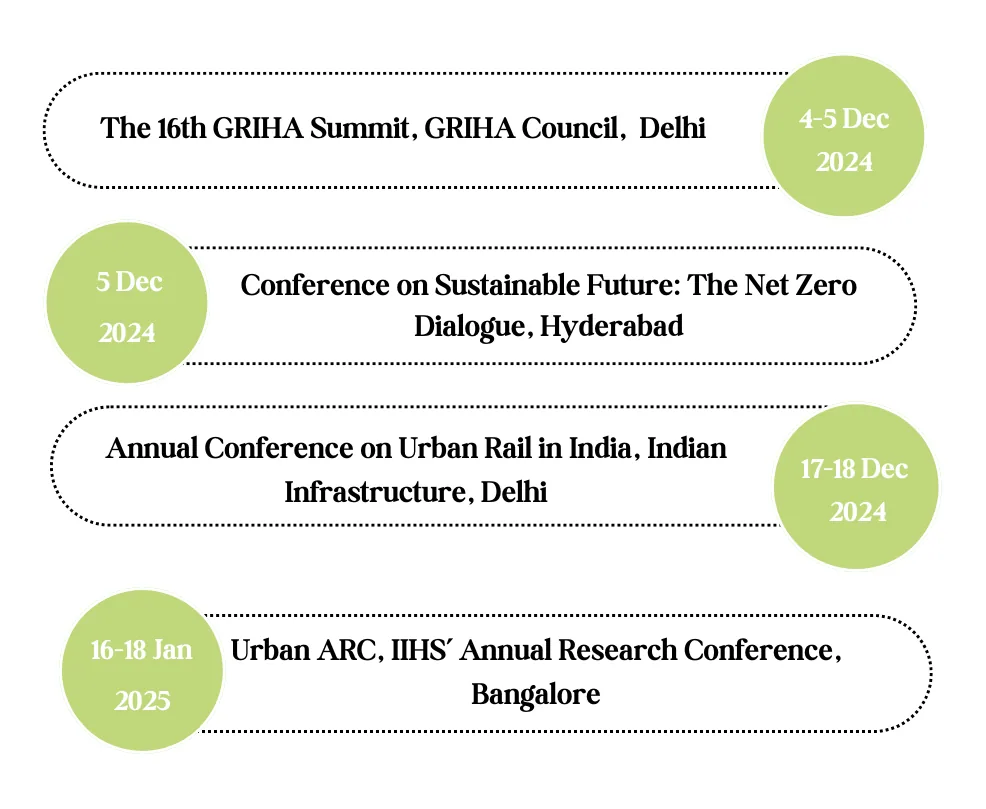
Calendar of Upcoming Events
Read or share the original edition
This edition was sent to U-CAN subscribers in November 2024. Download the PDF, or subscribe to get the next one in your inbox.