May brought the first rains, and a big moment for U-CAN.
May 2025
Editor's Note
May brought the first rains, and a big moment for U-CAN. Earlier this month, we met with our members in person in Goa for our first Steering Committee meeting of 2025. More than just a catch-up, it was a space to connect, communicate, and collaborate - three anchors that are shaping how we move forward as a collective.
This gathering also came at a critical halfway point in our Fellowship journey. It gave members a chance to reflect on the value the program is generating, not just in terms of knowledge and capacity, but also in building relationships across the ecosystem. We asked the hard questions:
What does it really mean to put Tier II and III cities front and centre, not as smaller versions of metros, but as places with their own stories, challenges, and possibilities? How do we design structures that fosters real collaboration and sparks creativity? And how do we hold space for many voices yet maintain the amorphous nature of our network?
While we still figure it out, the signs are encouraging - the room was full of conversations, care, and commitment. This is especially important now, as we begin planning for U-CAN’s first annual forum in August and the work of building a common narrative for Tier II and III cities.
Below, you’ll find a snapshot of the conversations and the energy that made this gathering special.
Meanwhile, our U-CAN Fellows are out there writing fresh reflections from the ground, sharing what they’re learning as they work with partner organisations. These blogs offer a window into the realities of urban practitioners navigating complex city systems, and how their stories can sharpen our collective thinking.
As always, we’d love to hear what resonates with you, what you’re seeing in your own work, and how we can keep building this space together.
Siddharth Pandit
CEO, Urban Collective Action Network · On behalf of U-CAN
State of our Cities
Inequities in urban health: A growing crisis
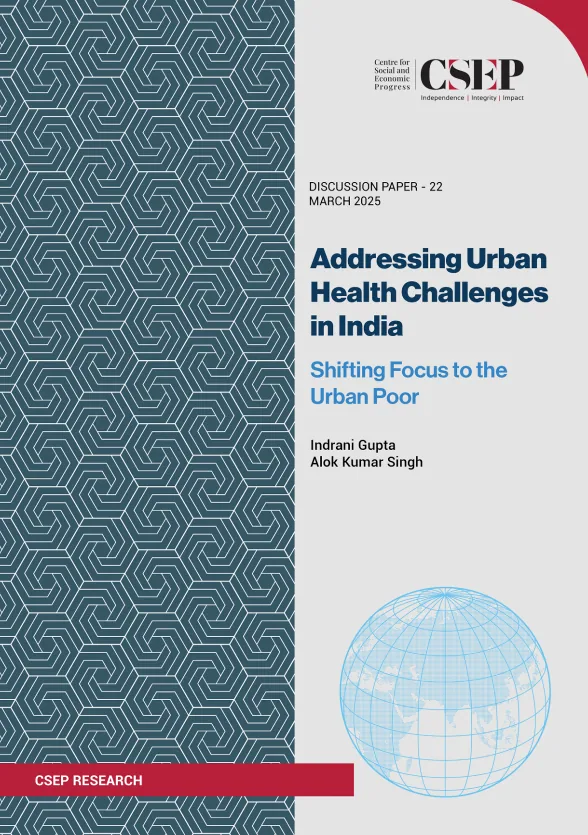
A recent study by the Centre for Social and Economic Progress (CSEP) reveals widening health disparities in India’s urban areas - particularly affecting the urban poor. Despite improved national health indicators, the urban poor face significantly worse outcomes compared to both rural populations and the urban non-poor.
Drawing on data from the National Sample Survey (NSS), National Family Health Survey (NFHS), Longitudinal Ageing Study in India (LASI), and government health statistics, the study finds that urban health outcomes are increasingly shaped by structural determinants, such as inadequate housing, poor sanitation, and limited access to essential public services. Despite higher aggregate availability of health infrastructure in cities, intra-urban inequities persist, with the urban poor often relying on costly private care due to the uneven distribution and perceived quality gaps in public facilities. Finally, initiatives like the National Urban Health Mission (NUHM) have struggled due to underfunding and fragmented governance.
The report calls for urgent reforms, including better NUHM implementation, increased funding, and a unified urban health governance body, to prevent deepening disparities and ensure equitable health access for all urban residents.
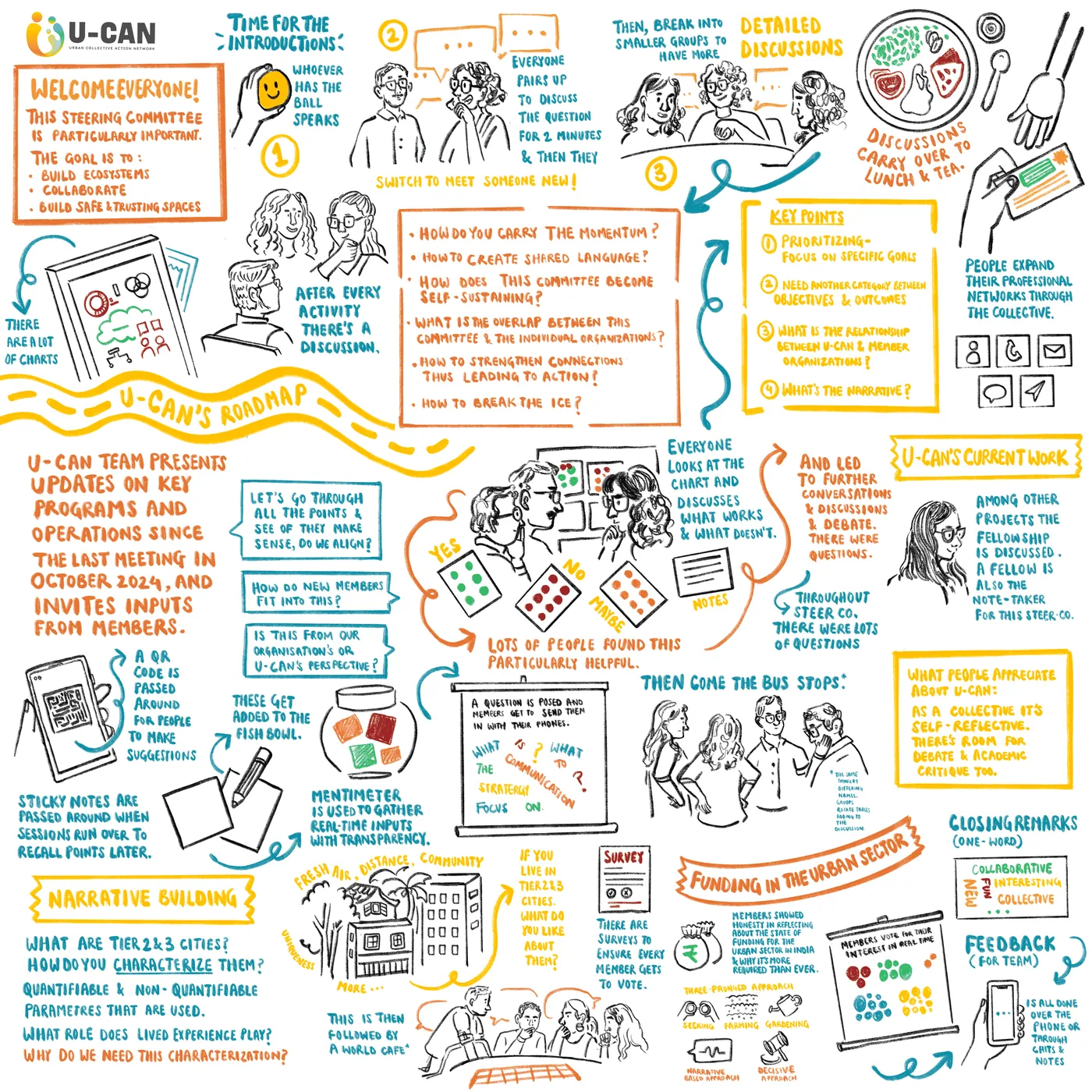
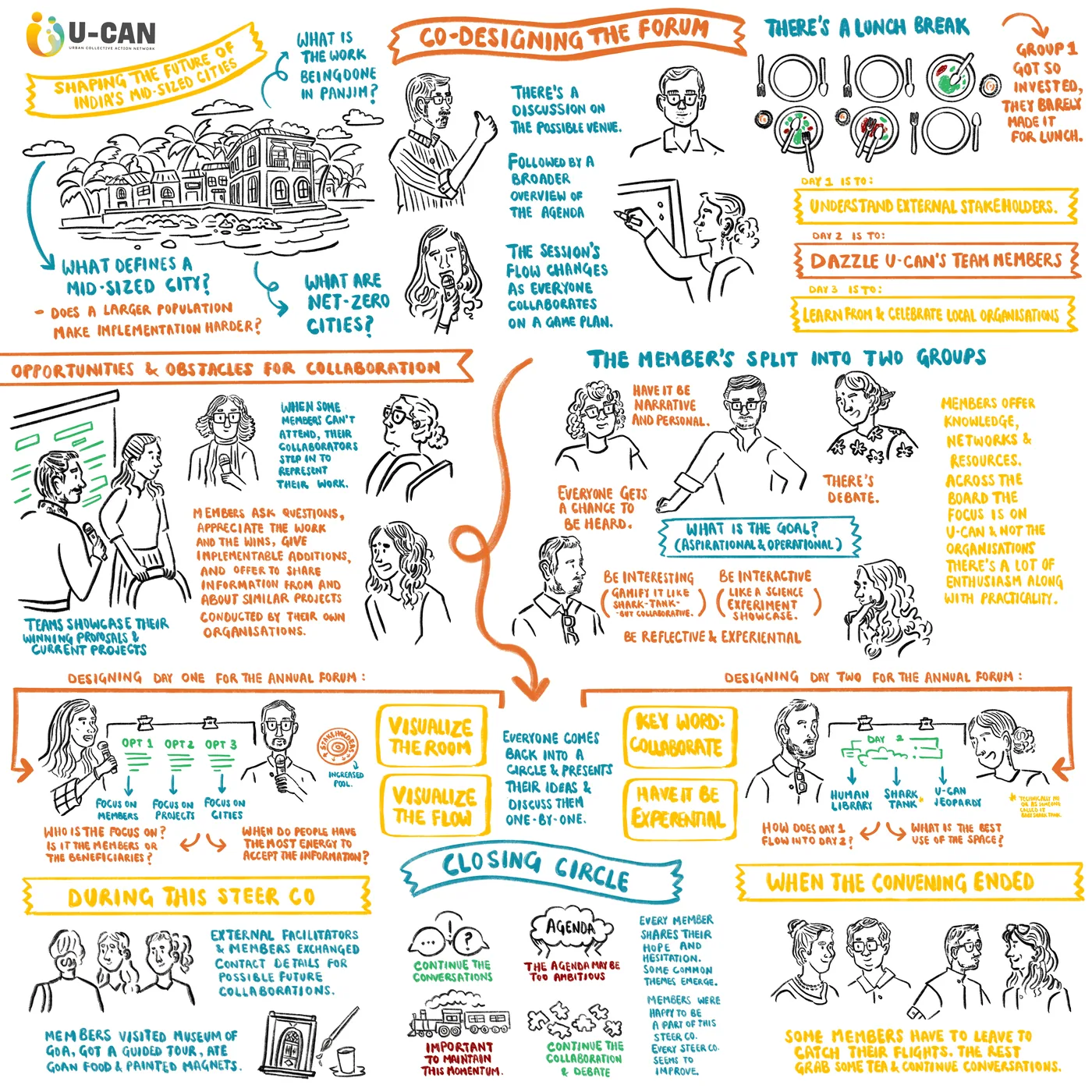
Earlier this month, U-CAN’s Steering Committee gathered in Goa for a milestone in our collective journey - our first in-person meeting of 2025. Over two days, we engaged in focused discussions that moved beyond routine updates to tackle fundamental questions about collaboration and collective action.
The sessions challenged us to rethink what it takes to build meaningful partnerships across cities, especially India’s Tier II and III urban centers. How can we foster environments that encourage experimentation, mutual support, and care, rather than just coordination? What would it look like to centre these cities on their own terms and priorities?
Through a mix of facilitated conversations, group reflections, and creative exercises, members surfaced both big-picture aspirations and practical challenges. We revisited U-CAN’s shared vision, examined current initiatives, and laid groundwork for the next phase of our collective work.
A key focus was planning for U-CAN’s first annual forum and shaping a narrative for tier II and III cities in India that can guide our efforts. The meeting ended on a note of optimism and commitment, with participants energized by new ideas and strengthened connections. Alongside this momentum, we also took time to celebrate the creative spirit of the group - hand-painted magnets were a small but meaningful reminder of the care and collaboration we aim to cultivate moving forward.
Member Highlights
WRI India rethinks cities through the eyes of women caregivers
On Mother’s Day (May 11), WRI India reminded us that caregiving is a full-time, year-round responsibility - especially for women who often navigate cities not designed with their needs in mind.
In a recent blog, Madhura Kulkarni and Chaitali Patil explore how caregiving burdens impact women’s well-being and workforce participation—and why caregiver-friendly urban design is essential for building inclusive, equitable cities.
Through the #NurturingNeighbourhoods initiative, WRI India is working with cities to make this vision a reality.
Civic Services in Mumbai: What Praja’s 2025 Report Reveals
Praja Foundation’s latest annual report, The Status of Civic Issues in Mumbai, offers a sobering assessment of the city’s core public services. Despite Mumbai’s sizable municipal budget, systemic shortfalls persist—especially for slum communities and the urban poor. Here are some key takeaways:
Water: A 15% shortfall in daily supply; only 8% of residents have 24/7 access. Slum communities are hit hardest.
Sewage: Most sewage treatment plants fail to meet pollution norms. The Mithi River remains dangerously contaminated.
Toilets: Just 1 public seat per 1,820 women—many lack access to basic water and power.
Waste: The city generated 6,656 MTD of waste in 2024, a 4% increase since 2022.
Compliance: 64% of bulk waste generators are not treating wet waste on-site.
Costs: Waste transport and processing cost the city ₹1,485 crore in 2024.
Landfills: Biomining at Mulund landfill is behind schedule, with a June 2025 deadline looming.
Air Quality: Slight gains—2024 saw four “moderate” AQI months, compared to six in 2023.
Citizen Complaints: Over 1.15 lakh grievances filed in 2024—primarily around waste, water, and toilets.
Staffing Gaps: 41% of BMC posts remain vacant—highest in Education (59%), Stormwater Drains (57%), and Roads (54%).
Praja’s findings underscore an urgent need to prioritize infrastructure upgrades, ensure equitable access to services, and address chronic staffing shortages across departments.
Jodhpur gets cooler with Mahila Housing Trust's climate-responsive pilot.
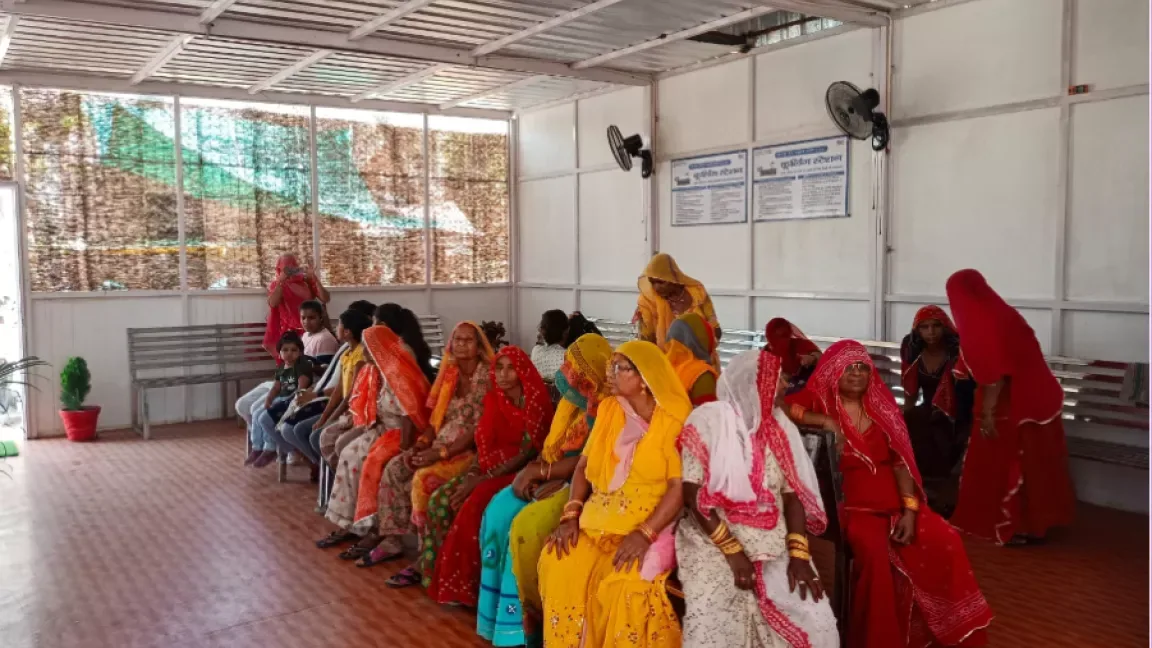
Mahila Housing Trust (MHT) recently piloted India’s first Net-Zero Cooling Station in Jodhpur, as part of the city’s Heat Action Plan. The station is designed to offer accessible, energy- efficient heat relief in dense urban neighbourhoods, and is gaining recognition as a promising approach to urban heat resilience.
This pilot is now informing the development of national Cooling Station Guidelines, being shaped by National Disaster Management Authority (NDMA), the Coalition for Disaster Resilient Infrastructure (CDRI), the Natural Resources Defense Council (lNRDC), India, the Centre for Advanced Research in Building Science and Energy (CARBSE), and others. These guidelines are expected to support similar efforts across India and in other Least Developed Countries facing rising heat stress.
Rooted in MHT’s long-standing work on climate resilience in informal settlements, the initiative highlights how targeted, place-based interventions can help cities adapt to extreme heat.
Shelter Associates Turns 30!
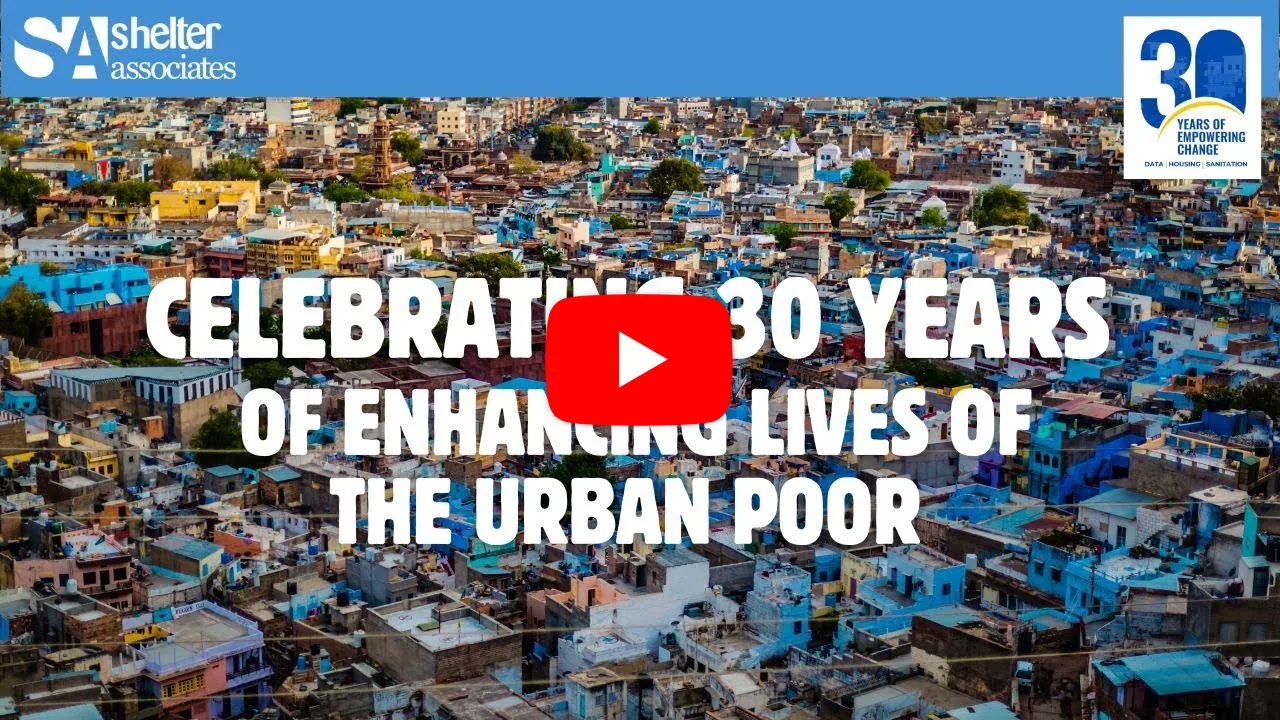
Shelter Associates celebrates 30 years of empowering urban poor communities through data- driven, community-led solutions. From pioneering GIS-based slum mapping and providing digital addresses to 100,000+ households, to improving hygiene for over 200,000 people through the One Home One Toilet model, their work has consistently advanced dignity, inclusion, and public health.
Their approach, grounded in participatory housing design and evidence-based planning, has helped families access secure housing, shaped national policy, and fostered long-term change.
A remarkable milestone for an organisation reimagining urban development, one community at a time.
What does it take to build cities that are climate-resilient and inclusive? That’s the question U-CAN Fellows explored in the first session of a three-part masterclass with Campaign for ROOH - a global initiative advancing community-led housing and public spaces.
Two inspiring voices led the session:
Sheela Patel (Founder, SPARC; Co-founder, SDI; currently with ROOH under the UN’s Race to Resilience) challenged prevailing narratives on informal settlements. Her message: These communities are not the problem; they are the solution.
Fellows reflected on climate vulnerabilities in their cities, and the urgent need for community-led resilience strategies rooted in lived experience.
Dr. Eleni (Lenio) Myrivili (Global Chief Heat Officer, UN-Habitat) spotlighted urban heat as a growing and unequal threat. Her reminder: “The story of heat is the story of inequality.”
Fellows discussed how design, infrastructure, and policy can mitigate heat stress - specially for the most vulnerable.
City, Self, and Systems: Reflections from the Fellowship
This month, we bring you more blogs from the Fellows — reflections that connect the personal with the political, the local with the systemic.
In A City I Knew, A Crisis I See, Sharathppriyaa Venkatesan reflects on Bengaluru’s changing climate and how it reveals deeper challenges in urban governance.
In Towards a More Democratic City, Aanchal Aggarwal shares insights from Jammu on why community participation is vital for city planning and inclusive governance.
In Between Heritage and Hangouts, U-CAN Fellow Aashima Arora explores how young people in Jaipur navigate the city’s historic charm amid a lack of safe, inclusive public spaces.
In Addressing Women’s Safety Challenges in Gurugram, Anwesha Bhattacharya examines rising gender-based safety issues and the need to challenge social norms alongside improving infrastructure.
That’s the percentage of India’s urban wastewater that is treated - meaning a huge 72% remains untreated and flows directly into rivers, lakes, and land.
A report from the Centre for Science and Environment (CSE), Waste to Worth: Managing India’s urban water crisis through wastewater reuse, highlights this critical gap and the urgent opportunity it presents. With increasing water scarcity driven by rapid urbanisation, industrial growth, population pressure, and climate change, treating and reusing wastewater is key to creating a sustainable, circular water economy.
The Ministry of Jal Shakti has mandated that cities recycle and reuse at least 20% of the water they consume. Some states and cities are leading by example: Maharashtra requires industries to use treated wastewater; Gujarat aims for 100% reuse in agriculture and industry; Tamil Nadu promotes reuse for urban greening and industry. Cities such as Nagpur, Bengaluru, and Chennai have implemented innovative wastewater reuse projects, reducing freshwater demand in power generation, agriculture, and groundwater recharge.
Despite this progress, challenges like infrastructure gaps, water quality assurance, cultural resistance, and treatment costs continue to slow scale-up. The report calls for better policy alignment, investment in decentralised treatment technologies, public-private partnerships, and capacity building among urban officials and communities.
What should a city built for working women look like?
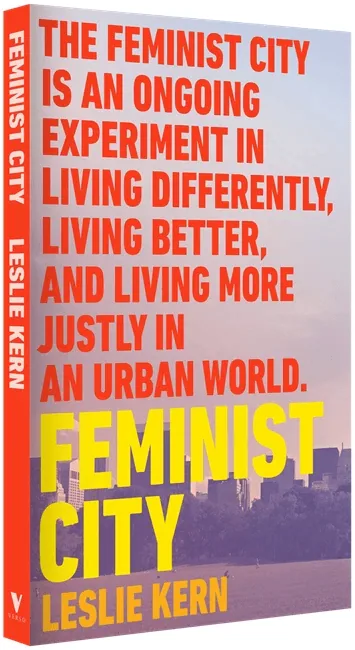
In Feminist City: Claiming Space in the Man- Made World, geographer Leslie Kern challenges us to rethink how urban spaces are designed - and for whom.
She paints a picture of a city where public transit supports caregivers on the move, streets are safe to walk at all hours, toilets, green spaces, and care infrastructure are priorities - not afterthoughts - and many more!
Blending history, lived experience, and cultural critique, Kern exposes how gendered inequalities are built into our cities - and offers a vision for more just, inclusive, and care-full urban futures.
Read or share the original edition
This edition was sent to U-CAN subscribers in May 2025. Download the PDF, or subscribe to get the next one in your inbox.
We use only essential cookies to make this site work. With your consent we would also measure anonymous usage to improve it. You can change this at any time from “Manage cookies” in the footer.