
U-CAN Newsletter
In the first newsletter of 2025, we told you about our plan for the year with our Request for Collaboration, U-CAN’s Small Grants Initiative, as a key priority.
March 2025
Editor's Note
In the first newsletter of 2025, we told you about our plan for the year with our Request for Collaboration, U-CAN’s Small Grants Initiative, as a key priority. The idea behind this initiative is to enable collaboration between our member organisations, and in keeping with that spirit, we designed it with collaboration at its core – incorporating member feedback at several stages. We launched the initiative as planned in February and are now at an advanced stage of selection, with our expert jury reviewing proposals for the grant. We will share more updates in next month's newsletter.
Our fellowship program is progressing well as we approach the half-year mark. A key component is the professional development of our fellows. As with our other programs, we spoke to the fellows in the initial weeks to understand the skills and knowledge they require to grow as leaders in the urban sector. Keeping their inputs in mind, we introduced fortnightly sessions in two formats:
- Masterclasses by external experts on engaging topics such as workplace storytelling, urban governance structures, and critical thinking. More sessions are in the pipeline, including potential ones led by our member organisations.
- Peer-to-peer learning sessions where fellows exchange experiences, best practices, and diverse perspectives in a collaborative environment.
These sessions have been highly engaging and well-received by our fellows, enriching their experience. We'd love to hear if you have any ideas on sessions that we could potentially hold for our fellows!

Siddharth Pandit
CEO, Urban Collective Action Network · On behalf of U-CAN
State of our Cities
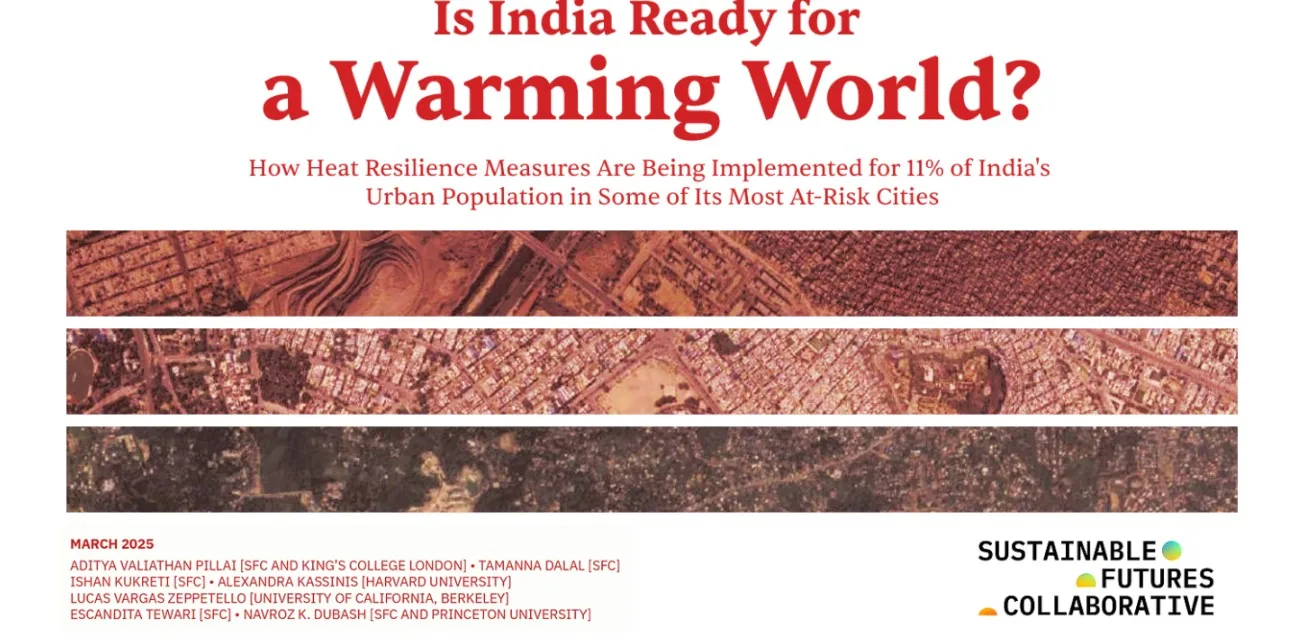
A new study by the Sustainable Futures Collaborative assessed the implementation of extreme heat policies and actions across multiple cities in India, the first in a multi-part series. They conducted 88 interviews with city, district, and state government officials from disaster management, health, city planning, and labour departments, who are implementing heat actions in the selected nine cities. These cities were chosen for their high vulnerability to rising extreme heat events.
The report highlights that short-term actions such as providing drinking water, changing work schedules, and boosting hospital capacity before or during a heat wave, are driven by emergency directives from higher levels of government. However, city-level Heat Action Plans, which are meant to be long-term strategies, often have a weaker effect on policy due to weak institutionalisation.
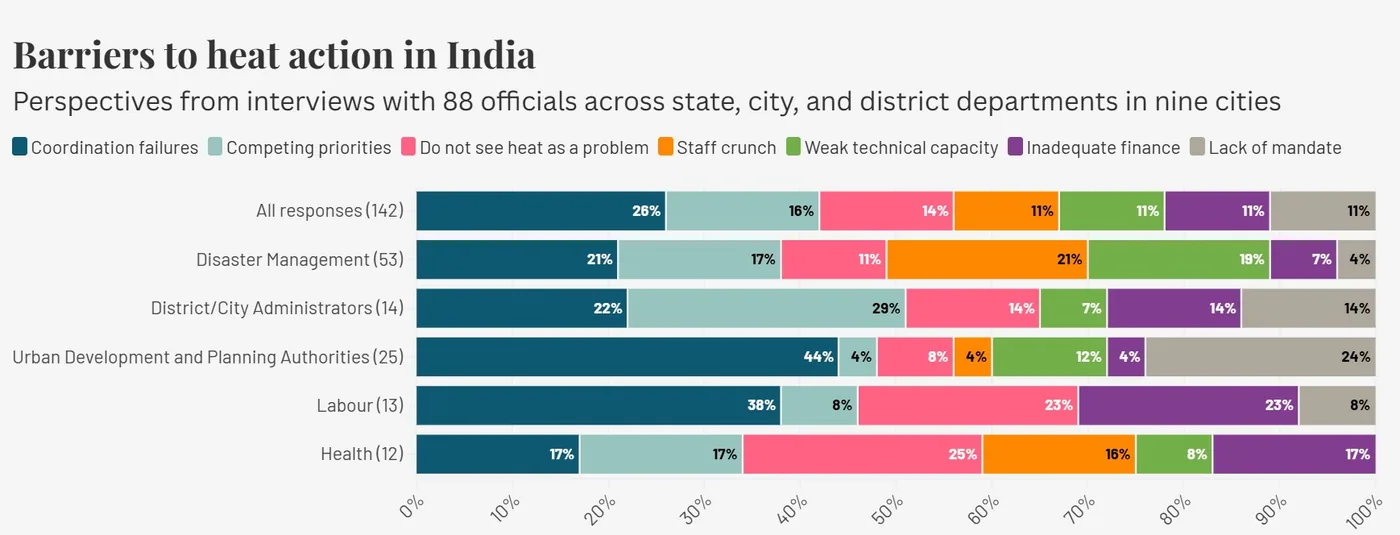
The report also compiled responses based on the interviews to highlight the barriers to heat action in our cities. It concludes with recommendations focusing on capacity building, institutional support, and technology-driven solutions.
Member Highlight
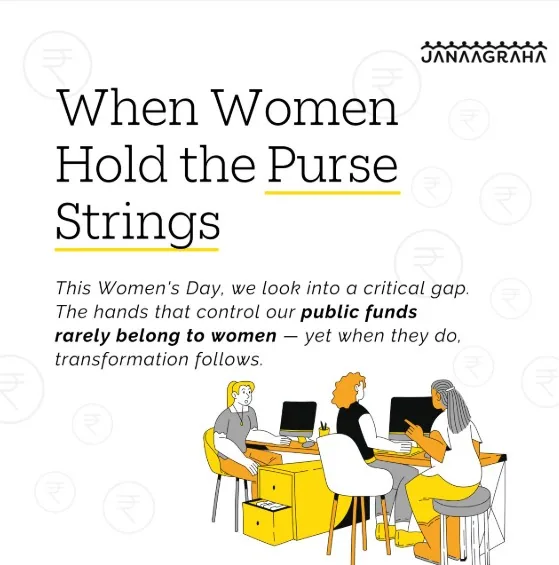
Breaking Barriers in Public Finance
On Women's Day, Janaagraha highlighted a
critical gap: women hold less than 30% of
leadership positions in public finance, despite evidence showing that their leadership significantly improves accountability, service quality, and citizen trust. Look at their LinkedIn for more details.
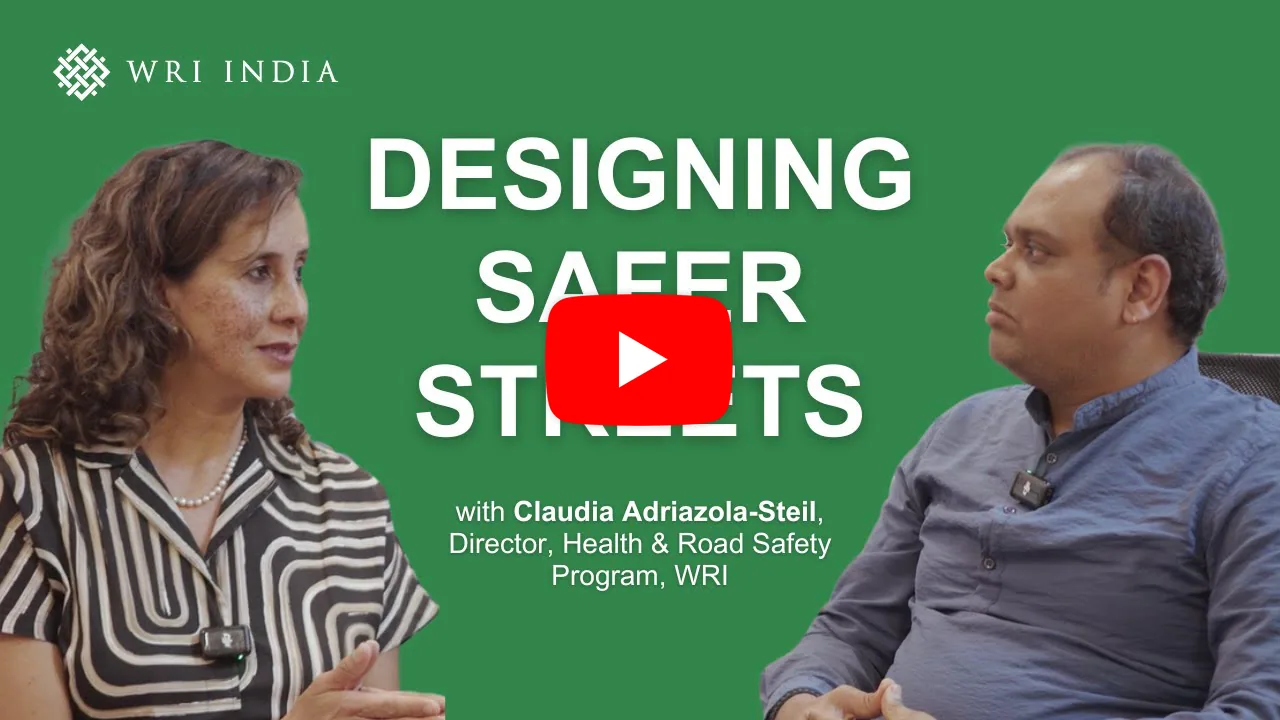
Designing Safer, More Sustainable Streets
In a thought-provoking discussion hosted by WRI India, experts shared insights on how cities across the world, including India, are improving road safety through thoughtful design, policy, and community engagement. Learn from global case studies and urban leaders making a difference!
Metro Metrics!
That’s the projected size of India’s gig workforce by 2030, according to a report by the International Labour Organisation (ILO).
Library
In this section, we bring you our recommendations of books or movies every month!
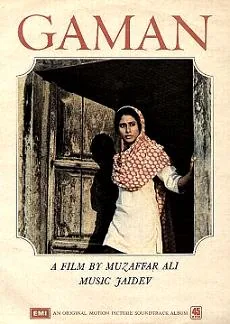
Muzaffar Ali’s Gaman is a poignant tale of migration, longing, and survival in an unforgiving metropolis. The film follows Ghulam (Farooq Shaikh), a young man who leaves his village for Mumbai in search of a better life, only to find himself lost in its relentless pace.
Mumbai is more than a backdrop—it’s an imposing presence. Its crowded streets, local trains, and distant city lights echo the protagonist’s solitude and unfulfilled dreams. With haunting ghazals like Seene Mein Jalan and Aap Ki Yaad Aati Rahi, Gaman is a lyrical, melancholic ode to urban migrants.
A must-watch for lovers of urban realism!
Read or share the original edition
This edition was sent to U-CAN subscribers in March 2025. Download the PDF, or subscribe to get the next one in your inbox.