
U-CAN Newsletter
In mid-2024, we began thinking about ways to put out our way of thinking at U-CAN and our member organisations, about how we see cities, the challenges they face and the solutions…
February 2025
Editor's Note
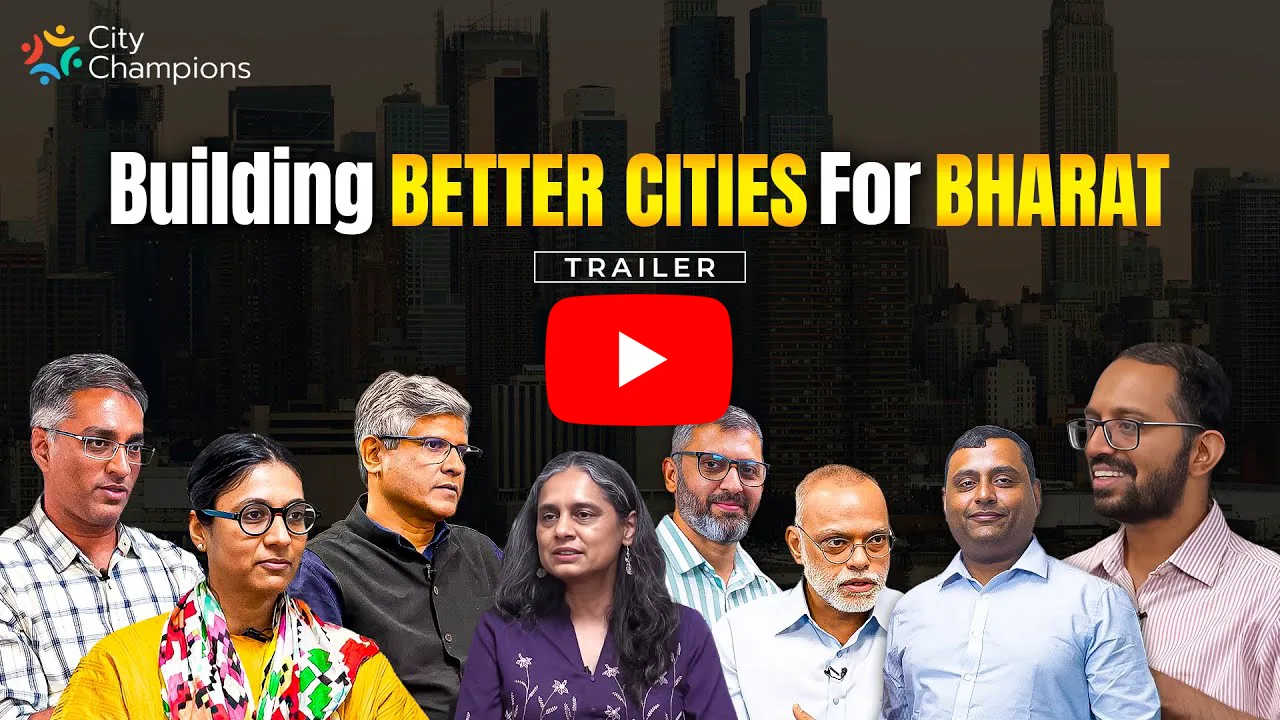
In mid-2024, we began thinking about ways to put out our way of thinking at U-CAN and our member organisations, about how we see cities, the challenges they face and the solutions we are collectively working on. One of the challenges in doing so was to reach an audience which is not already part of the urban ecosystem - students, young professionals, social innovators and partnership with Josh Talks, with whom U-CAN has created a four-part series of podcasts which were released this month.
The focus of the podcast series is to build a narrative of urban India by breaking down complex urban challenges to a younger audience, with the aim of driving citizen engagement through increased awareness of urban challenges and solutions. To this end, the series features prominent voices and experts in the urban sector, who talk about their journeys, and a variety of urban challenges our cities face today.
The first episode has Milind and Shruti talking about how urban challenges are a symptom of a larger problem of lack of planning and vision for our cities, and these can be addressed through evidence-based decision-making, being active citizens ourselves, and to understand the intersectionality of urban challenges. In episode two, I'm joined by Gautham where we talk about how growing up in cities have shaped our thought process, looking at cities as complex systems, and fundamentally changing how cities are planned and urban challenges are approached. In the next episode, Shilpa and Krishnan talk about the different roles played by different kinds of capital in urban problem solving, inclusive and participatory urban governance, and budgeting at the local government level. In the final episode (due to be released this weekend), Jagan and Anuj share their stories on why they work in the urban sector, the role of philanthropy in this space, and their ideas on getting more young people involved in our cities.
Each of these conversations have been carefully designed to bring out the expertise of the guests in a way such that it appeals to the audience, and we'd love to hear what you thought about the podcast series!

Siddharth Pandit
CEO, Urban Collective Action Network · On behalf of U-CAN
State of our Cities
The annual budget was presented by the Government of India earlier this month. As always, it created a lot of buzz around how the government is allocating resources. Praja Foundation put out a summary of what the budget has in store for our cities across sectors and decoding allocations for various initiatives, while Janaagraha has a detailed analysis of allocations for the urban sector.
Apart from the summary, our members have also written about the budget in the media. Click on the images below to read more from Madhav Pai, WRI, and Niranjan Rajadhyaksha, Artha Global.
Member Highlight
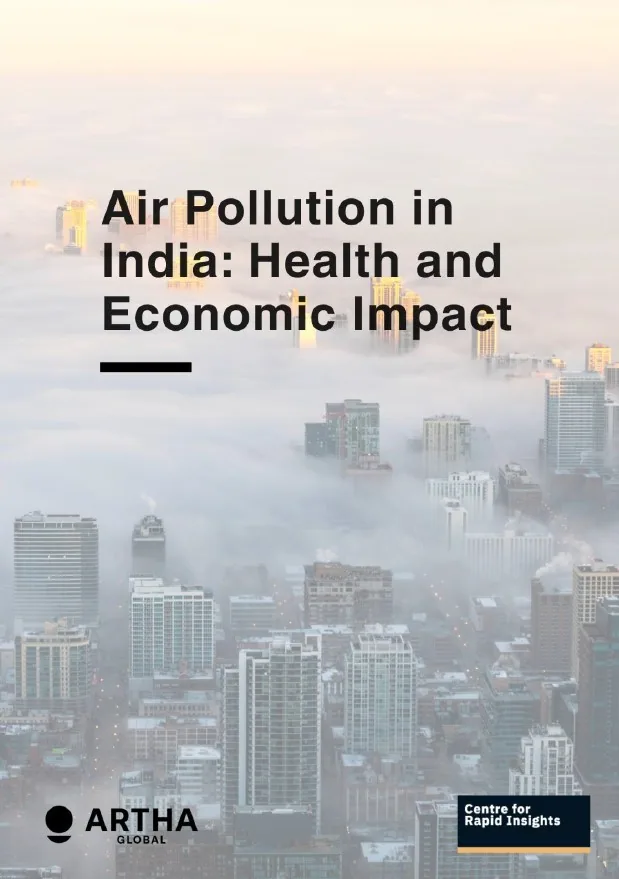
Artha Global launched its report 'Air Pollution in India: Health and Economic Impact' recently, which found that 56% of respondents or their family members suffered from pollution-induced respiratory
illnesses while 70% missed at least one day of work or school. Read
more about the report and the recommendations here.

WRI, in partnership with the Bruhat Bengaluru Mahanagara Palike,
held a three day exhibition-convening 'Namma Raste' centred around
mobility in Bangalore. The event brought together citizens from all walks of life, including government and civil society organizations, researchers, innovators and students.
Metro Metrics!
As many as 43% of Indian urban households own a bicycle and rely on it for their everyday transit, while only about 13.8% households own cars. This number is higher at 54.2% households owning bicycles and just 4.4% households owning cars in rural areas. This is data from the National Family Health Survey-5, showing that while urban Indians like us see cycling as a form of exercise, it
remains as the most used form of transport by a majority of Indians.
Library
In this section, we'll bring you our recommendations of books or movies every month!
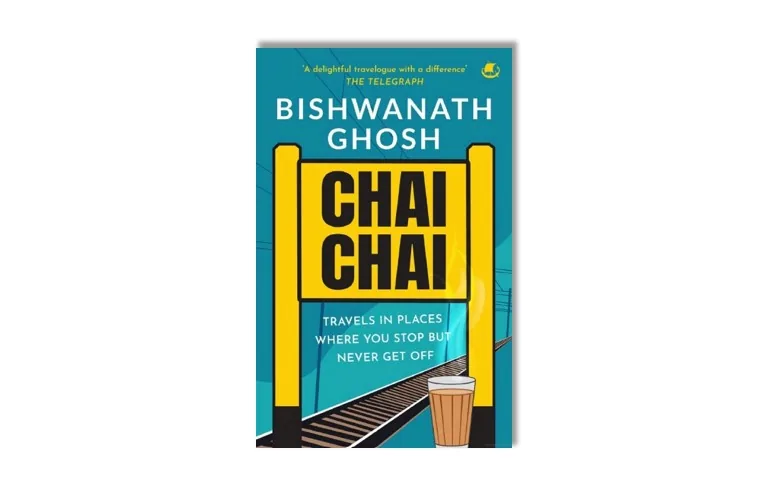
In Chai, Chai, Bishwanath Ghosh embarks on an unusual journey to explore India’s overlooked railway junction towns—places where trains pause, but passengers rarely disembark. From Mughal Sarai to Jolarpettai, these in-between spaces unfold as characters in their own right, brimming with untold stories, lingering nostalgia, and quiet charm. Through vivid observations and engaging storytelling, Ghosh reveals the hidden life of these transit towns, capturing their quirks, histories, and the people who call them home. A must-read for those who love discovering the soul of India beyond its bustling metros and tourist landmarks.
Read or share the original edition
This edition was sent to U-CAN subscribers in February 2025. Download the PDF, or subscribe to get the next one in your inbox.