Source: Putting quality of life at the heart of planning
From Groundwork to Possibility
Over the past several months, adolescents across Jaipur have been reimagining their public spaces. Using scaled maps, paper models, and shared stories, they have given shape to spaces that reflect their needs and aspirations. Whether it was the idea of a mirror corner for safety, a quiet zone for studying, or a vibrant mural that signals belonging, these young participants have shown us what a more inclusive city might look like.
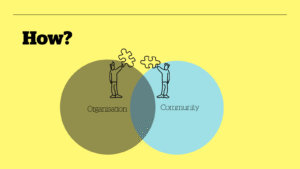
Now, as we move forward, the key question is: how do we ensure these ideas do not remain within the four walls of a workshop? How can they be brought into conversations with decision-makers and city systems?
Why This Step Matters
Adolescents are among the most frequent users of public space, yet their voices are rarely included in planning processes. Over the past months, they have not only participated but led the way in identifying barriers and imagining solutions. If these ideas are to have lasting impact, they must find space in the institutional channels where change is made possible.
This next phase is not just about execution. It is about visibility, legitimacy, and continuity. It is about making sure these ideas are not seen as temporary engagement exercises, but as genuine contributions to how the city is planned and shaped.
Ways Forward: Taking Ideas to the City
As we prepare to transition into this new phase, several possibilities are emerging on how to carry adolescent voices into institutional spaces.
1. Create Youth Design Displays in Public and Civic Spaces
Rather than formal reports, the ideas emerging from co-design sessions can be translated into visual formats that are accessible, expressive, and easily understood. These could be exhibited in:
- Community halls or ward offices
- Libraries or government schools
- Temporary installations in parks or local markets
By creating opportunities for the broader public, officials, and local stakeholders to engage with these displays, we allow the conversation to continue beyond a closed workshop setting.
2. Facilitate Direct Dialogues Between Youth and Local Officials
Many young participants have expressed a willingness to speak about their ideas if given the platform. Creating spaces for them to present their concepts to ward councillors, municipal staff, or members of local NGOs could open up important pathways for collaboration. These could be in the form of:
- Informal roundtables hosted in community spaces
- Open house sessions where youth-led design boards are discussed
- Joint neighbourhood walks with adolescents and local leaders
These small but meaningful formats can shift how institutions perceive community input.
3. Translate Ideas Into Planning Language
For city officials to take these ideas seriously, they need to be framed in a manner that is practical and aligned with how urban systems operate. This may include:
- Estimating costs for smaller interventions such as seating, lighting, or colour-based upgrades
- Mapping design ideas onto existing ward plans or public land parcels
- Proposing maintenance models that involve local youth or community groups
Such translation work can bridge the gap between creative thinking and city implementation processes.
4. Build Local Support Networks Around Each Site
In each of the neighbourhoods, we have seen signs of community members who are willing to support youth-led efforts, whether it is a parent helping organise a safety walk, or a shopkeeper offering to display design boards. Strengthening these relationships could help sustain momentum by:
- Identifying local champions to follow up with authorities
- Forming small action groups of youth and adults for specific sites
- Creating feedback loops so communities can continue to guide the process
This kind of groundwork can help ensure long-term relevance and local ownership.
Carrying the Work Forward
Turning youth-led ideas into lasting change is rarely straightforward. It depends not just on strong proposals, but on relationships, persistence, and a willingness to reimagine how cities are shaped and by whom. Whether through public storytelling, informal dialogue, or community-driven pilots, there are multiple ways these ideas can begin to influence everyday planning decisions.
What matters most is the mindset, one that sees adolescents not as passive recipients of policy, but as active contributors to urban life. Change often begins not in boardrooms, but in moments of shared learning: a model built from scrap, a walk along a familiar street, or a sketch on a community map.
Final Thoughts
Design is never only about space. It is also about who feels seen, heard, and valued. The ideas that emerged from Jaipur’s adolescents reflect not only creativity, but a demand for fairness, safety, and visibility in the city they navigate every day.
To honour these contributions, they must find a place in the systems that shape urban development not just as inputs, but as guiding voices.
That shift is not a matter of method. It is a matter of will.