U-CAN Newsletter
- Collective reflection on the origin story of U-CAN - Presentation of proposed purpose of U-CAN by the CEO and member inputs - The fellowship proposal was presented to the group…
May 2024
Editor's Note
- Collective reflection on the origin story of U-CAN
- Presentation of proposed purpose of U-CAN by the CEO and member inputs
- The fellowship proposal was presented to the group and inputs were sought from members to sharpen the offering U-CAN Special Edition Newsletter May 2024
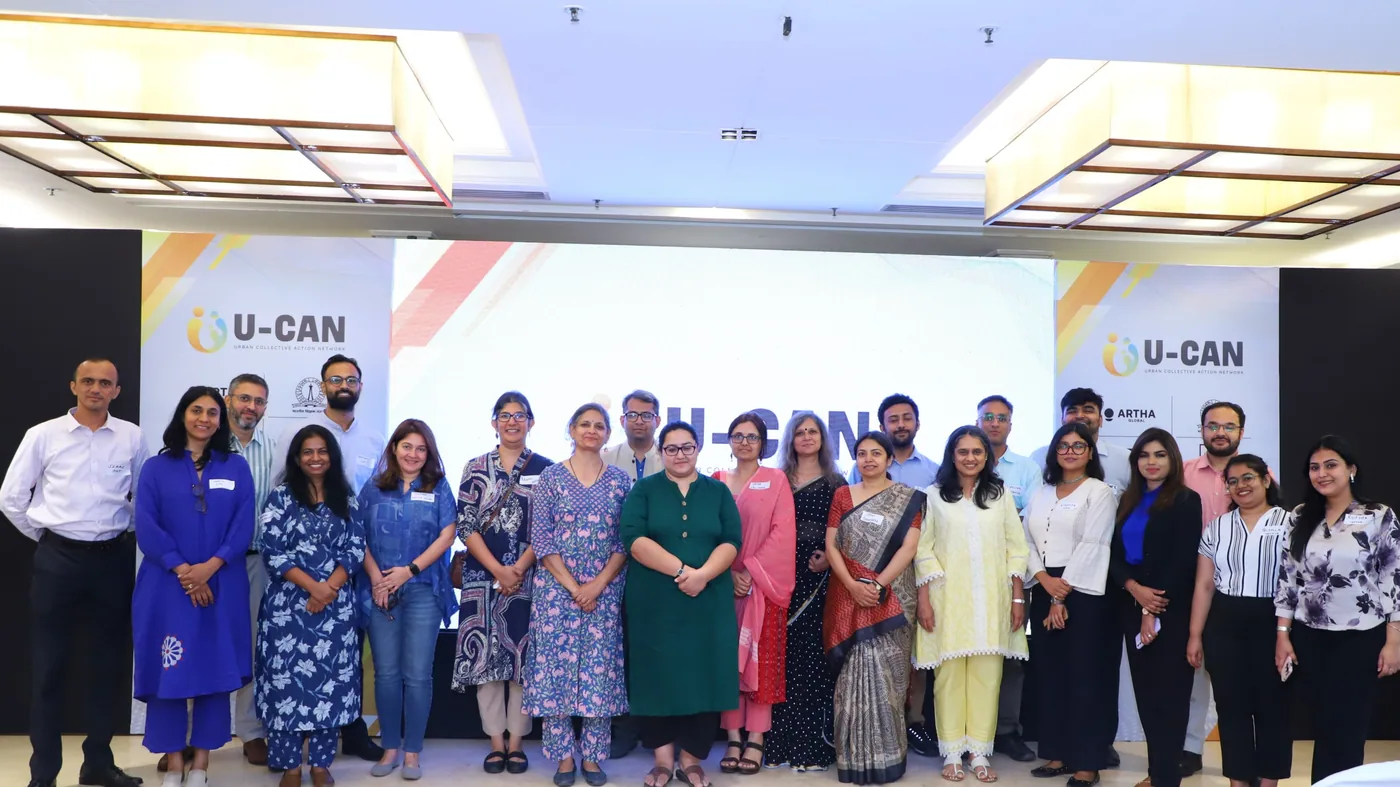
Urban Collective Action Network (U-CAN) Steering Committee Meeting
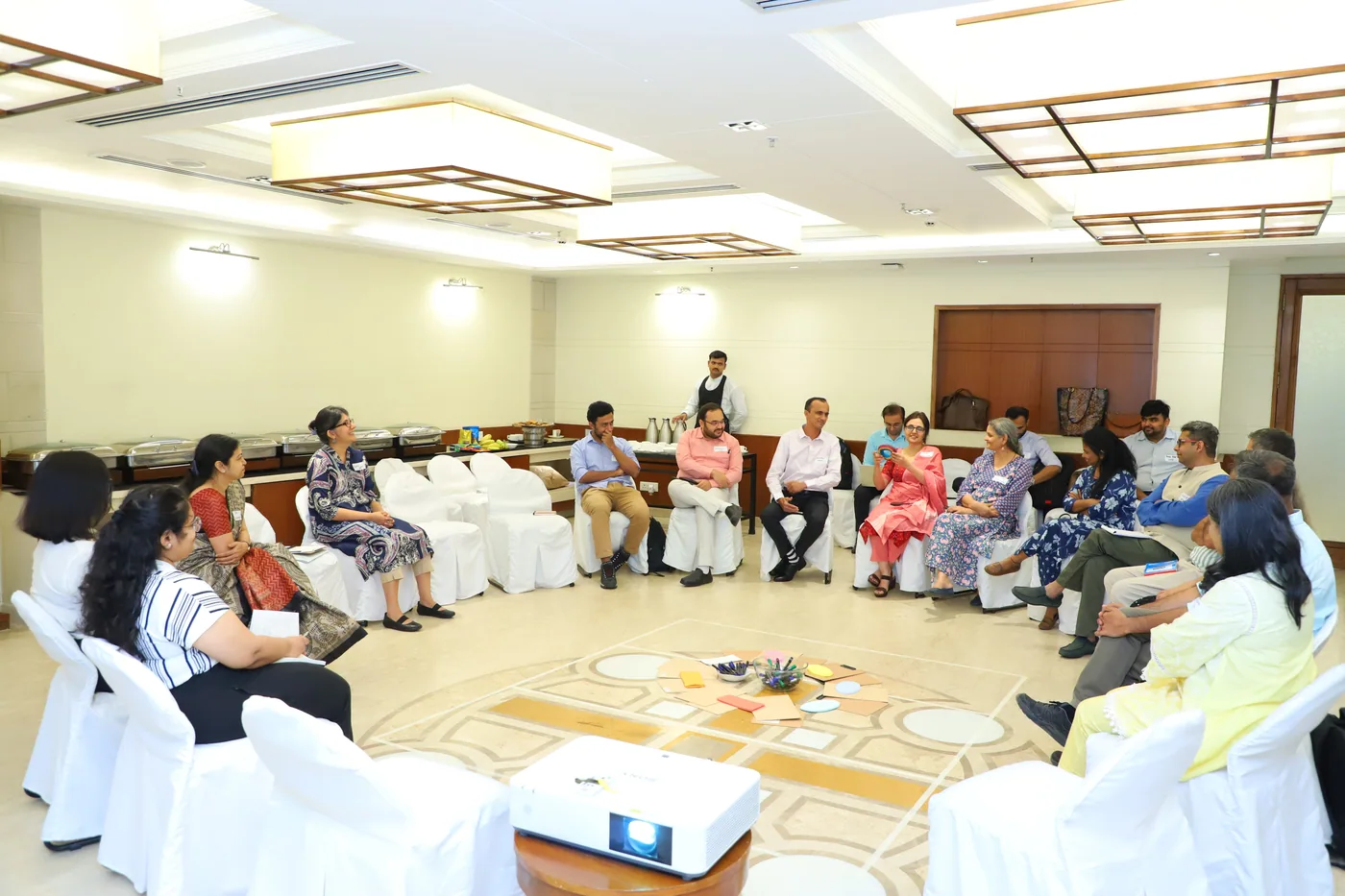
On 6th May, 2024 the Urban Collective Action Network (U-CAN) members convened for a steering committee meeting at India Habitat Centre, New Delhi with an aim to realign on the purpose and goals of the collective, working modalities and collaboration approaches. 9 out of 12 member organisations participated in the event, namely:
Artha Global C-40 Janaagraha Centre for Citizenship & Democracy Mahila Housing Trust Praja Foundation Reap Benefit Shelter Associates World Resources Institute India Omidyar Network India Manali Shah (Facilitator) Through the course of the meeting, the group discussed the following key
considerations for the Collective:
This was followed by:
Building Bridges: Fostering Urban Collective Engagement
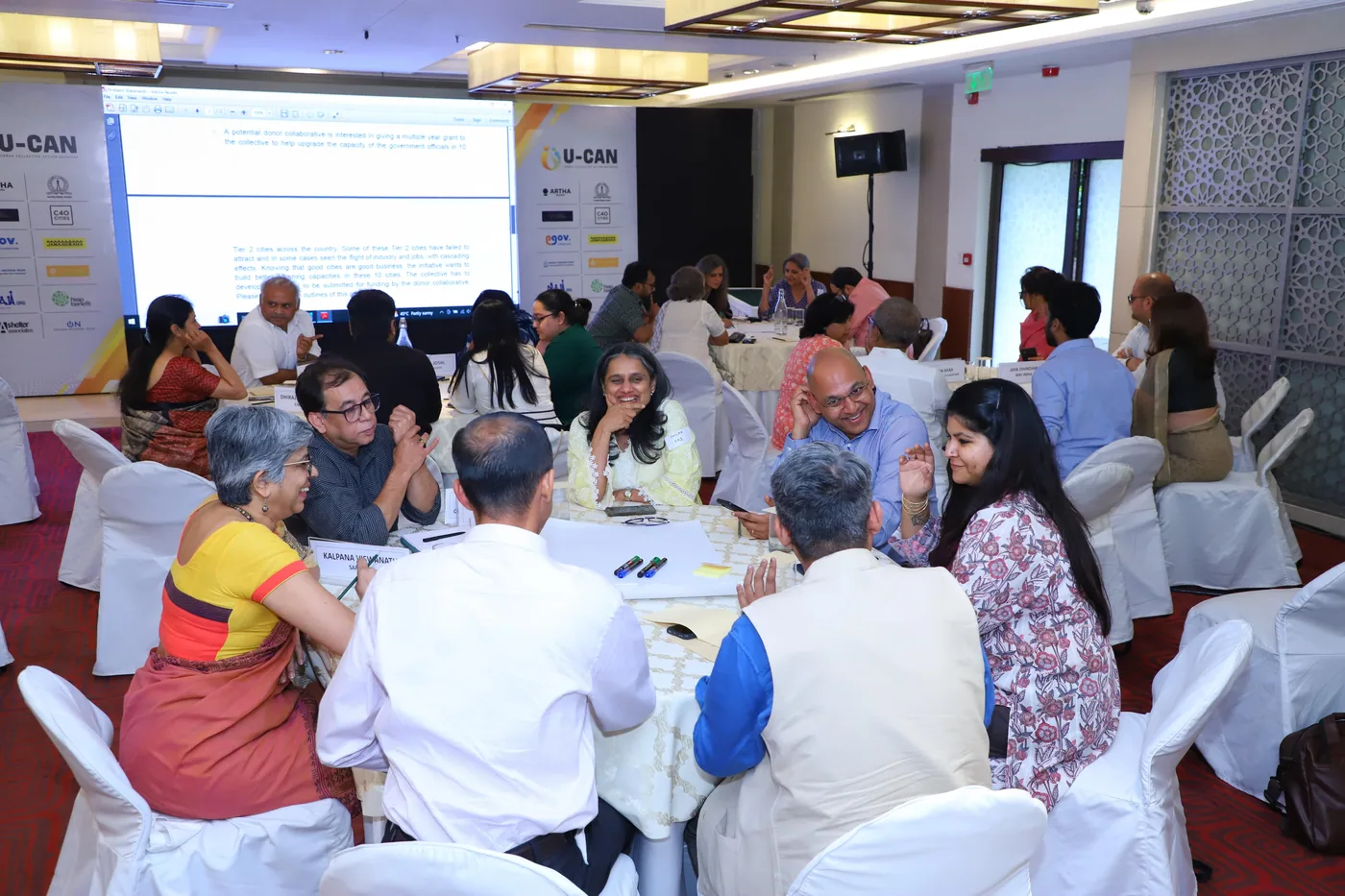
The external event drew the participation of distinguished guests representing a wide spectrum of stakeholders, including donors, multilateral organisations, renowned think tanks, and influential philanthropic foundations, all deeply engaged in the urban
Key suggestions include:
- Emphasizing the need to streamline U-CAN's focus, guests recommended narrowing down to 2-3 verticals within the urban domain. This strategic shift aims to cultivate a more agile and targeted approach, aligning with diverse perspectives and facilitating nimble fitted structure within the sector.
- Guests underscored the importance of prioritizing the first 3-4 projects undertaken by U-CAN. By concentrating efforts on initiatives that benefit all stakeholders in the ecosystem, U-CAN can garner greater support and funding, driving initiatives that catalyze participatory urbanization and foster inclusive development.
External Participants
sector. The session was structured with the following components, each with a unique purpose:
Interactive Introductory Q&A: The session kicked off with an engaging Q&A session designed to introduce the Collective and its members. Through interactive dialogue with the audience, participants delved into the vision and operational framework of the Collective. This segment provided a platform for guests to inquire about the Collective's mission and approach.
Group activity: Members and external stakeholders were engaged into a group exercise. They were divided into four groups and each group was presented with a unique problem statement spanning from local to national level urban issues which they were expected to resolve and thereby showcase the collective value of problem solving.
Garnering Actionable Feedback: Fostering connections and facilitating collective brainstorming among esteemed guests from the urban landscape. The objective was to glean actionable insights and suggestions aimed at enhancing U-CAN's efficacy as a catalyst for change.
Our Members
Do share your feedback and suggestions to us at ucanorgindia@gmail.com
Kindly circulate in your networks for wider reach

Read or share the original edition
This edition was sent to U-CAN subscribers in May 2024. Download the PDF, or subscribe to get the next one in your inbox.